
The Case for Group Fitness Classes
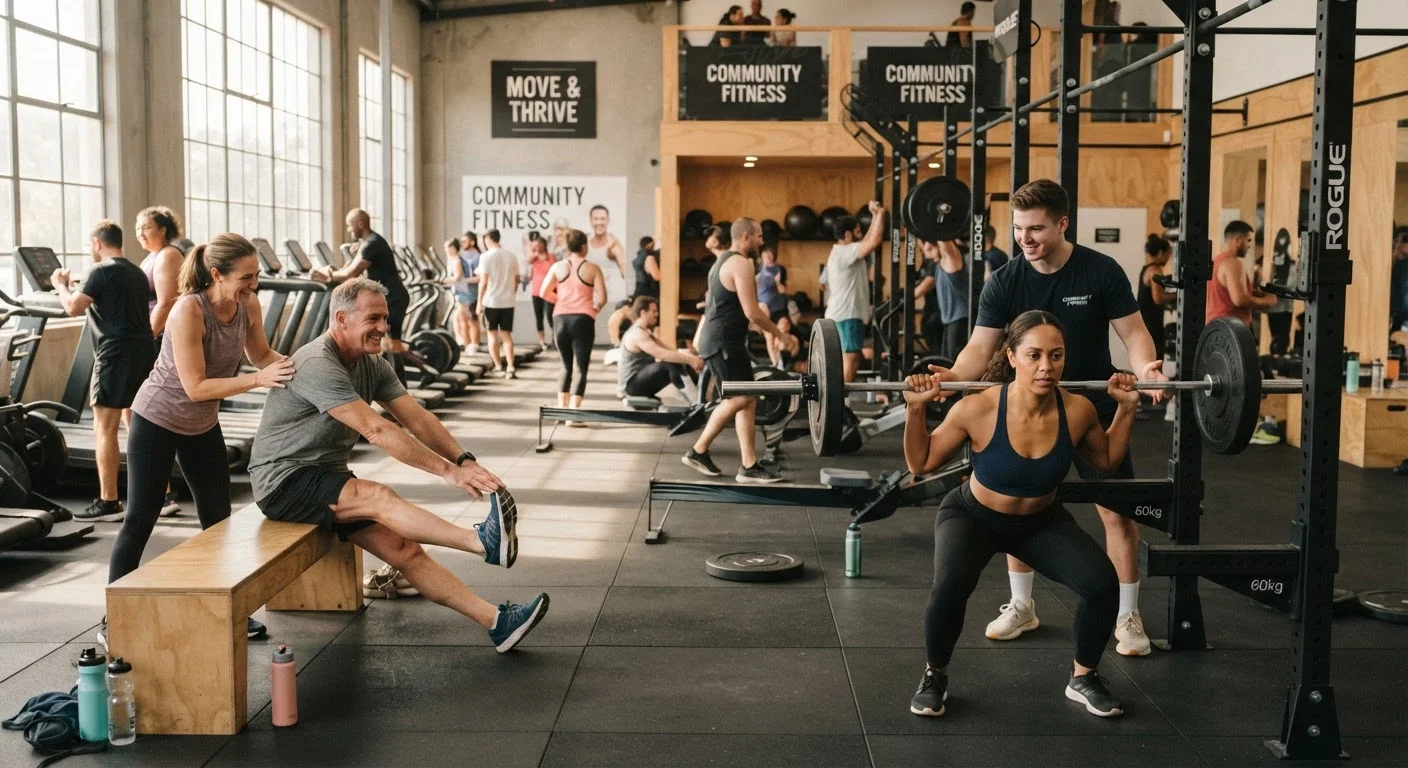
Group fitness classes - whether spin cycling, yoga, HIIT, or dance-based formats - leverage social dynamics in ways that solo workouts typically cannot replicate. Research published in the Journal of the American Osteopathic Association has found that group exercise participants reported lower stress and better quality of life scores compared to those who trained alone, suggesting psychological benefits beyond the physical workout itself.
The structure a class provides removes a common friction point: deciding what to do. An instructor curates the workout, monitors form, and adjusts intensity cues in real time. For beginners, this guided environment reduces the risk of poor technique and the intimidation that often accompanies learning new movements. It's also harder to cut a session short when a room full of people is pushing through the same challenge alongside you.
Accountability is perhaps the strongest argument for group training. Scheduled class times, familiar faces, and even pre-paid memberships all create psychological commitment. If consistency is your primary obstacle, that external structure can be genuinely valuable. Be sure to check our look at common fitness myths to separate fact from hype when evaluating what any format can realistically deliver.
Try Before You Commit
Most fitness studios and gyms offer trial classes or short-term passes before you purchase a membership. Taking advantage of these allows you to assess the instructor's style, the class intensity, and the social atmosphere without a significant financial commitment. A format that feels energizing rather than stressful is far more likely to become a lasting habit.
The Case for Solo Training
Training alone grants a level of customization that group classes structurally cannot offer. You choose the exercises, the load, the rest periods, and the timing - all calibrated to your current capacity and goals. This matters especially as fitness needs grow more specific: someone targeting strength for daily function after 40, for instance, requires programming that diverges significantly from a general group format. Our guide on strength training after 40 illustrates how individualized planning becomes more important with age and changing physiology.
Solo training also sidesteps the class schedule entirely. For people with irregular work hours, caregiving responsibilities, or limited transportation, the ability to exercise at 6 a.m. or 10 p.m. in a home gym removes a real barrier. If you're exploring that route, building a home workout routine without equipment offers a practical framework for getting started.
The trade-off is that solo training demands more self-direction. Without a coach or peers present, technique errors can go uncorrected, and motivation gaps become more likely during low-energy periods. Progress also relies on the individual's ability to program appropriately - a skill that takes time to develop.
| Group Fitness Classes | Solo Training | |
|---|---|---|
| Motivation & Accountability | High - peer energy and scheduled classes | Self-driven - requires internal discipline |
| Program Customization | Low - instructor sets the workout | High - fully tailored to individual needs |
| Schedule Flexibility | Low - fixed class times | High - train anytime, anywhere |
| Instruction & Form Feedback | Moderate - instructor guides the group | Limited unless working with a personal trainer |
| Social Connection | Strong - community atmosphere | Minimal - solitary experience |
| Cost | Variable - often higher for boutique studios | Lower - gym or home equipment only |
| Best for Beginners | Yes - structured and guided | Less so - requires self-education |
Practical Factors Worth Considering
Beyond motivation style, several practical variables should inform your choice:
- Cost: Group fitness memberships or drop-in class fees vary widely. Studio boutique classes often run significantly higher than standard gym memberships, though some community centers and apps offer affordable group formats.
- Injury history and special health conditions: If you're managing a chronic condition or recovering from injury, a standardized group class format may not accommodate your specific limitations safely. Individualized guidance from a qualified professional is especially important in these cases. Our overview of exercising with a chronic condition outlines key principles worth reviewing first.
- Exercise type: Some modalities - powerlifting, structured endurance training - are inherently better suited to individualized programming. Others, like cycling classes or circuit formats, translate naturally to group settings.
95%
Group exercise program completion rate
A study in the Journal of the American Osteopathic Association found group exercisers completed a 12-week program at a 95% rate, compared to 76% for solo exercisers.
26%
Reduction in stress levels
The same study noted group exercise participants reported a 26% reduction in perceived stress compared to those training alone.
Many exercisers find that a hybrid approach works well: group classes for high-energy cardio sessions where motivation matters most, and solo sessions for strength work that requires precise loading. Understanding the distinct physiological effects of different exercise types - covered in our cardio vs. strength training comparison - can help you allocate each format more strategically.
This article is for general informational purposes only and does not constitute medical or fitness advice. Consult a qualified healthcare or fitness professional before beginning or significantly changing an exercise program, especially if you have existing health conditions.