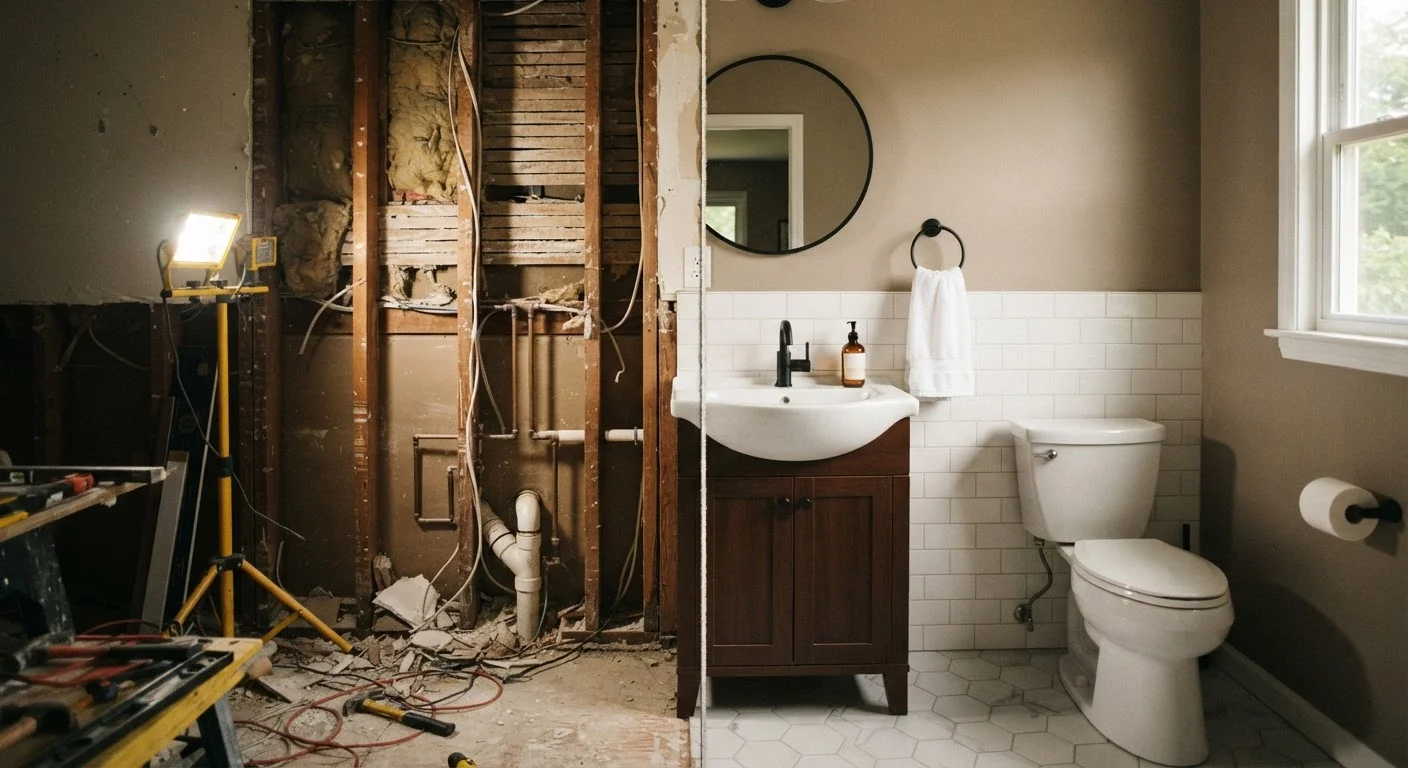
The Core Difference: Surface vs. Systems
A cosmetic refresh changes how your bathroom looks without touching its underlying structure. Think repainting walls, swapping a vanity mirror, replacing a faucet, updating light fixtures, adding new towel bars, or re-caulking around a tub. These are mostly surface-level changes - valuable, but they don't alter plumbing lines, move walls, or address what's happening behind tile or under floors.
A full bathroom renovation goes further. It may involve replacing or rerouting plumbing, installing new subfloor material, retiling from scratch, upgrading the electrical panel circuit for GFCI outlets, or changing the room's footprint entirely. These projects typically require building permits, licensed plumbers and electricians in most jurisdictions, and a construction timeline measured in weeks, not weekends.
The mistake many homeowners make is starting a refresh and discovering they actually needed a renovation - often when they peel back a layer of tile and find water-damaged drywall or blackened subfloor beneath. See our guide on where DIY enthusiasm outpaces reality for a broader look at how this plays out across home projects.
| Criterion | Full Renovation | Cosmetic Refresh |
|---|---|---|
| Scope | Structure, plumbing, electrical, layout | Surfaces, fixtures, accessories |
| Permits typically required | Yes, in most jurisdictions | Rarely (fixture swaps may vary) |
| Licensed trades needed | Plumber, electrician, often contractor | Generally DIY-accessible |
| Timeline | Weeks to months | Days to a few weekends |
| Relative cost | Significantly higher | Considerably lower |
| Addresses moisture damage | Yes | No |
| Renter-appropriate | Rarely | Often, with landlord approval |
| Changes room layout | Possible | No |
How to Read Your Bathroom's Actual Condition
Before choosing an approach, do an honest condition audit. Look beyond the cosmetic layer.
- Grout and caulk: Cracked or missing grout is a refresh fix. But if grout failure has persisted for years, check whether water has penetrated behind the tile - that's a renovation trigger.
- Ventilation: A bathroom fan that moves air adequately is fine to keep. One that's been ineffective for years may point to persistent moisture issues - inspect the ceiling and wall corners for soft drywall or discoloration.
- Plumbing performance: Slow drains, inconsistent pressure, or visible corrosion on supply lines are functional problems a refresh won't solve.
- Floor flex: Press down firmly on the floor near the toilet and tub. Any give, bounce, or soft spot suggests subfloor moisture damage - a renovation-level issue.
- Fixture age: Toilets and faucets from the 1980s or earlier may not meet current water-efficiency standards. Replacing them individually is a refresh task; replacing everything at once as part of a layout change becomes renovation territory.
~20%
Bathroom renovation budget often consumed by surprises
Industry contractors commonly advise homeowners to set aside 15-20% of a renovation budget for unexpected costs uncovered during demolition.
70%+
Cost recouped on midrange bathroom remodels at resale
Remodeling industry cost-vs-value analyses generally show midrange bathroom remodels recouping a meaningful but not complete share of cost at resale - results vary by market.
If your audit turns up only cosmetic concerns - dull finishes, outdated color palette, dated hardware - a refresh is genuinely the right call. If you find any structural or moisture-related flags, get a licensed contractor's eyes on it before committing to a scope.
What Each Approach Actually Involves
Cosmetic refresh tasks typically include: repainting with moisture-resistant paint formulated for bathrooms, replacing a vanity faucet or showerhead, installing a new mirror or medicine cabinet, swapping out light fixtures (note: any electrical work beyond a simple fixture swap should involve a licensed electrician), replacing toilet hardware, adding shelving or organizational accessories, and applying fresh caulk or grout sealer. Most of these are accessible to a confident DIYer - see what renters can change without losing their deposit for guidance if you don't own the space.
Renovation tasks are a different category entirely. Replacing a tub surround, installing a tile shower from the substrate up, moving the toilet or vanity to a new position, upgrading to a double-sink vanity, or addressing structural water damage all require professional trades in most U.S. jurisdictions. Permits are typically required for plumbing and electrical work, and inspections protect both the quality of the work and your home's insurability. Skipping permits for renovation-level work can create serious complications when you sell or file a claim.
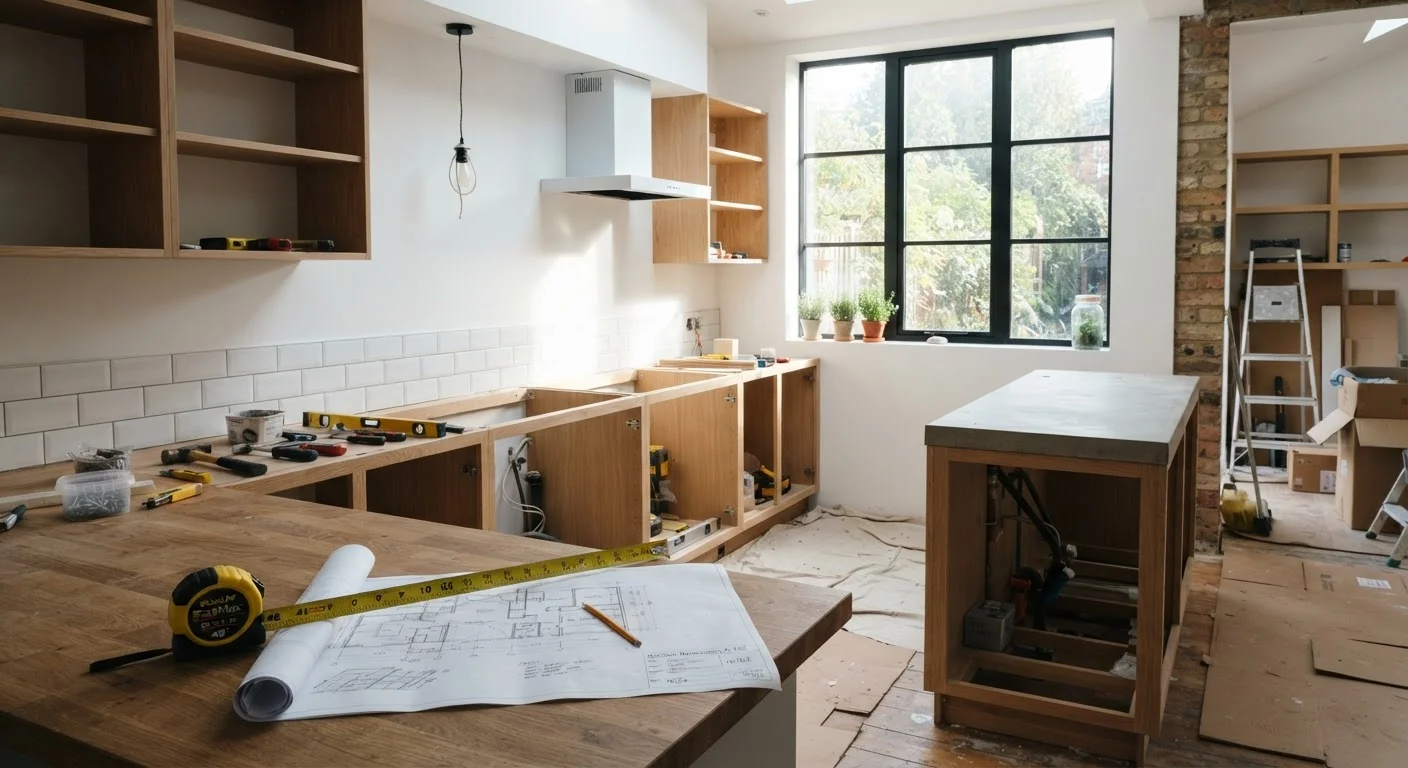
For context on planning a room-scale project, our kitchen renovation planning framework offers a useful structural model that translates well to bathrooms.
When a Refresh Reveals a Renovation
It's not uncommon to start a cosmetic project - say, re-caulking a tub surround - and find soft or crumbling drywall behind the bead of caulk. At that point, the project scope changes. Stopping to assess and bring in a professional is far less costly than tiling over a moisture problem. Build in a brief inspection phase before finalizing your plan.
Budget Realities and Setting Expectations
Cost ranges vary widely by region, materials, and labor market - and this article isn't the place for specific dollar figures that will date quickly. What's useful is understanding the relative scale of each approach.
A cosmetic refresh pulling from a curated list of updates - new faucet, mirror, lighting, paint, and accessories - generally stays within a range that most households can plan for incrementally. You can stage a refresh over time, completing one element per month if needed.
A full renovation involves demolition labor, materials, permit fees, licensed trade costs (plumber, electrician, tile setter), and often surprises uncovered during demo. The cumulative cost can be many times that of a refresh - sometimes significantly more depending on scope. That financial reality deserves honest weight before you begin tearing out tile.
If budget is a real constraint, consider whether a phased approach is viable: refresh now, plan for renovation later when savings allow. Our hub on saving and debt management can help with the financial planning side. You might also find the seasonal home refresh checklist useful for identifying lower-cost updates that make an immediate difference across the home.
This article is for general informational purposes only. For work involving plumbing, electrical systems, or structural elements, always consult a licensed professional and verify local permit requirements before beginning any project.