
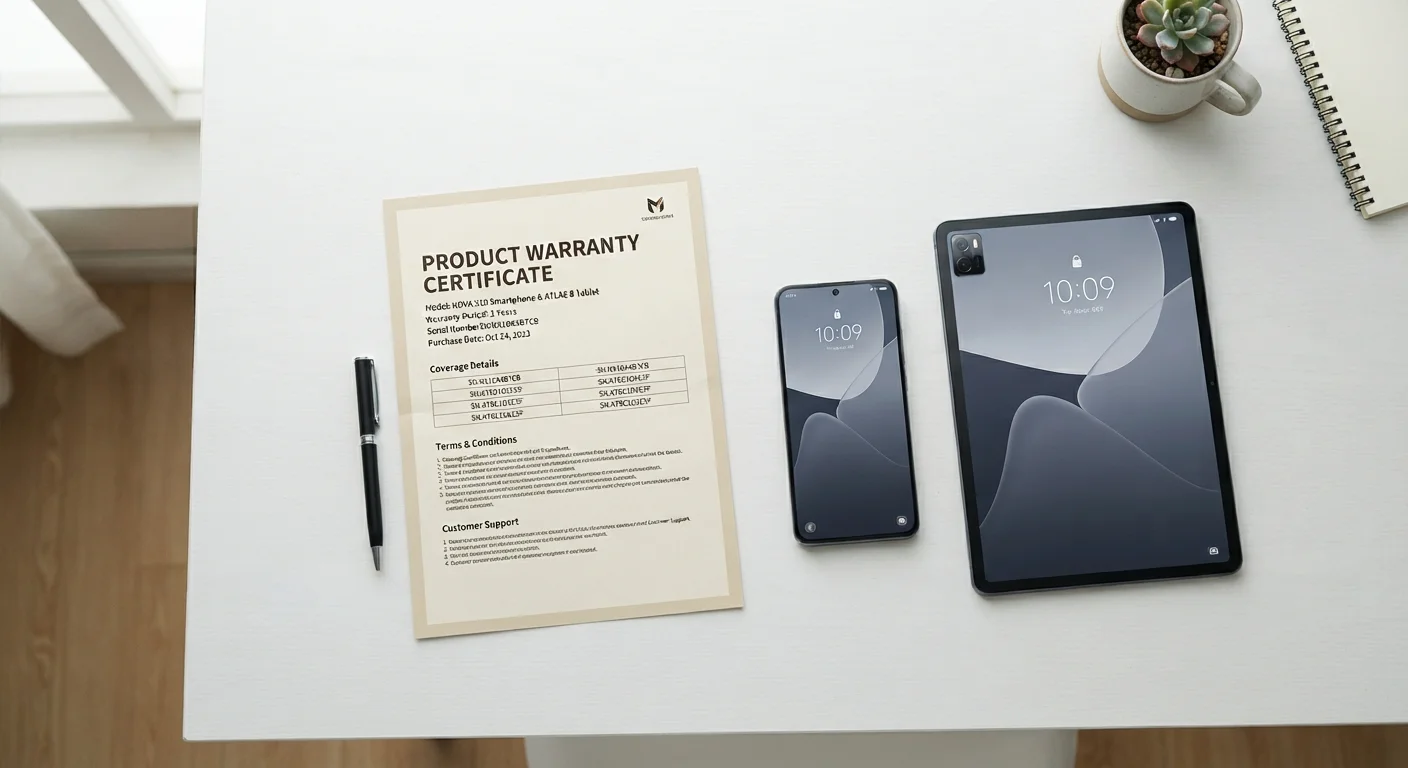
What a Manufacturer Warranty Actually Promises
When you unbox a new device, a manufacturer warranty is almost always included — but the protection it provides is narrower than most people assume. The core promise is straightforward: if the product stops working because of a defect in how it was made or the components used, the manufacturer will repair or replace it within a defined period.
What that promise does not include is just as important. Standard limited warranties — the most common type — explicitly exclude damage you cause, damage from the environment, and anything that falls outside normal use as defined by the manufacturer. That definition of "normal use" is often written conservatively.
Key terms to look for in the limitations section include:
- Coverage period: Usually 90 days to one year, though some product categories carry longer terms.
- What constitutes a defect: Must be a manufacturing or materials flaw, not user-induced failure.
- Remedy offered: Whether the company will repair, replace, or refund — and whether a refurbished replacement is acceptable.
- Transferability: Most limited warranties apply only to the original purchaser.
Full vs. Limited Warranties: A Key Distinction
Under the Magnuson-Moss Warranty Act, a "full" warranty must repair or replace a defective product within a reasonable time at no charge and cannot limit implied warranty duration. A "limited" warranty — by far the more common type — may impose significant restrictions on remedies, transfer, and duration. Most consumer electronics carry limited warranties, so understanding what "limited" means in your specific document is essential.
How Extended Protection Plans Differ
Extended protection plans — also called service contracts or extended warranties — are separate agreements from the original manufacturer warranty. They are typically offered at checkout by retailers or through third-party administrators, and they come with their own distinct terms.
Some plans activate the moment you purchase them, running concurrently with the manufacturer warranty; others begin only after the original warranty expires. This distinction matters because overlapping coverage during the first year can be redundant. Understanding what gap the plan actually fills is critical.
Protection plans may offer coverage the manufacturer warranty doesn't, such as accidental damage from drops or spills. However, this broader coverage often comes with its own fine print — per-claim deductibles, limits on the number of claims per year, and specific procedures for filing that must be followed precisely or the claim can be denied. The concept of exclusions applies just as much to electronics protection plans as it does to traditional insurance policies.
1 Year
Typical manufacturer warranty duration for consumer electronics
One year is the most common limited warranty period across major consumer electronics categories in the U.S., though premium or specialized products sometimes carry longer terms.
~40%
Consumers who read warranty terms before a claim
Consumer research consistently shows that a significant minority of buyers review full warranty documentation only after a product fails, when exclusions become immediately relevant.
The Exclusions Most Consumers Miss
Exclusions are where most warranty and protection plan disputes originate. They are written in legal language, placed in sections with headings like "What Is Not Covered" or "Limitations of Liability," and they can nullify coverage for the exact scenario you thought you were protected against.
Common exclusions found across both manufacturer warranties and third-party plans include:
- Liquid or moisture damage: Even humidity exposure in some climates can trigger this exclusion.
- Physical or cosmetic damage: Cracked screens from drops, dents, and scratches are routinely excluded from basic plans.
- Unauthorized repairs or modifications: Having a device serviced by an unrecognized shop or installing unapproved software can void coverage.
- Accessories and peripherals: Chargers, cases, and earbuds may not be covered even if sold as part of a bundle.
- Commercial or non-personal use: Using a consumer-grade device in a business environment can void the warranty.
Understanding why claims get denied — and how to read the policy language behind those decisions — is covered in detail in our guide on why claims get denied.
Read the 'What Is Not Covered' Section First
When evaluating any warranty or protection plan, go directly to the exclusions section before reading anything else. The marketing language describes the best-case scenario; the exclusions describe the reality of when coverage will be denied. Paying attention to both gives you an accurate picture of what you're actually getting.
Steps to Protect Your Coverage Before You Need It
Taking a few simple steps after purchasing a device can make a significant difference when it comes time to file a claim.
- Save proof of purchase: A receipt, order confirmation, or bank statement that shows the purchase date and retailer is almost universally required.
- Review the warranty document within the first few days: Note the coverage period end date, the claims contact, and any registration requirements.
- Register the device if required: Some manufacturers require registration to activate warranty coverage; others use it for recall tracking. Check the documentation.
- Photograph any pre-existing damage: Document the device's condition on arrival so there's no dispute about whether damage existed before your ownership.
- Understand the claims process: Know whether you need to ship the device, visit an authorized service center, or call a hotline — and in what order.
Just as understanding what a health plan actually covers requires reading the full policy rather than the summary, electronics warranty protection rewards careful reading before a problem arises.
This article provides general consumer information about electronics warranties and protection plans. It is not legal or financial advice. Terms vary widely by manufacturer, retailer, and plan administrator. Always read the full warranty or service contract document for your specific product and consult a qualified professional for guidance on your individual situation.