Why Routine Wellness Exams Matter
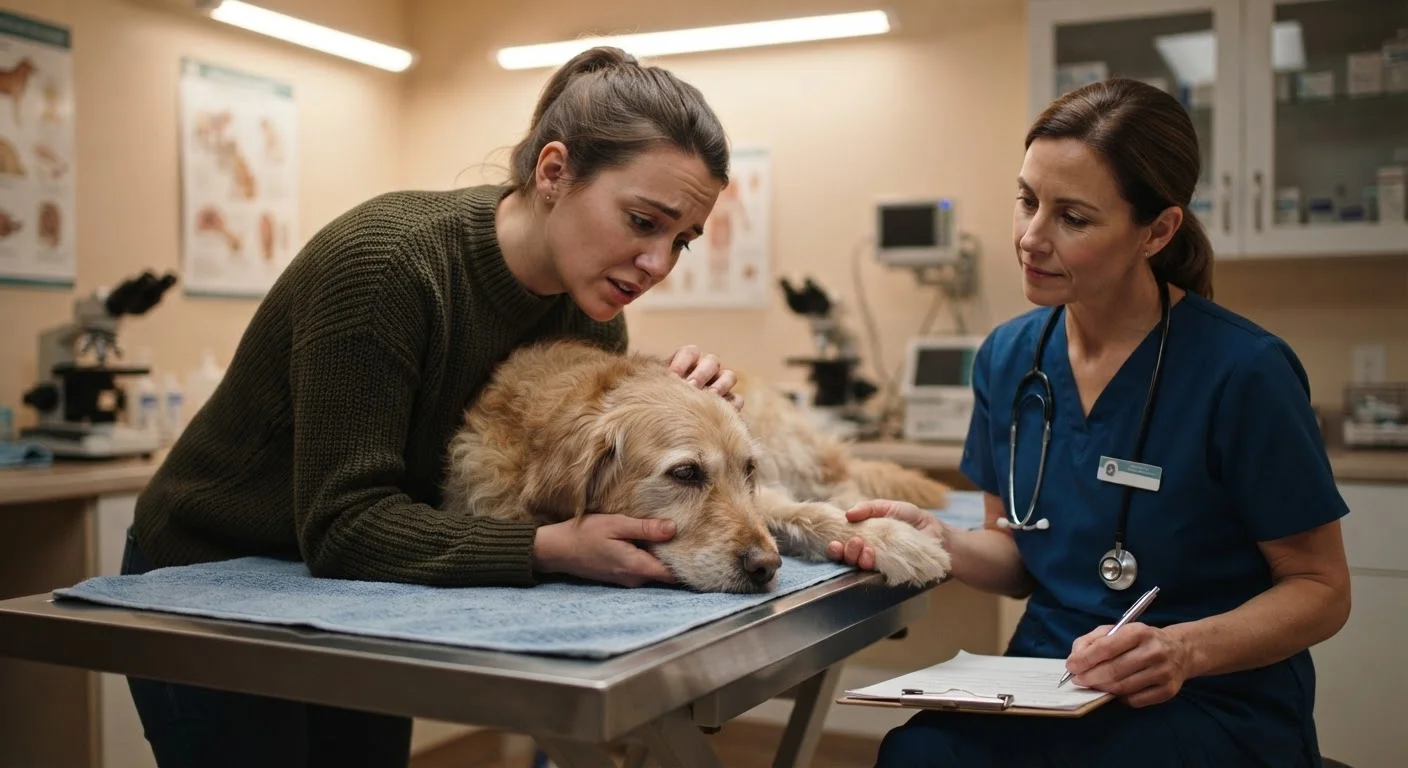
Many pet owners bring their animals to the vet only when something is visibly wrong. But veterinary organizations, including the American Veterinary Medical Association, consistently emphasize that routine wellness exams are one of the most effective tools for protecting long-term pet health. Pets age faster than humans and cannot communicate subtle discomfort — meaning a once-a-year checkup may be the only opportunity to catch a developing problem before it becomes serious.
Wellness exams also build a documented health baseline for your pet. When a vet has records showing what your dog's kidney values or heart rhythm looked like at age three, they can more accurately identify when something shifts at age seven. That continuity is hard to replicate with sick-only visits.
For a broader look at how routine care changes across your pet's life, see the complete overview of routine pet care across life stages.
80%
Dogs showing dental disease by age 3
According to the American Veterinary Dental College, most dogs develop some form of periodontal disease by their third year — often detectable only through a veterinary exam.
1 in 3
Pets diagnosed with serious illness annually
Veterinary health data consistently shows that approximately one in three pets will be diagnosed with a serious health condition each year, underscoring the value of routine screening.
6 months
Recommended exam interval for senior pets
Veterinary guidelines from organizations such as the AVMA recommend semi-annual wellness exams for pets entering their senior years, as health changes occur more rapidly with age.
What the Vet Actually Examines
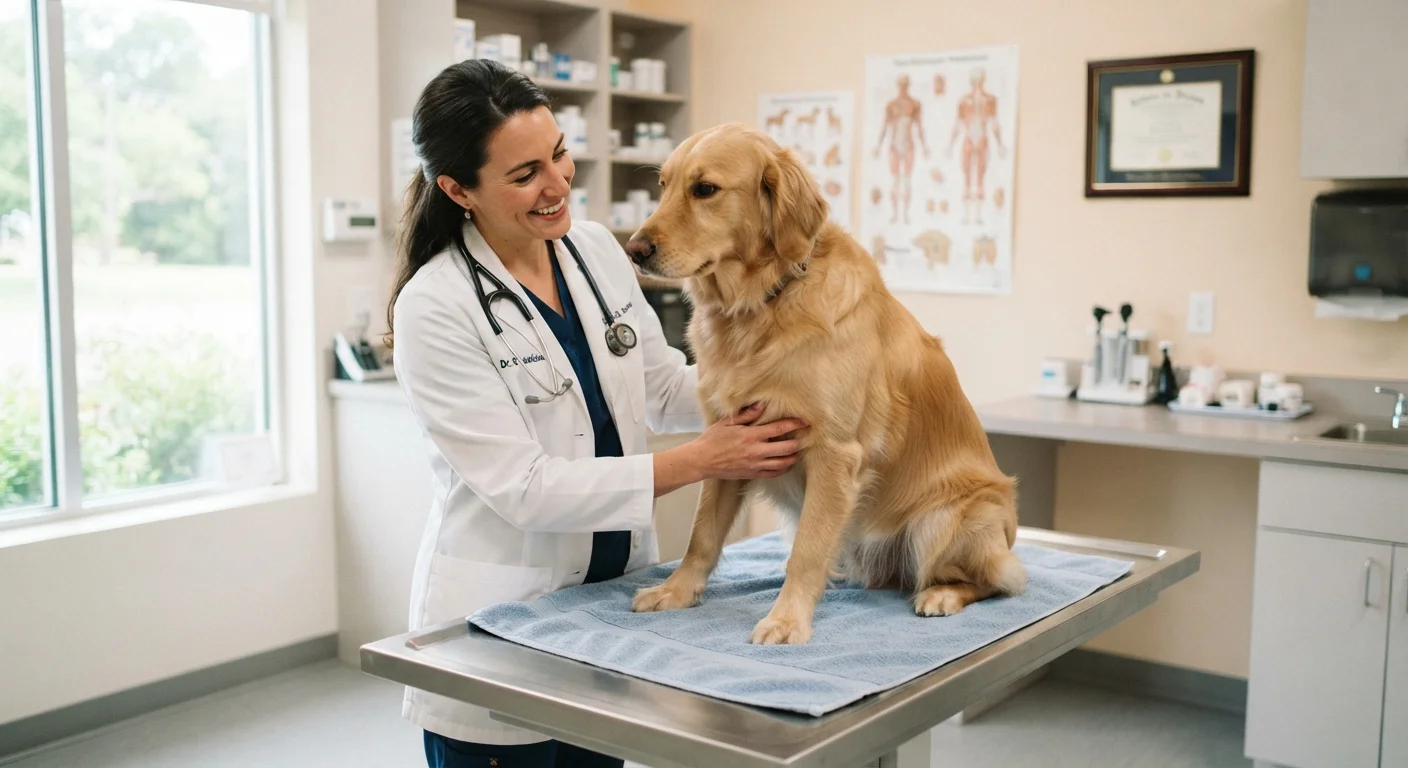
A routine wellness exam follows a systematic, head-to-tail assessment. Here's what a veterinarian typically evaluates during the visit:
- Weight and body condition: Your vet will weigh your pet and assess muscle mass and fat distribution. Unintended weight loss or gain is one of the earliest signs of metabolic or systemic disease.
- Eyes, ears, and nose: Checked for discharge, cloudiness, signs of infection, or structural changes that may affect quality of life.
- Teeth and gums: Dental disease is extremely common in pets and often goes unnoticed at home. The exam includes a visual assessment of plaque buildup, gum inflammation, and tooth integrity.
- Heart and lungs: Using a stethoscope, the vet listens for abnormal heart rhythms, murmurs, or respiratory sounds that may signal early cardiac or pulmonary issues.
- Abdomen: Palpation of the belly helps detect organ size changes, masses, or areas of tenderness that could indicate digestive, urinary, or reproductive concerns.
- Skin and coat: The vet examines for parasites, lumps, rashes, hair loss, and general coat condition — all of which can reflect nutritional or systemic health status.
- Lymph nodes and musculoskeletal system: Swollen nodes or joint stiffness can signal infection, inflammation, or early arthritis.
Depending on your pet's age and history, the vet may also recommend blood work, urinalysis, or parasite screening to supplement the physical findings.
Make a List Before You Go
Write down any changes in your pet's behavior, appetite, water intake, or bathroom habits in the week before the appointment. Even changes that seem trivial — like sleeping in a different spot or drinking slightly more water — can be clinically significant. Vets can only work with what you tell them, so being specific and prepared makes the exam more effective.
How to Prepare for the Appointment
A little preparation goes a long way toward making the exam productive. Collect a fresh stool sample the morning of the visit — most vets include intestinal parasite screening as part of routine care, and a sample collected within 24 hours gives the most accurate results.
Write down any behavioral changes you've noticed, even if they seem minor: changes in water intake, energy level, sleep habits, appetite, or elimination patterns. These details matter. What appears insignificant to a pet owner can be a meaningful clinical clue to a vet.
Also bring a list of any supplements, flea or tick preventatives, or over-the-counter products you're currently giving your pet. Drug interactions and supplement safety are real concerns your vet should know about.
Be aware that some everyday habits can affect your pet's health between visits. The article on everyday habits that quietly undermine your pet's health outlines common patterns worth reviewing before your appointment.
New to a Veterinary Practice?
If this is your first visit to a new clinic, request that your previous vet transfer records before the appointment. A complete health history — including prior lab results and vaccination records — allows the new veterinarian to assess changes over time rather than starting from scratch. Many clinics can accept records via email or fax within 24 hours.
After the Exam: Next Steps and Ongoing Care
At the end of the visit, your vet will summarize findings, discuss any recommended follow-up (additional diagnostics, dietary changes, dental cleanings), and confirm your pet's vaccination and parasite prevention status. Don't hesitate to ask for written notes or a visit summary — clinics routinely provide these, and having them helps you track your pet's health over time.
Wellness exams are also the right time to ask about life-stage-specific concerns, such as arthritis prevention in aging dogs or weight management in cats. Use this window — your vet wants to hear your questions.
If anything comes up between annual appointments that seems off, signs your pet may need a vet sooner rather than later is a useful reference for deciding when a between-visit call or appointment is warranted.
Incorporating annual exams into your broader care routine is straightforward with a structured approach — the monthly pet care checklist for dogs and cats can help you stay on top of vet visits alongside grooming, parasite prevention, and other recurring tasks.
This article is for general informational purposes only and does not constitute veterinary medical advice. Always consult a licensed veterinarian for guidance specific to your pet's health needs.