Why 'Wait and See' Can Be Risky
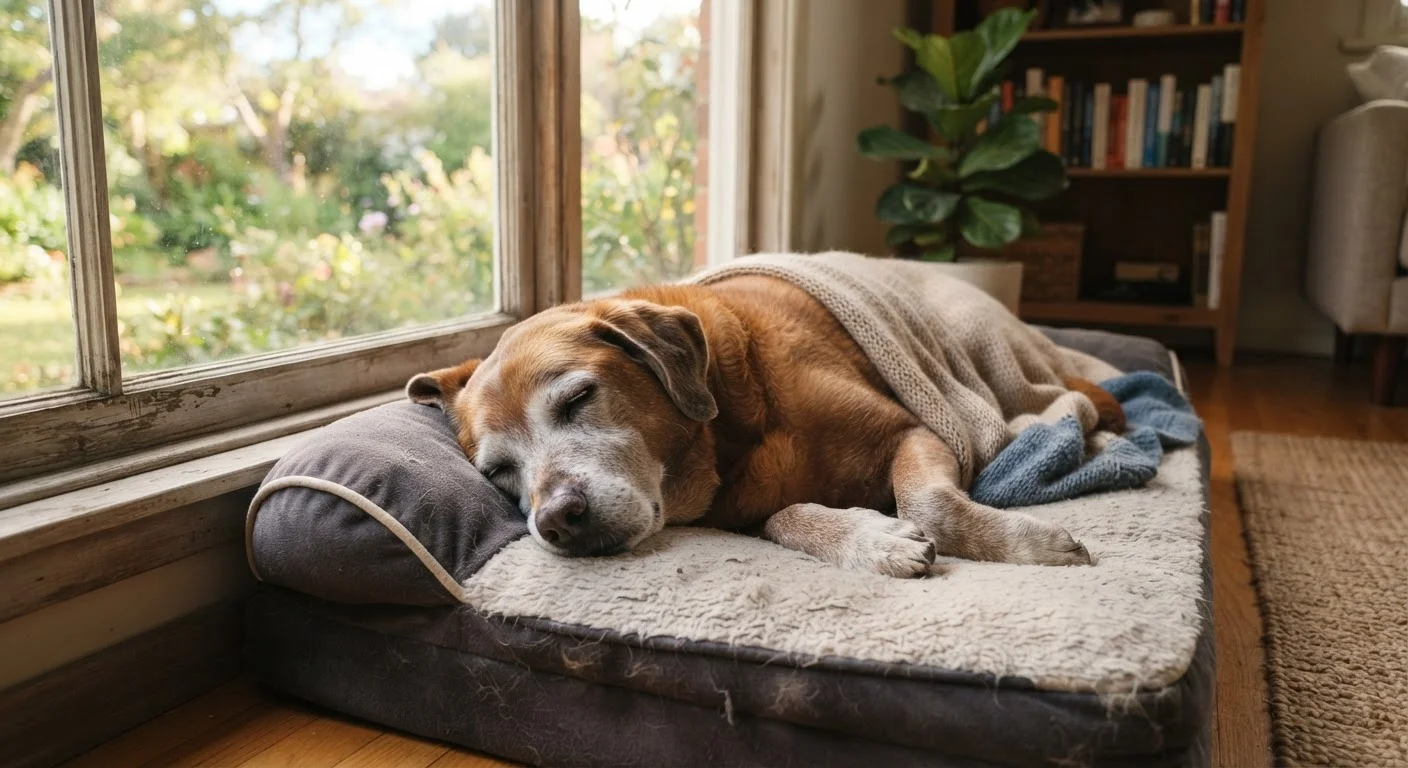
Animals are instinctively wired to mask discomfort, which means a symptom that looks mild on the surface may already reflect something more serious underneath. The challenge for pet owners is distinguishing between a true minor hiccup — an off meal, a brief rest day — and a warning sign that needs professional evaluation.
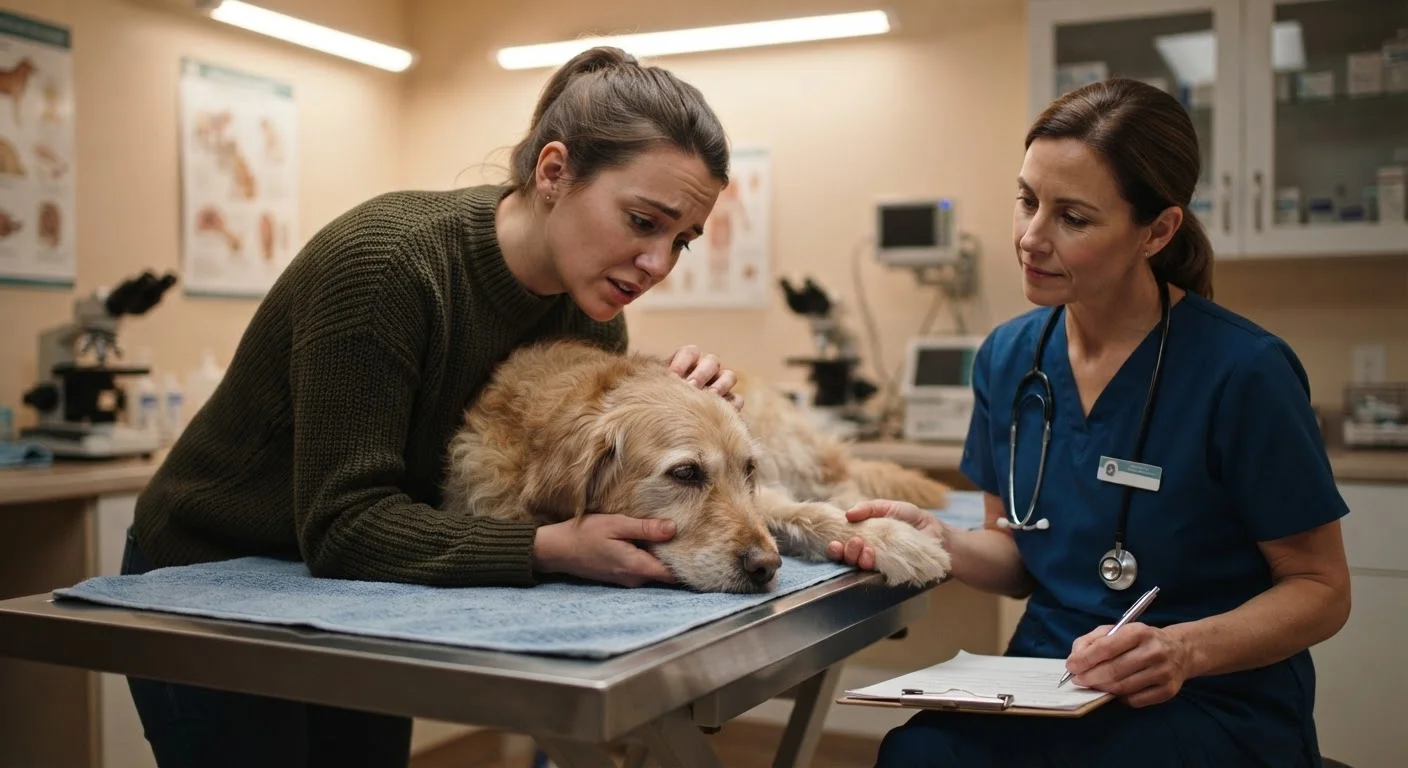
This reference guide is designed to help you recognize the physical and behavioral red flags that warrant a vet visit sooner rather than later. It is not a substitute for veterinary care. When in doubt, always contact your veterinarian directly.
If you're curious how everyday routines play into your pet's long-term health, see habits vets commonly flag as concerns.
| Most common reason for emergency vet visits | Trauma, respiratory distress, urinary blockage, and toxin ingestion (American Veterinary Medical Association) |
| Cats hiding illness | Cats are especially prone to masking pain and illness until symptoms are advanced (Veterinary consensus) |
| Safe window for appetite loss (cats) | 24–48 hours maximum before veterinary contact is advised (Cornell Feline Health Center) |
| Urinary blockage urgency (male cats) | Can become fatal within 24–48 hours without treatment (Veterinary consensus) |
| GDV risk breeds | Large and giant breeds with deep chests (e.g., Great Danes, German Shepherds) (American Kennel Club Health Foundation) |
| Recommended wellness visit frequency | At least once yearly for adults; twice yearly for senior pets (age 7+) (AVMA guidelines) |
Physical Signs That Should Not Be Ignored
Certain physical changes carry enough urgency that veterinary contact should happen within hours, not days:
- Labored or rapid breathing at rest — Open-mouth breathing in cats or unusually fast, shallow breaths in any pet at rest can indicate respiratory distress or cardiac issues.
- Bloated or distended abdomen — Especially in large-breed dogs, sudden abdominal swelling paired with unproductive retching may signal a life-threatening condition called gastric dilatation-volvulus (GDV).
- Pale, white, blue, or yellow gums — Healthy gums are pink and moist. Discoloration can reflect poor circulation, anemia, or liver problems.
- Sudden collapse or extreme weakness — A pet that cannot stand, walks with pronounced unsteadiness, or collapses needs emergency evaluation immediately.
- Uncontrolled bleeding or deep wounds — Wounds that do not stop bleeding within a few minutes, or that are deep or contaminated, require prompt care.
- Seizures — A first-time seizure or one lasting more than two to three minutes is an emergency.
For a deeper look at how pets conceal discomfort, our related guide on subtle signs your pet may be in pain covers behavioral and physical signals that are easy to miss.
Hepatic lipidosis
A serious liver condition in cats triggered by prolonged food refusal, in which fat accumulates in liver cells and impairs organ function. It can develop within days of appetite loss.
Gastric dilatation-volvulus (GDV)
A life-threatening condition in dogs in which the stomach fills with gas and twists on itself, cutting off blood supply. Requires immediate emergency surgery.
Urinary blockage
An obstruction in the urethra that prevents urination. It is especially dangerous in male cats and constitutes a veterinary emergency requiring prompt treatment.
Pallor (gum color)
Abnormal paleness or discoloration of the gums — white, blue, or yellow — indicating circulatory, respiratory, or liver problems that warrant immediate veterinary evaluation.
Behavioral Changes Worth Tracking
Changes in behavior are often the earliest indicator that something is wrong. Because behavior shifts can also reflect stress or environmental change, context matters — but these patterns warrant a call to your vet:
- Refusing food for more than 24–48 hours (cats especially, given their risk of hepatic lipidosis with prolonged appetite loss)
- Increased thirst and urination — This combination can point to diabetes, kidney disease, or hormonal disorders
- Sudden aggression or extreme withdrawal in a normally social pet
- Crying, whimpering, or vocalizing more than usual, particularly when touched or moved
- Repetitive head shaking or ear scratching — often a sign of ear infection or foreign body
- Straining to urinate or defecate without results — urinary blockage in male cats is a medical emergency
Senior pets may show subtler shifts. If your animal is older, understanding age-related health changes can help you separate normal aging from signs of illness.
When to Go to an Emergency Clinic
If your regular veterinarian is unavailable and your pet shows any of the emergency signs listed here — collapse, seizure, breathing difficulty, suspected blockage, or uncontrolled bleeding — do not wait for a morning appointment. Seek an emergency or after-hours animal hospital immediately. Keep the contact number for your nearest emergency clinic saved before you ever need it.
Building a Habit of Proactive Care
Recognizing red flags is only part of responsible pet ownership. Routine wellness visits give your veterinarian a baseline — weight, organ function, dental health — that makes it far easier to detect change early. Annual exams also allow for timely vaccinations and parasite prevention that many owners underestimate.
Don't overlook dental health either. Oral disease is among the most common conditions vets diagnose in dogs and cats, and it can affect heart, kidney, and liver function over time. Our guide on dental care for pets explains what to watch for at home.
For a full picture of what happens during a routine vet visit and why it matters, see what vets wish you understood about annual wellness exams.
If you're building broader knowledge about daily pet care, the Pet Care Basics hub is a strong starting point.
This article is for general informational purposes only and is not a substitute for professional veterinary advice, diagnosis, or treatment. Always consult a licensed veterinarian about your pet's specific health concerns.