Why Dental Health Deserves a Spot in Your Daily Routine
Oral health is one of the most underestimated pillars of pet wellness. According to the American Veterinary Medical Association (AVMA), periodontal (gum) disease is the most common clinical condition seen in adult dogs and cats — and it is largely preventable. Yet most pet owners focus far more on feeding, exercise, and grooming than on their animal's mouth.
The consequences of neglect go beyond bad breath. Bacteria from inflamed gums can enter the bloodstream and, over time, place stress on the heart, kidneys, and liver. This connection between oral disease and systemic health is well-established in veterinary medicine. Treating your pet's dental health as optional isn't just an oversight — it's a health risk.
For a broader look at how oral care fits into your pet's overall wellness picture, see dental disease in pets.
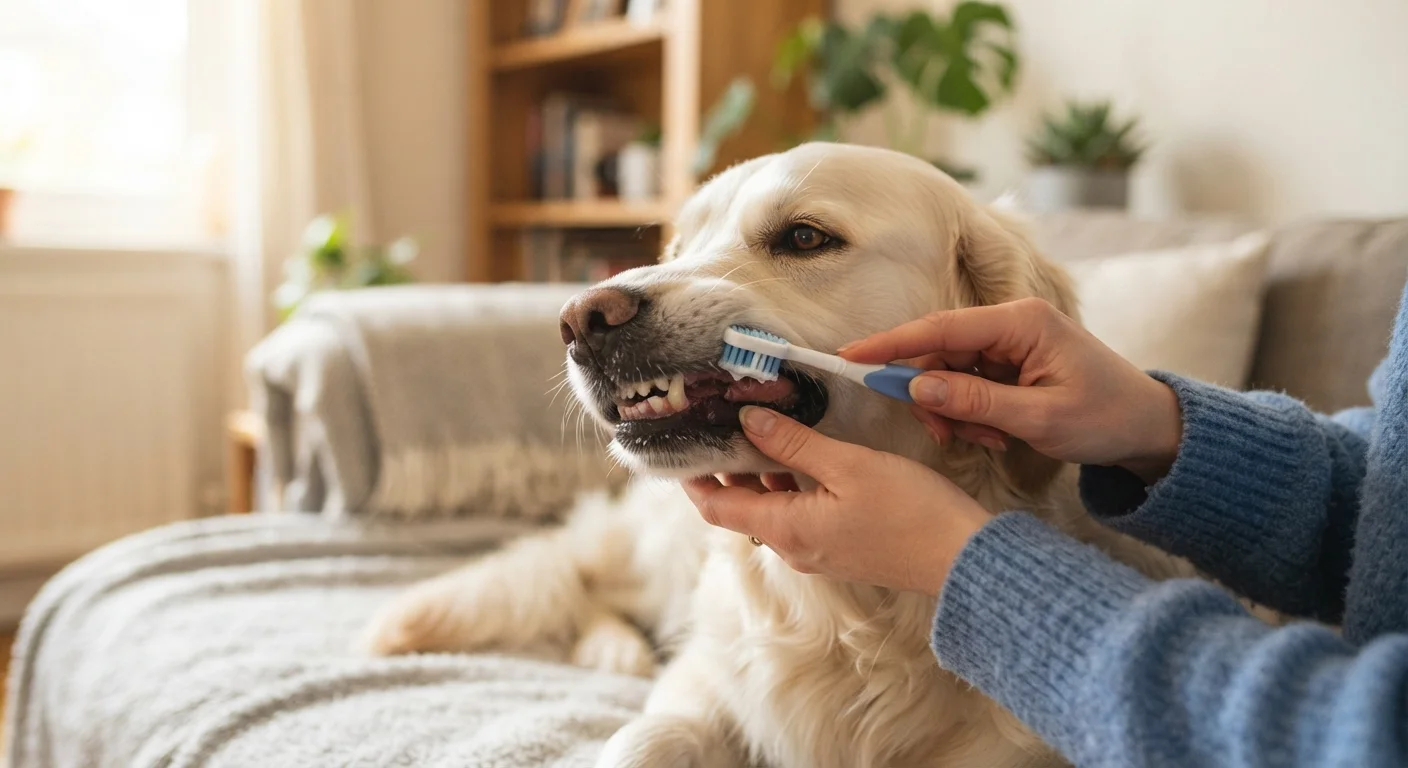
Brush your pet's teeth daily using a pet-formulated toothpaste and a soft-bristled brush.
Daily mechanical disruption of plaque is the most effective way to prevent it from hardening into tartar. Human toothpaste contains fluoride and xylitol, both of which are toxic to pets, so a pet-specific product is essential. Even 30 seconds of brushing per side makes a meaningful difference.
Introduce dental care gradually using positive reinforcement.
Forcing a toothbrush into a reluctant pet's mouth can create lasting negative associations that make future care nearly impossible. A slow, reward-based introduction teaches your pet that mouth handling is safe and routine. This is especially important with puppies and kittens, whose early experiences shape lifelong behavior.
Offer veterinarian-approved dental chews or toys as a supplement to brushing.
Chewing creates mechanical abrasion against tooth surfaces, which can slow plaque accumulation between brushing sessions. Products carrying the Veterinary Oral Health Council (VOHC) seal have met published standards for plaque or tartar reduction. These are supplements to brushing, not replacements.
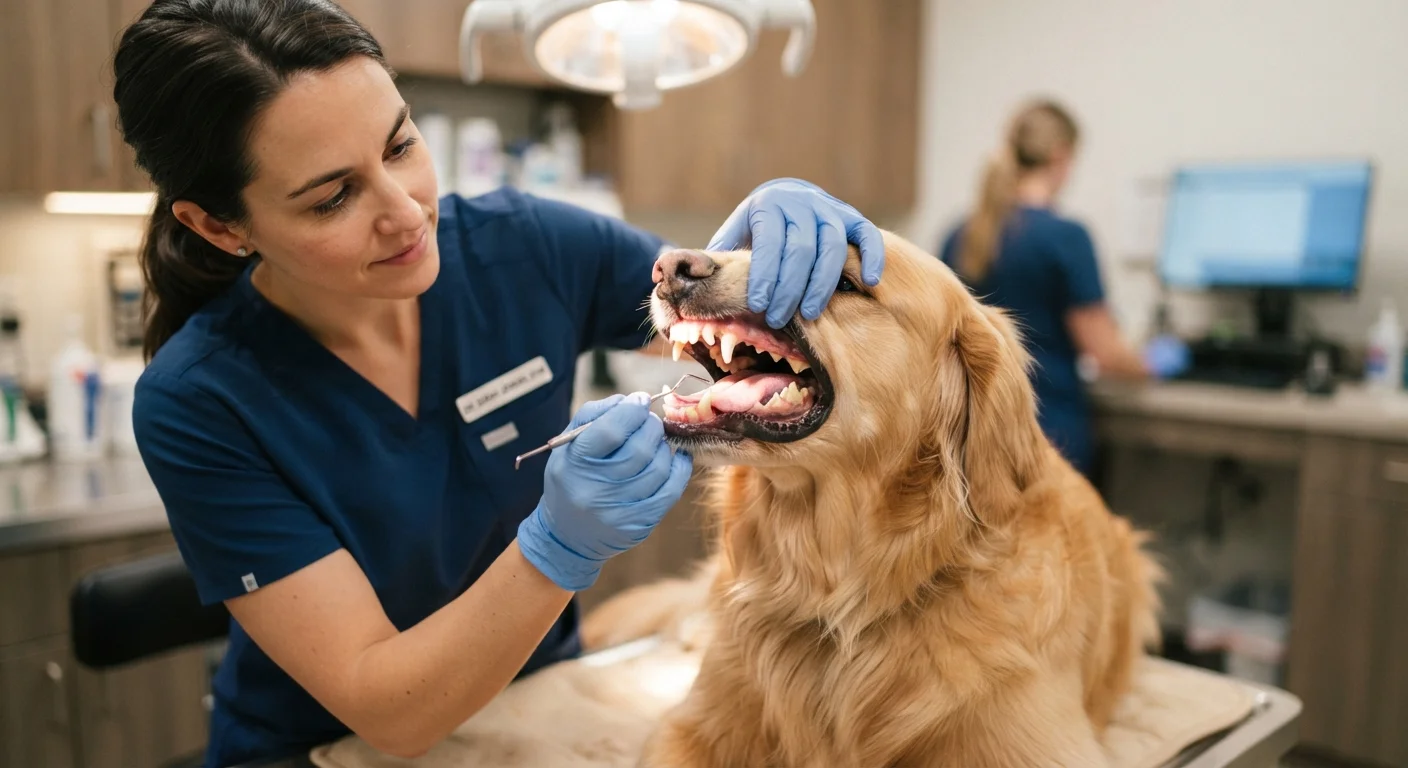
Schedule regular veterinary dental exams and professional cleanings as recommended.
Tartar that has calcified below the gumline cannot be removed by brushing or chews. Professional cleaning under anesthesia allows vets to clean, probe, and X-ray teeth — identifying problems invisible to the naked eye. Skipping professional cleanings allows sub-gingival disease to advance silently.
Make dental assessment part of your regular home health checks.
Briefly lifting your pet's lips once a week to check gums, teeth, and breath gives you a baseline so that changes are caught early. Most pets can be conditioned to accept brief oral inspection if it is practiced consistently from a young age.
Recognizing Warning Signs Before They Worsen
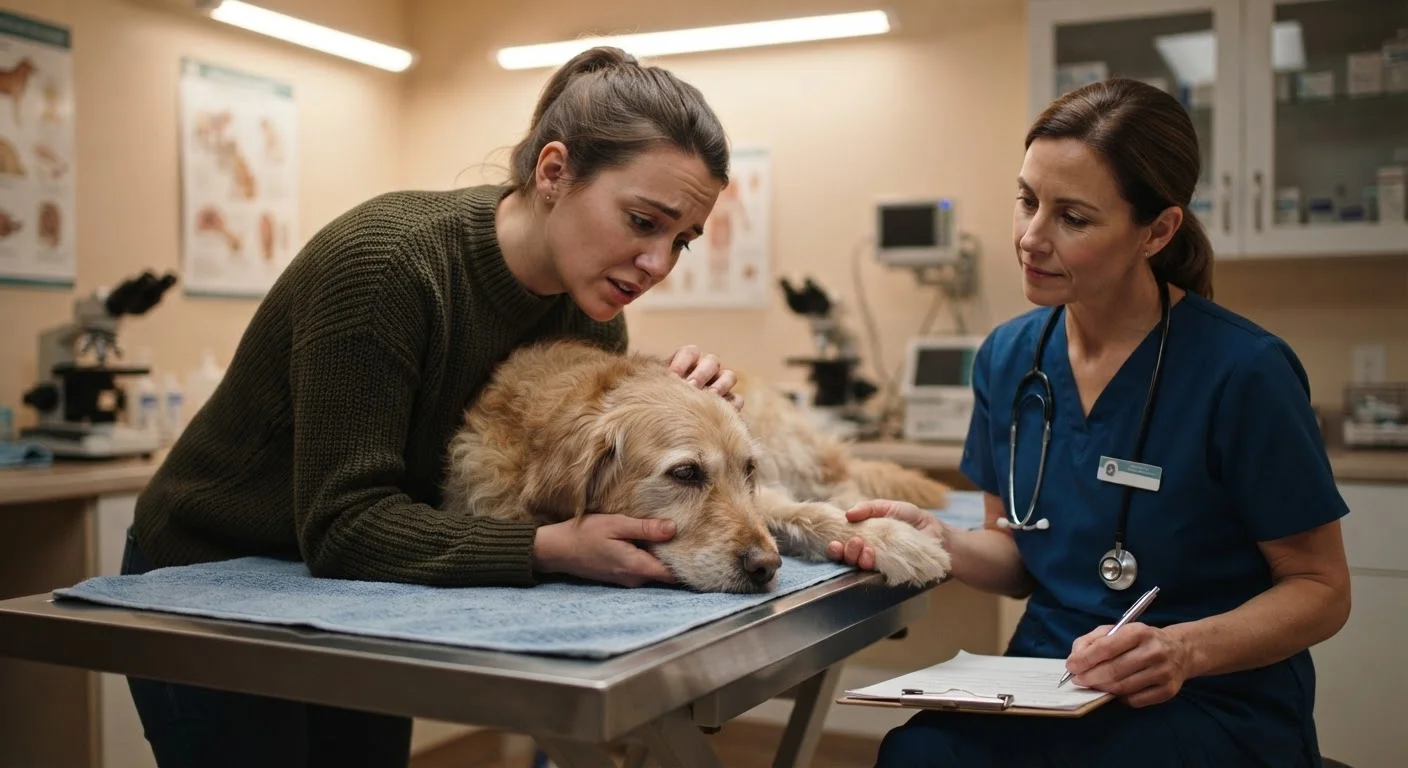
Pets are skilled at masking discomfort, so visible warning signs often mean a problem has already progressed. Knowing what to look for allows you to act early.
80%
Dogs with dental disease by age three
The American Veterinary Medical Association reports that the majority of dogs show signs of periodontal disease by their third year of life.
70%
Cats affected by dental disease by age three
Veterinary dental specialists estimate that up to 70% of cats have some degree of oral disease by age three, often undetected by owners.
- Persistent bad breath: Some odor is normal, but a strong, sulfur-like smell typically signals bacterial activity below the gumline.
- Yellow or brown tartar buildup: Discoloration along the gumline indicates calcified plaque that home brushing alone cannot remove.
- Red, swollen, or bleeding gums: These are hallmarks of gingivitis, the earliest reversible stage of periodontal disease.
- Dropping food or chewing on one side: A pet that suddenly changes how it eats may be experiencing tooth pain.
- Pawing at the mouth or face: This behavior often signals oral discomfort or a foreign object lodged between teeth.
- Excessive drooling or blood-tinged saliva: Either warrants prompt veterinary attention.
If you notice any of these signs, consult your veterinarian. Some symptoms that seem minor can escalate quickly — a point reinforced in signs your pet needs a vet.
When Professional Cleaning Becomes Necessary
Home care reduces the rate of disease progression, but it cannot eliminate tartar once it has hardened onto tooth surfaces. Professional veterinary dental cleanings — performed under general anesthesia — allow thorough scaling below the gumline, probing for pockets, and dental X-rays to assess root and bone health. These steps simply cannot be replicated at home or at anesthesia-free grooming salons.
A Note on Anesthesia-Free Dental Cleaning
Some pet salons and groomers offer teeth scaling without anesthesia. Veterinary dental organizations, including the American Veterinary Dental College (AVDC), caution that these procedures are largely cosmetic and cannot address disease below the gumline. They may also cause stress and injury if the animal moves unexpectedly. This is not a replacement for a proper veterinary dental cleaning.
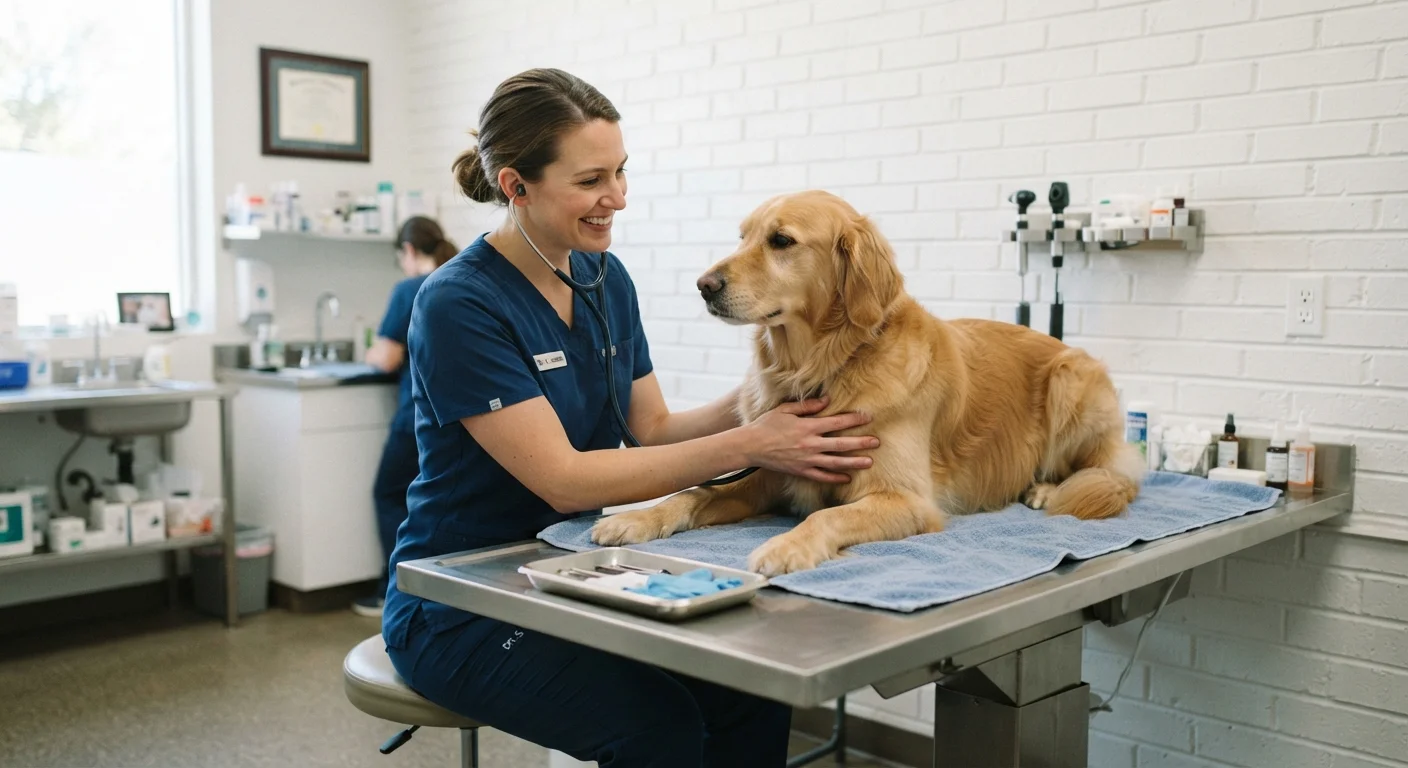
How often your pet needs a professional cleaning depends on breed, age, diet, and home care consistency. Some small-breed dogs and flat-faced breeds (such as Bulldogs and Pugs) may need annual cleanings due to crowded teeth. Your veterinarian is the right person to set a schedule based on your individual animal's needs.
Dental care is one part of a larger preventive health picture. Annual wellness exams are a key opportunity for vets to assess oral health early — learn more in what vets wish you knew about wellness exams.