Why Dental Disease Goes Unnoticed for So Long
Unlike a limp or a skin rash, dental disease is largely invisible to pet owners — and pets are instinctively wired to hide pain. By the time owners notice symptoms like bad breath, difficulty chewing, or drooling, the disease has often been progressing silently for months or years. The American Veterinary Dental College notes that most dogs and cats show signs of periodontal disease by the time they are three years old, yet routine dental care remains one of the most commonly skipped aspects of pet ownership.
Part of the problem is perception. Many owners assume bad breath is simply normal for pets. It is not. Persistent odor is one of the earliest and most reliable indicators of bacterial overgrowth in the mouth. Other early signs — mild gum redness, slight tartar on back molars — are easily missed without a veterinary exam and proper lighting.
Bad Breath Is Not Normal in Pets
A mild scent after eating is expected, but persistent or strong oral odor is a clinical sign worth discussing with your veterinarian. It typically indicates bacterial accumulation and may signal gingivitis or more advanced periodontal disease. Early intervention is almost always easier and less costly than treating advanced disease.
See our full guide to dental care in pets for a closer look at warning signs and when professional cleaning is needed.
How Dental Disease Progresses — and Why It Matters Beyond the Mouth
Dental disease follows a predictable path. Bacteria in the mouth form a soft film called plaque on tooth surfaces daily. When plaque is not regularly removed, it mineralizes into tartar — the hard, yellowish-brown crust you may see at the base of your pet's teeth. Tartar pushes below the gumline, triggering inflammation (gingivitis) and eventually destroying the bone and tissue anchoring the teeth.
~80%
Dogs with dental disease by age three
The American Veterinary Dental College estimates that most dogs and cats show signs of periodontal disease by age three.
#1
Most diagnosed condition in companion animals
Periodontal disease is consistently cited by veterinary organizations as the most common health problem seen in dogs and cats.
Daily
Recommended brushing frequency for pets
Veterinary dental specialists recommend daily tooth brushing as the most effective method for controlling plaque at home.
What makes this more than a cosmetic concern is the systemic dimension. Once oral bacteria enter the bloodstream through inflamed gum tissue, they can deposit in distant organs. Veterinary researchers have studied associations between severe periodontal disease and changes in kidney, liver, and heart tissue — though the full clinical picture is still being investigated. What is clear is that a diseased mouth creates ongoing bacterial stress throughout the body.
This is also why dental disease intersects with broader health: everyday habits that seem harmless, like feeding only soft food or skipping annual exams, can quietly accelerate the problem.
Building an Effective Dental Care Routine at Home
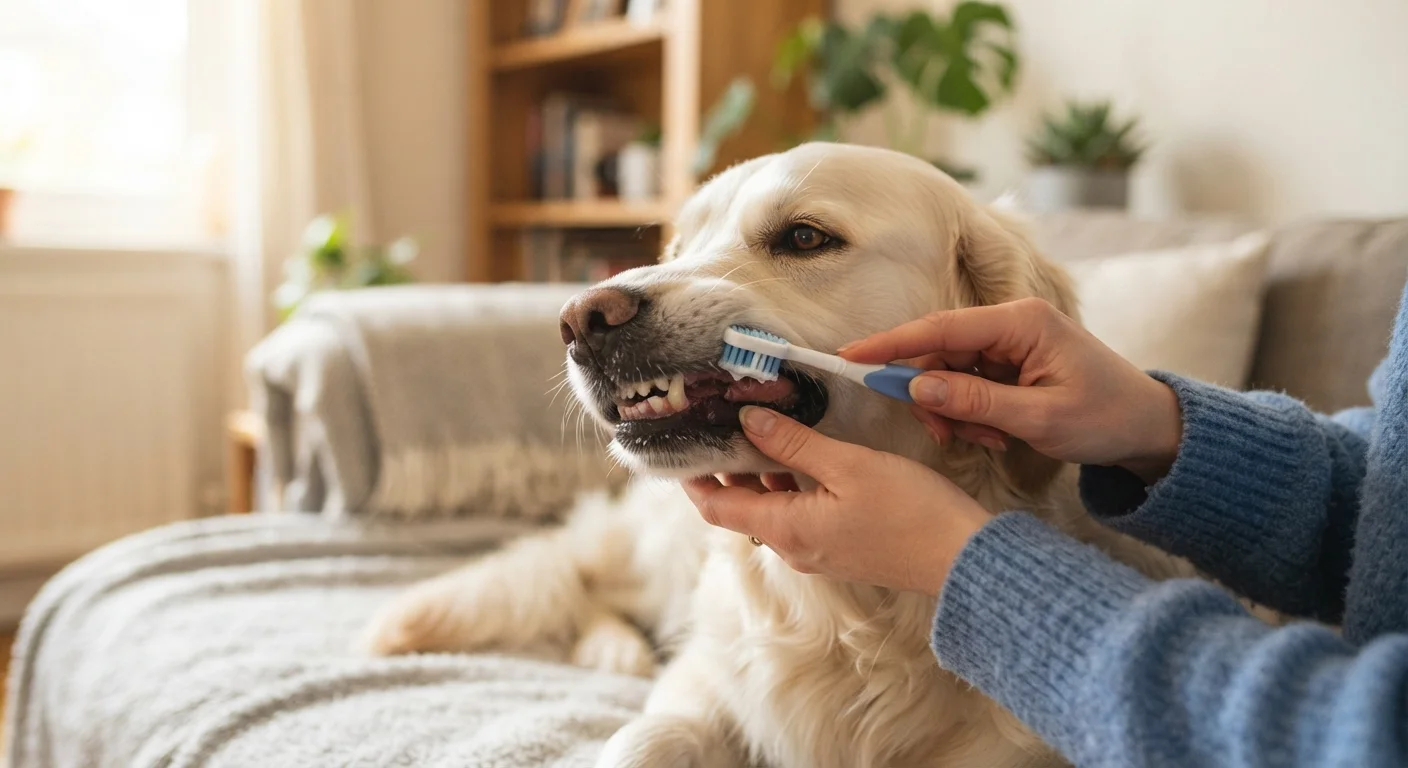
The most impactful thing owners can do is brush their pet's teeth regularly. Veterinary dental specialists recommend daily brushing as the standard, though several times per week still provides real benefit. Use a soft-bristled brush and a pet-safe enzymatic toothpaste — never human toothpaste, which contains xylitol and fluoride at concentrations harmful to animals.
Start Slow With Tooth Brushing
Introduce brushing gradually over one to two weeks, letting your pet sniff and lick the toothpaste before you ever bring a brush near their mouth. Short, calm sessions paired with praise help most pets accept the routine. Even brushing every other day provides meaningful plaque control compared to no brushing at all.
For pets who resist brushing, a gradual introduction works best: start by letting your pet lick toothpaste from your finger, then transition to touching the teeth, then introduce the brush over days or weeks. Patience and positive reinforcement make a significant difference.
Beyond brushing, look for supplemental products bearing the Veterinary Oral Health Council (VOHC) seal — this indicates independent evidence of plaque-reduction effectiveness. These include certain dental chews, diets, and water additives. They support but do not replace brushing.
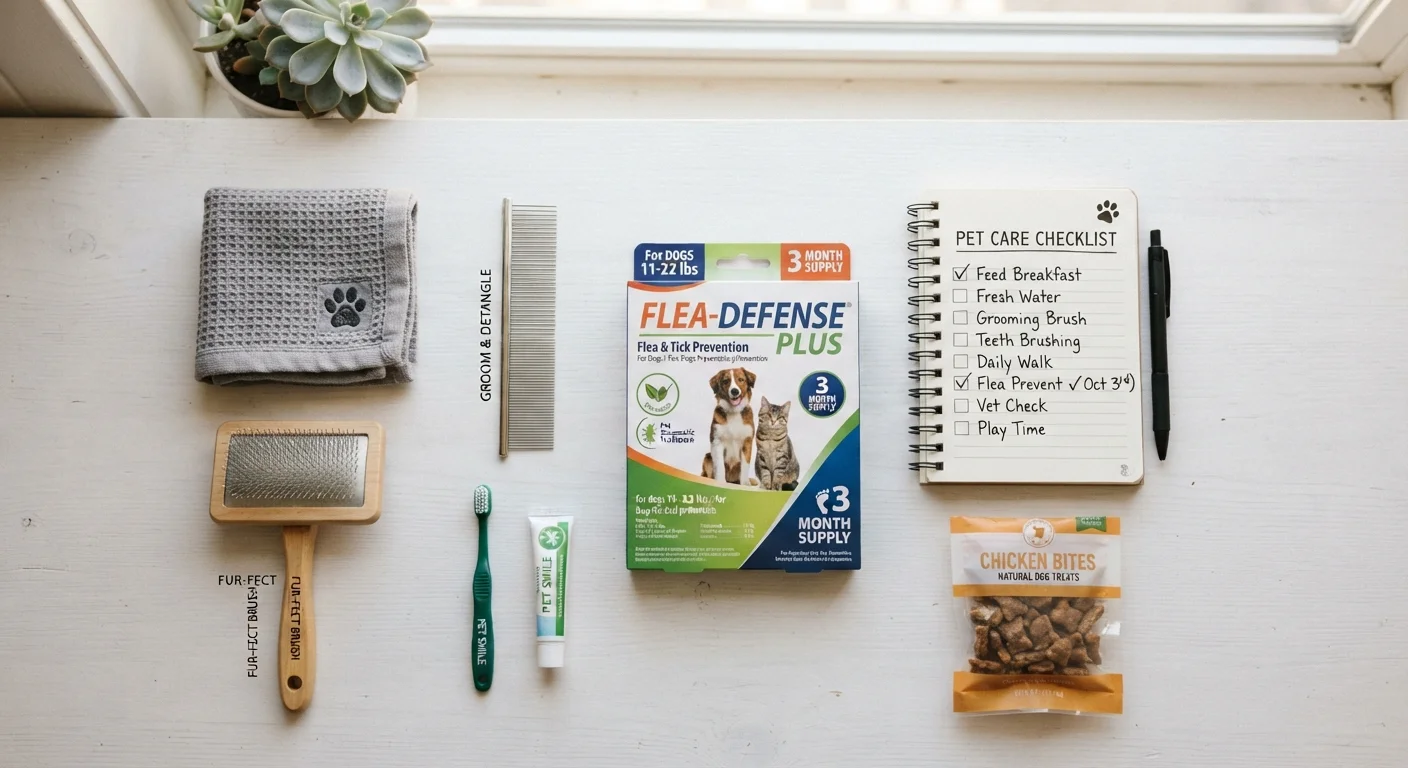
Incorporating dental checks into your monthly pet care routine keeps oral health on your radar between vet appointments.
What to Expect from Professional Veterinary Dental Cleanings
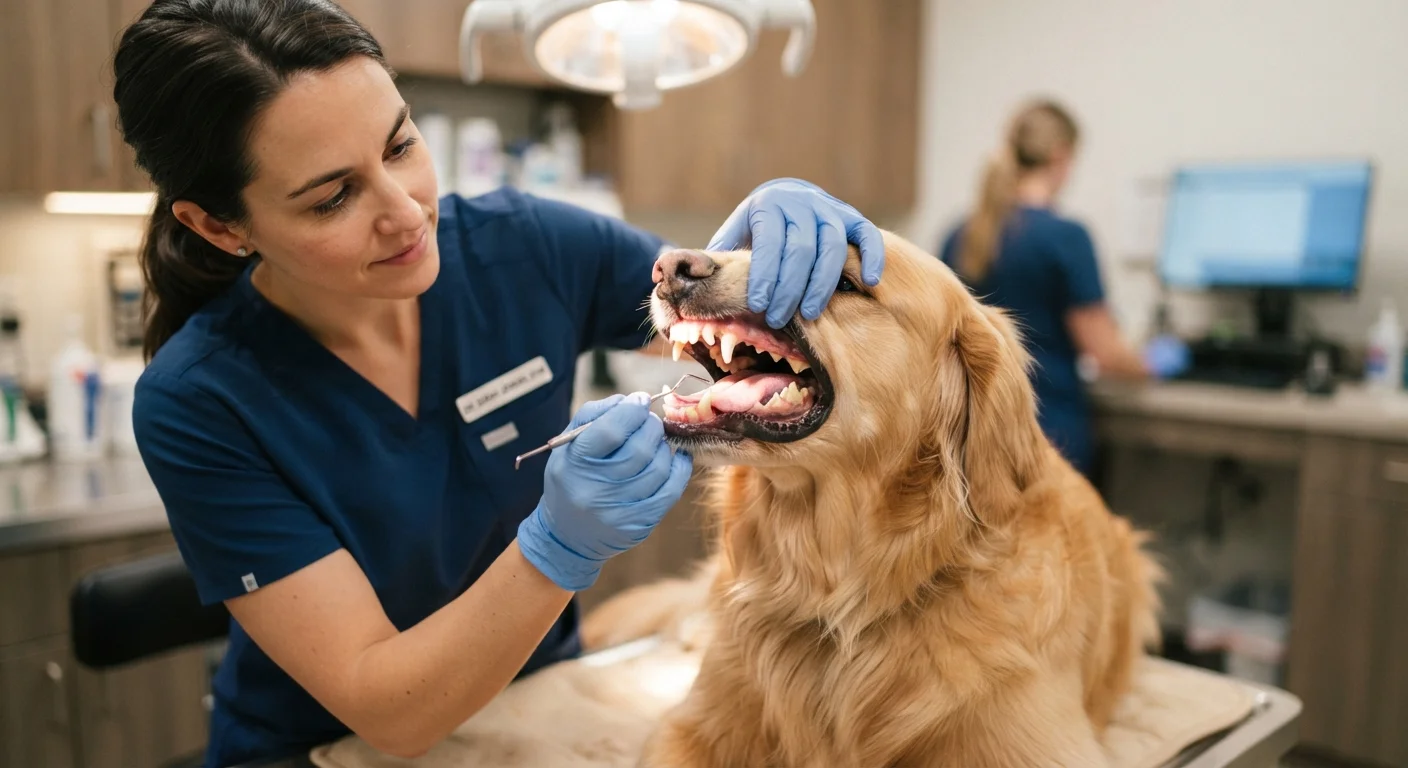
Home care alone cannot address tartar that has already hardened, or disease occurring below the gumline. Professional veterinary cleanings — performed under general anesthesia — are the only way to fully assess and treat the entire mouth, including probing around each tooth root for pockets of infection.
“Periodontal disease is the most commonly diagnosed disease in small animal practice — yet it remains the most undertreated. By the time most owners notice something is wrong, significant damage has already occurred below the gumline.”
— Board-Certified Veterinary Dentist, Diplomate, American Veterinary Dental College
Anesthesia allows the veterinarian to take dental X-rays, scale and polish all tooth surfaces including subgingival areas, and perform extractions when needed. Anesthesia-free dental cleanings, offered by some grooming services, remove only visible surface buildup and cannot address the disease occurring where it is most damaging — under the gums.
Most veterinarians recommend annual oral exams, with professional cleanings scheduled based on your pet's individual needs, breed, and disease stage. Small and toy breeds, as well as flat-faced (brachycephalic) breeds, are generally at higher risk and may need more frequent attention. Maintaining a healthy weight also supports overall wellness — learn more in our article on weight management in dogs and cats.
This article provides general educational information about pet dental health and is not a substitute for professional veterinary advice. Always consult a licensed veterinarian for guidance specific to your pet's health needs.