
Small Habits With Big Consequences
Most pet health problems don't arrive suddenly. They develop gradually — shaped by the small, repeated decisions owners make every single day. The difficulty is that many harmful habits feel caring in the moment: sharing a snack, skipping a vet visit because the pet "seems fine," or filling the water bowl without really thinking about it.
Veterinary professionals consistently flag a handful of these everyday habits as the ones most likely to shorten a pet's healthy years. Understanding why they're problematic — not just that they are — makes it easier to change course. For a broader foundation on daily pet care, the Pet Care Basics hub covers feeding, grooming, and routine maintenance in one place.
Feeding too much, too often — including excessive treats.
Why it happens: Owners associate food with affection, and many pet food labels overestimate appropriate portion sizes. Treats add hidden calories that rarely get counted.
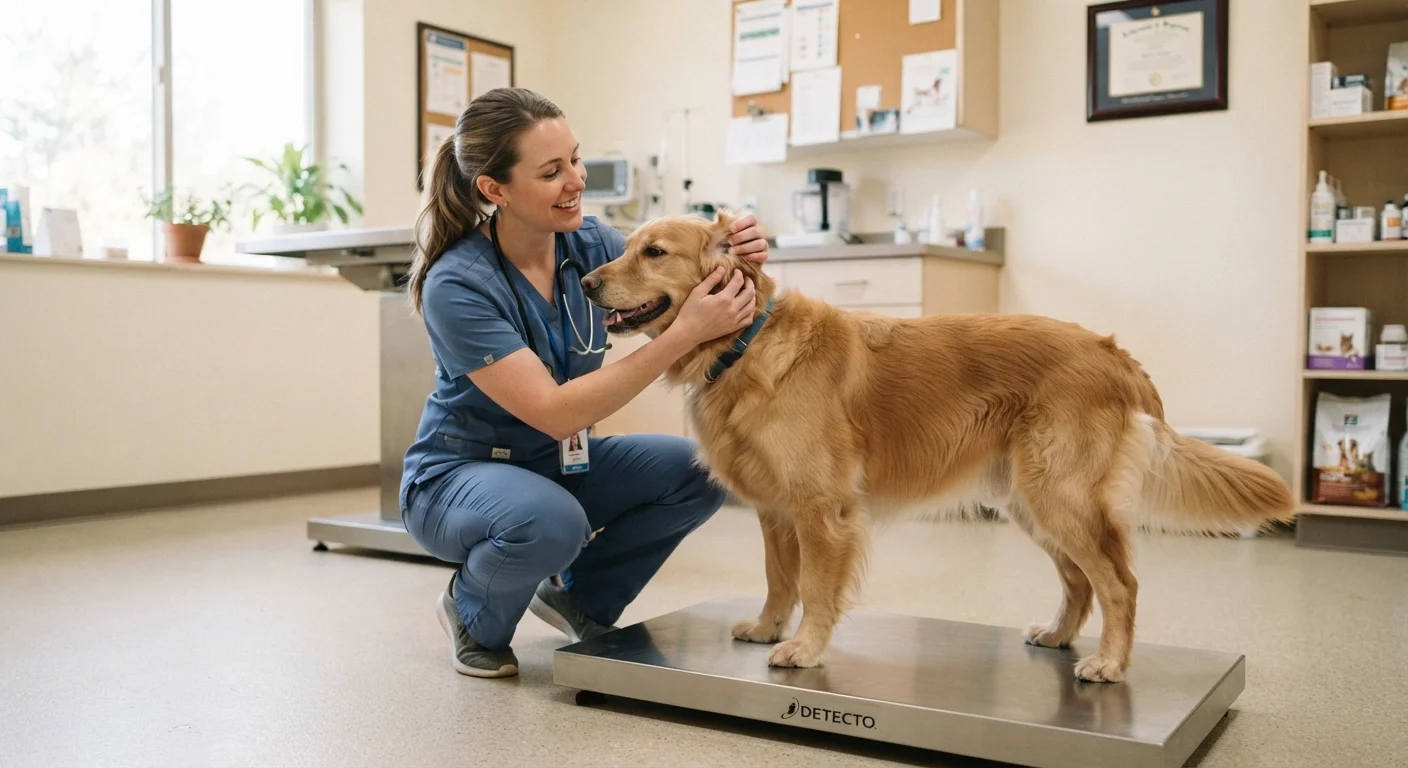
Skipping or postponing annual wellness exams when the pet seems healthy.
Why it happens: Many owners assume a vet visit is only necessary when something is visibly wrong. This reactive mindset means subclinical conditions — kidney changes, early dental disease, subtle weight shifts — go undetected.
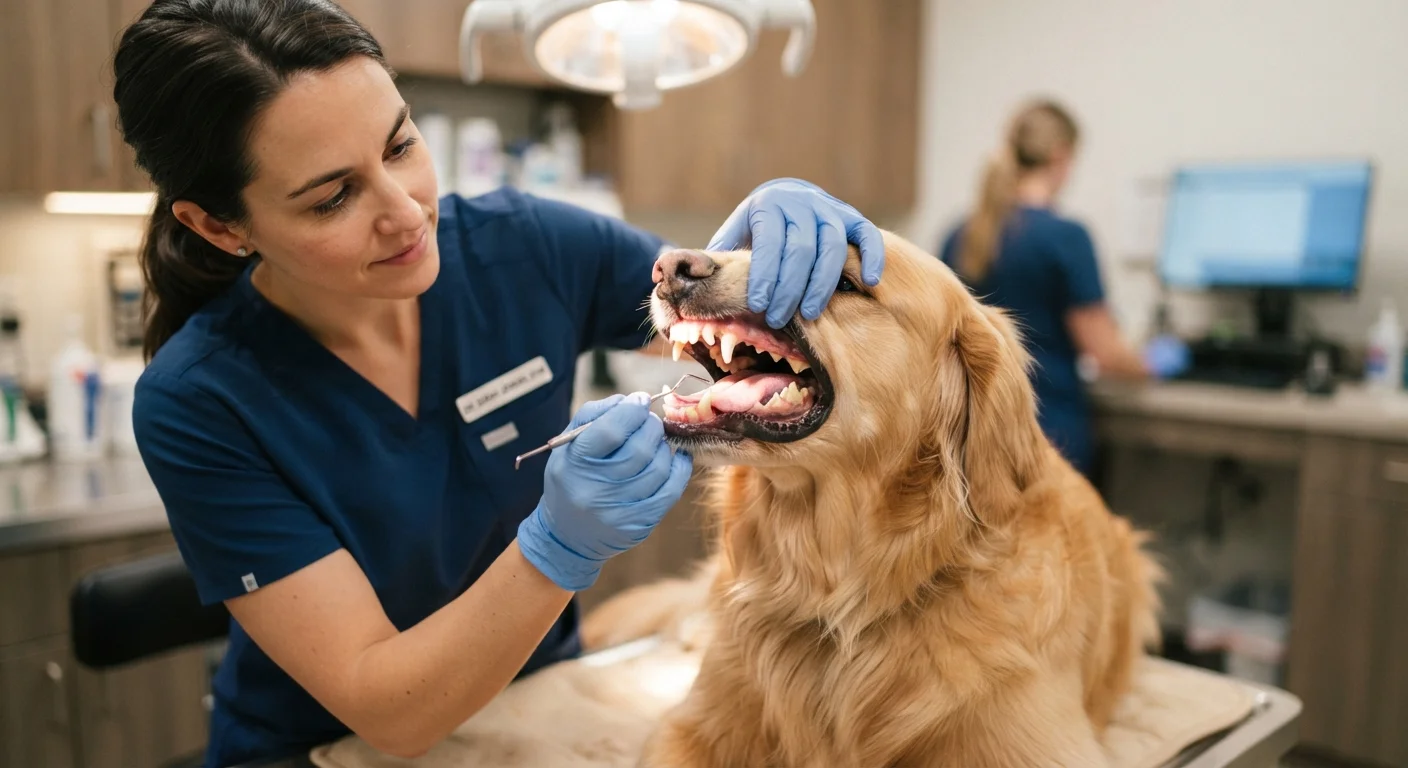
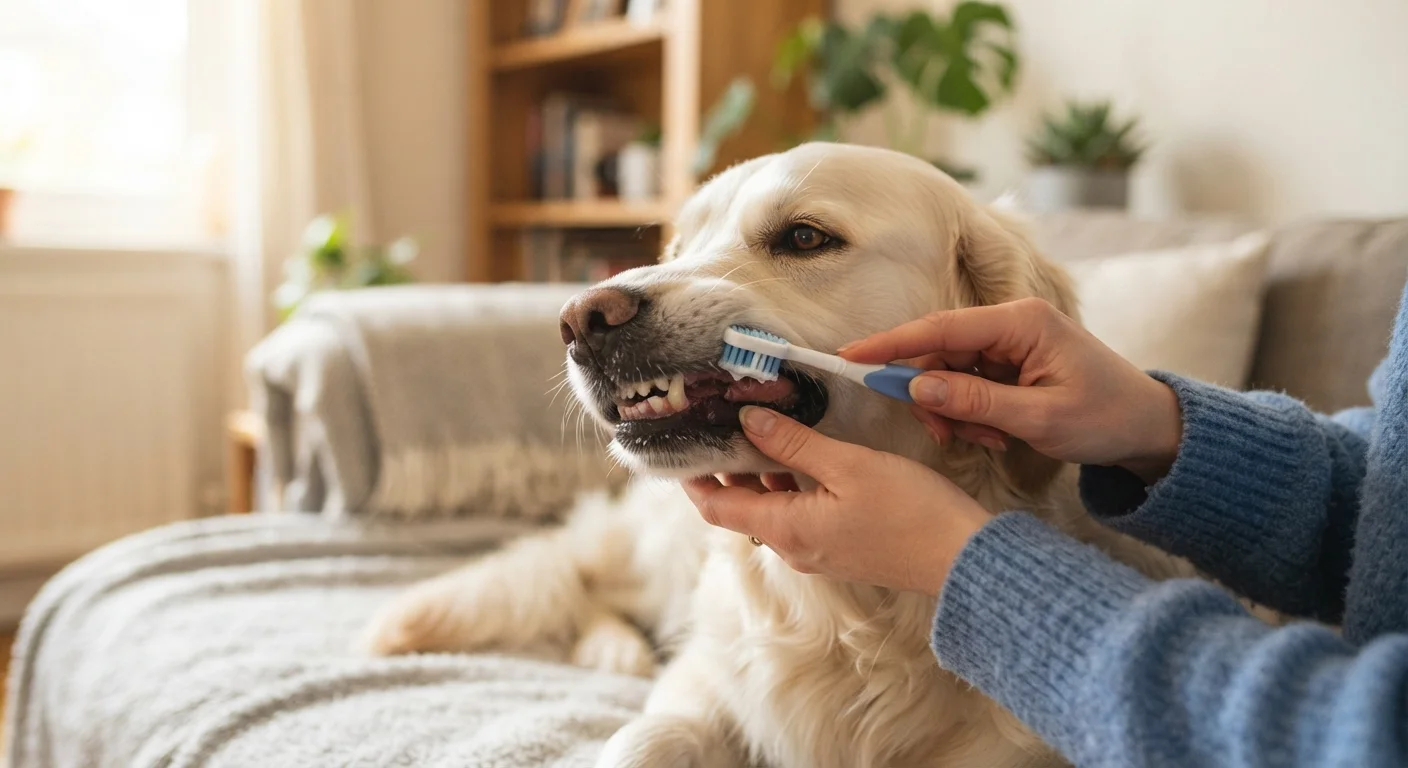
Neglecting daily dental care at home.
Why it happens: Tooth brushing for pets is widely perceived as optional or impractical. Many owners don't realize that by age three, the majority of dogs and cats already show signs of periodontal disease.
Leaving the water bowl full but rarely refreshed.
Why it happens: A bowl that looks full seems adequate. In reality, stale or room-temperature water discourages drinking, and pets — especially cats — are sensitive to water freshness and presentation.
Providing physical exercise but no mental stimulation.
Why it happens: The connection between physical activity and pet health is well understood, but mental enrichment is far less discussed. Owners often assume a long walk covers all of a pet's needs.
Giving human medications or foods without veterinary guidance.
Why it happens: When a pet appears uncomfortable, the impulse to help is immediate. Common human pain relievers and certain foods can seem harmless because they are safe for people.
Why Routine Vet Care and Dental Health Are Non-Negotiable
Two of the most impactful habits above — skipping wellness exams and neglecting dental care — are worth examining together, because they share a common thread: both feel optional until a problem becomes unmistakable.
Never Give Human Medications Without Vet Approval
Common over-the-counter pain relievers such as ibuprofen and acetaminophen are toxic to dogs and cats — even at doses that seem small by human standards. If your pet is in pain or discomfort, contact your veterinarian before administering anything. When in doubt, reach out to the ASPCA Animal Poison Control Center or a veterinary emergency clinic.
Annual wellness visits allow vets to establish a baseline for your individual pet. Changes in weight, organ function, or joint health are far easier to address when caught early. The what vets wish you knew about wellness exams article explains exactly what happens during these visits and why they matter beyond vaccinations.
On the dental side, periodontal disease doesn't stay confined to the mouth. Bacteria from inflamed gum tissue can enter the bloodstream and affect the heart, kidneys, and liver over time, according to veterinary dental researchers. The dental disease overview and the daily dental maintenance guide offer practical steps for building a home care routine.
~70%
Dogs over age three with dental disease
Veterinary dental organizations estimate a large majority of adult dogs show signs of periodontal disease by their third year.
~60%
US pets classified as overweight or obese
The Association for Pet Obesity Prevention has documented high rates of excess weight in American dogs and cats through annual clinical surveys.
Weight is another area where routine vet oversight pays dividends. The pet weight management guide explains how vets assess healthy body condition and why even modest excess weight raises disease risk in dogs and cats.
Finally, don't underestimate the role of mental health. Pets that lack stimulation often develop stress behaviors that owners misread as personality traits. The enrichment vs. exercise explainer breaks down how mental and physical engagement work together — and why both are essential.
This article is for general informational and educational purposes only. It is not a substitute for professional veterinary advice, diagnosis, or treatment. Always consult a licensed veterinarian with questions about your pet's health.