
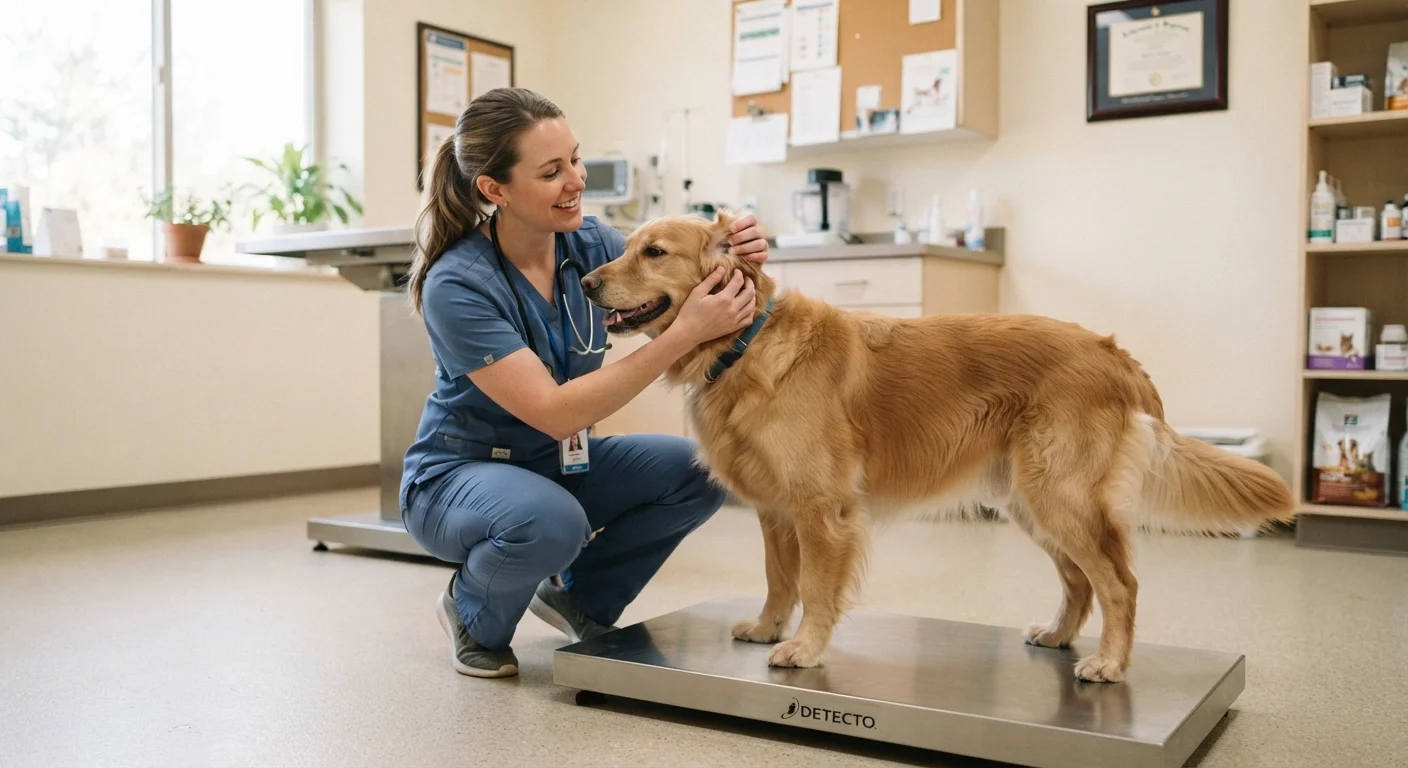
Why Pet Weight Matters Beyond Appearances
It's easy to dismiss a slightly chubby pet as harmless or even endearing, but veterinary research consistently links excess body weight to a range of serious health conditions. Overweight dogs and cats face higher risks of osteoarthritis, type 2 diabetes (particularly in cats), hypertension, respiratory difficulties, and certain cancers. Studies supported by the Association for Pet Obesity Prevention have estimated that the majority of U.S. dogs and cats are overweight or obese — a significant welfare concern that often goes unaddressed until symptoms appear.
For dogs, extra pounds place mechanical stress on joints that can accelerate the progression of arthritis. For cats, obesity is strongly associated with hepatic lipidosis (fatty liver disease) and feline diabetes. Beyond disease risk, overweight pets generally have reduced stamina and quality of life. The good news: modest, sustained weight reduction under veterinary supervision can meaningfully improve mobility, metabolic markers, and energy levels. This article is general health information — always work with your veterinarian on any specific plan for your pet.
See our guide to habits that quietly undermine your pet's health for a broader look at common oversights that compound weight-related risks.
How Vets Actually Assess Your Pet's Weight
The number on a scale tells only part of the story. Veterinarians rely on a standardized tool called the Body Condition Score (BCS) — a hands-on evaluation that rates a pet's fat coverage and muscle mass on a 9-point scale (1 = emaciated, 9 = severely obese), with 4–5 typically considered ideal. The BCS accounts for the fact that a 65-pound Labrador and a 65-pound Greyhound are in very different physical condition.
During a BCS assessment, a vet feels along the ribs, spine, and hip bones and visually evaluates waist definition from above and a tucked abdomen from the side. Owners can learn to do a basic version at home between appointments: you should be able to feel your pet's ribs with light pressure but not see them prominently. No visible waist or prominent fat deposits over the lower back and tail base are signs worth discussing with your vet.
~60%
U.S. dogs and cats estimated overweight or obese
According to ongoing survey data from the Association for Pet Obesity Prevention, a substantial majority of American dogs and cats are carrying excess body weight.
4×
Increased diabetes risk in obese cats
Veterinary internal medicine literature indicates obese cats may face roughly four times the risk of developing diabetes mellitus compared to cats at a healthy body weight.
Muscle condition scoring (MCS) is a related — and increasingly standard — evaluation that identifies muscle loss, which can be masked by fat in overweight animals or missed entirely in older pets losing muscle while appearing normal weight.
Best Practices for Managing Your Pet's Weight
Effective weight management in pets is not about crash diets or dramatic restriction — it's about consistent, evidence-informed habits maintained over time. The following practices reflect veterinary consensus on approaches that support healthy outcomes.
Establish a measured, consistent daily feeding routine rather than free-feeding.
Free-feeding — leaving food available at all times — makes it nearly impossible to track caloric intake and is a leading driver of obesity in cats especially. Structured meal times give you direct control over portions and help you notice early if your pet's appetite changes, which can itself signal health issues.
Count treat calories as part of your pet's daily caloric budget.
Treats are a frequent blind spot — owners often don't realize how quickly small snacks add up. Veterinary nutritionists generally suggest treats should account for no more than 10% of a pet's daily calories. High-value training treats, dental chews, and table scraps all carry caloric weight that compounds over time.
Tailor exercise to your pet's species, breed, age, and physical limitations.
A 10-year-old overweight Dachshund with early spinal disease needs very different activity than a healthy 3-year-old Border Collie. Inappropriate exercise can injure already-stressed joints. Low-impact movement — such as short, frequent walks or controlled swimming for dogs — tends to be better tolerated by overweight pets starting out.
Schedule regular weight checks — both at home and at the vet.
Monitoring progress is essential for knowing whether a plan is working and catching plateau periods early. Monthly weight checks allow for timely adjustments before several months of effort go unnoticed or off-track. Many veterinary practices welcome drop-in weight checks between full appointments.
Use a veterinary-formulated weight-management diet rather than simply reducing portions of a standard food.
Simply feeding less of a maintenance diet can create nutritional deficiencies — particularly for vitamins and minerals — while still not producing adequate weight loss. Veterinary weight-management diets are formulated to be lower in calories while maintaining complete and balanced nutrition, and some include higher fiber or protein levels that support satiety.
For guidance on reading pet food labels and understanding calorie density, see our breakdown of pet food nutritional labels. And if you're comparing diet formats, our article on dry, wet, and raw diets covers key differences in calorie and moisture content.
Quick Wins You Can Start This Week
You don't need to overhaul your entire routine overnight. Small, immediate changes can begin shifting your pet's trajectory — especially when combined with a veterinary check-in to set a realistic target weight and timeline.
Indoor Cats Face Unique Weight Risks
Cats that live exclusively indoors tend to be less physically active than outdoor cats, making calorie management especially important. Enrichment activities — puzzle feeders, wand toys, and vertical climbing spaces — can meaningfully increase a cat's daily movement. Our article on how lifestyle shapes long-term cat health explores how environment affects feline wellbeing more broadly.
This article is for general informational and educational purposes only and does not constitute veterinary medical advice. Always consult a licensed veterinarian before making significant changes to your pet's diet, exercise routine, or health management plan.