Why 'My Pet Seems Fine' Isn't Enough
One of the most common things veterinarians hear before a wellness exam is, "She seems perfectly healthy — do we really need to come in?" It's an understandable thought. If your pet is eating well, acting normally, and showing no obvious distress, a yearly appointment can feel unnecessary. But that intuition misunderstands what routine exams are actually for.
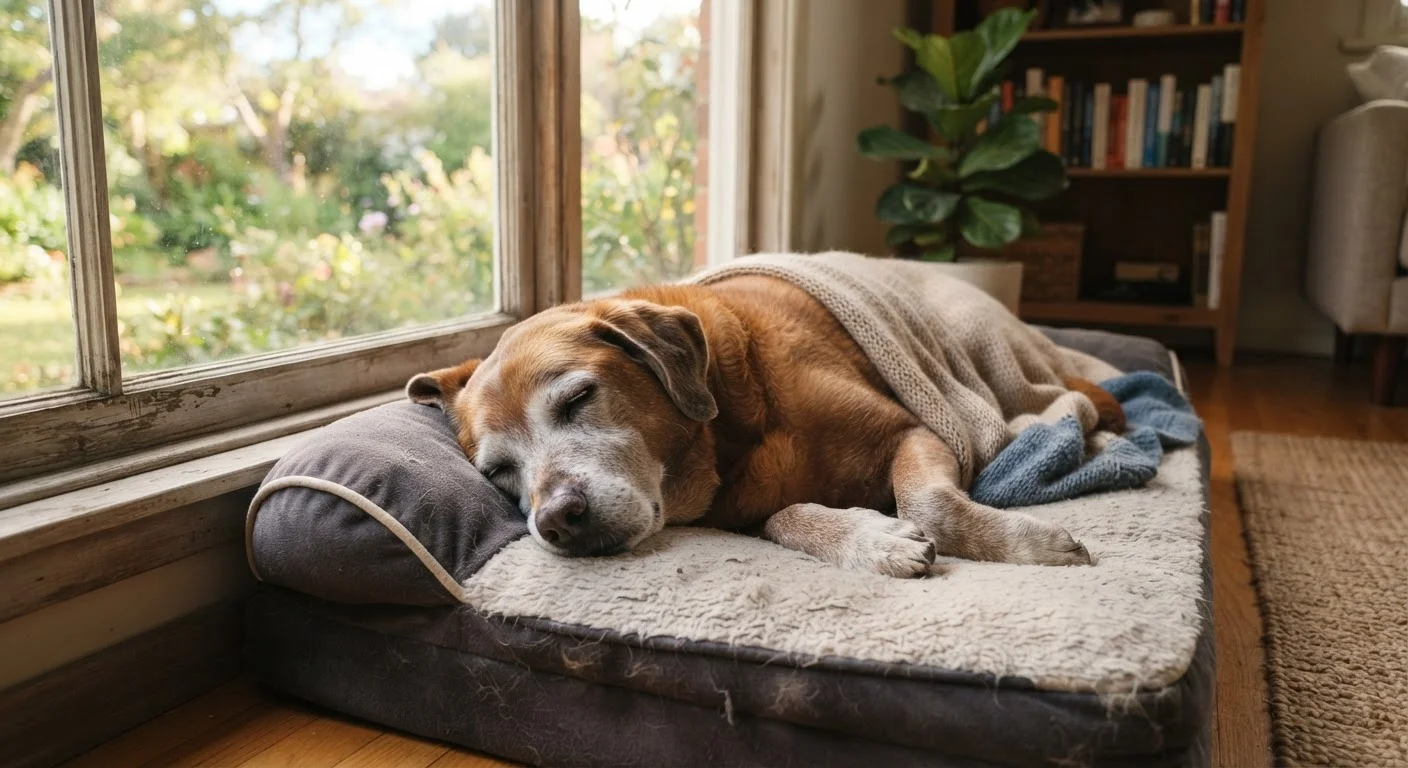
Pets are biologically wired to mask discomfort and illness. Cats especially tend to hide pain as an instinctive survival behavior, and dogs often maintain normal activity levels well into the early stages of chronic disease. By the time an owner notices something is wrong, conditions like early kidney disease, heart murmurs, or dental infections may have been developing for months or longer.
Annual wellness exams are the single most reliable tool veterinarians have for catching those silent problems early. They're not reactive visits — they're proactive ones. Think of them less like a doctor's appointment for a sick pet and more like a calibration check for a healthy one. For a deeper look at how everyday choices affect long-term pet health, see habits that quietly undermine your pet's health.
How often is 'annual' for your pet?
The word 'annual' is a general guideline, not a universal rule. Puppies and kittens require more frequent visits during their first year, while adult pets in good health typically benefit from yearly exams. Senior pets — generally those over seven years old — are often advised to come in every six months. Your veterinarian is the best source of guidance on the right schedule for your specific animal's age, breed, and health history.
What Vets Actually Want You to Know
Here are the key insights veterinarians most often wish their clients understood — not just about what happens during an exam, but about why each element matters for the long game of your pet's health.
The physical exam reveals things bloodwork alone cannot
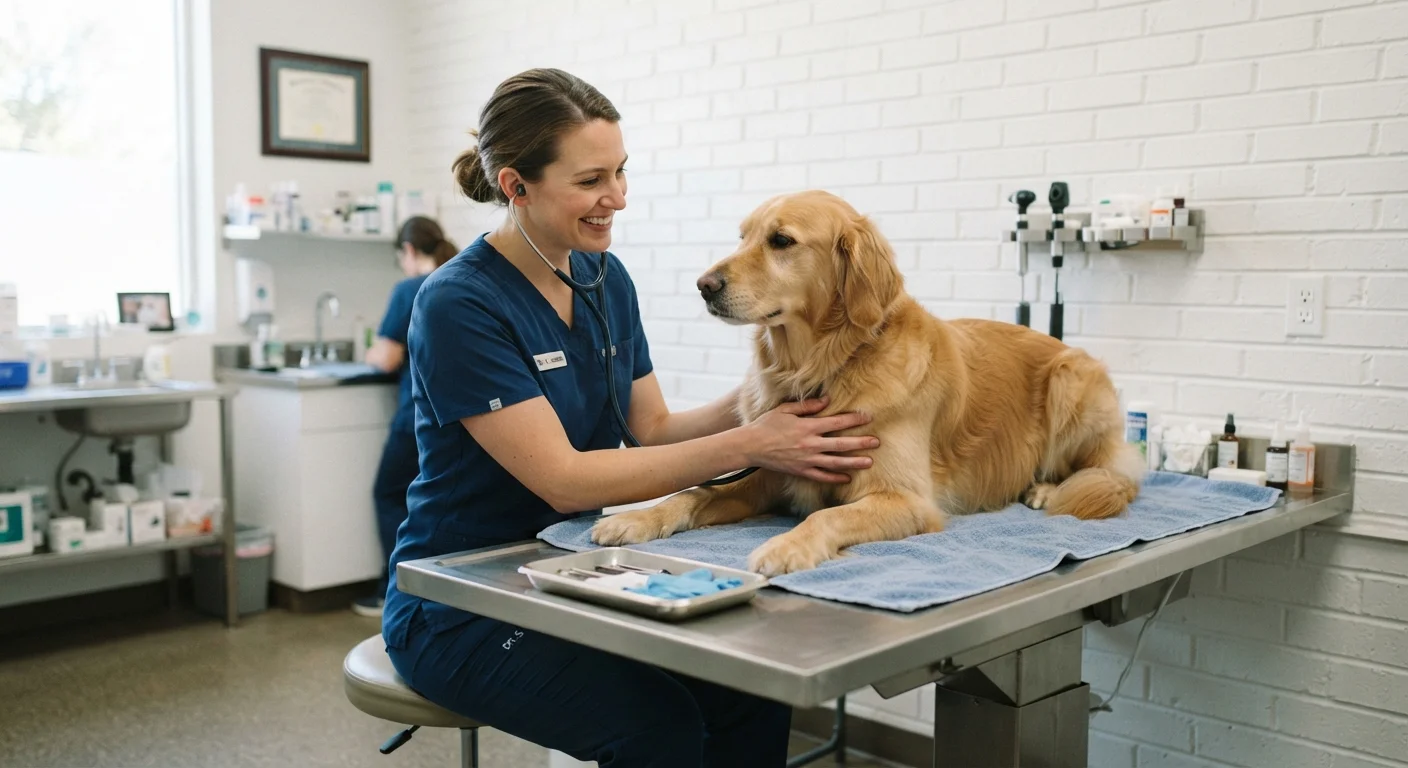
A hands-on physical examination — palpating the abdomen, listening to heart and lung sounds, checking lymph nodes, assessing coat and skin quality — gives veterinarians information that lab results can't replicate. A heart murmur, an enlarged spleen, or early signs of arthritis in the joints may be detected through touch and sound before any diagnostic marker shows up in a panel.
This is why the physical exam is the centerpiece of every wellness visit, not an afterthought before vaccines. Vets are trained to notice subtle asymmetries, temperature variations, and texture changes that owners would reasonably overlook.
A hands-on exam catches what lab results often cannot — subtle physical changes detected only through touch and sound.
Weight trends matter more than the number on the scale
Veterinarians track weight over time because gradual changes — even modest ones — can signal significant underlying issues. A cat that has lost half a pound over six months may not look dramatically different to an owner, but that pattern might indicate hyperthyroidism, diabetes, or early chronic kidney disease.
Similarly, gradual weight gain in dogs and cats is strongly associated with joint stress, metabolic disease, and reduced life expectancy. Because owners see their pets daily, the slow creep of weight change is easy to miss. Annual records create a baseline that makes trends visible.
Gradual weight loss or gain over months can indicate serious underlying disease that owners easily miss day to day.
Dental health is evaluated at every exam for good reason
Periodontal disease affects a majority of cats and dogs by age three, according to veterinary dental health resources — and most of those animals show no obvious discomfort. During a wellness exam, vets check for tartar buildup, gum inflammation, broken teeth, and early signs of oral infection.
Dental disease doesn't stay in the mouth. Bacteria from infected gum tissue can enter the bloodstream and affect the heart, kidneys, and liver over time. Catching dental disease early — and following through with professional cleanings when recommended — is one of the highest-impact preventive measures pet owners can take. Learn more about dental care as part of daily pet maintenance.
Untreated dental disease can affect the heart, kidneys, and liver — making oral checks a critical part of every exam.
Vaccine decisions are individualized, not one-size-fits-all
Wellness exams include a vaccine review, but most veterinarians approach this as an assessment rather than a standing order. Factors like your pet's age, lifestyle, geographic region, exposure risk, and prior vaccine history all influence which vaccines are appropriate and when.
Owners sometimes assume annual exams automatically mean a full round of injections. In practice, many core vaccines are administered on multi-year schedules once a pet's primary series is complete. The exam is the opportunity to review what's actually due and what your pet's individual risk profile looks like. For more context on this topic, common vaccine myths are worth understanding before your next appointment.
Vaccine schedules are individualized based on lifestyle and risk — not every pet needs the same shots every year.
Senior pets need more frequent monitoring, not less
Many owners assume that once a pet is older and stable, visits become less critical. Veterinarians generally recommend the opposite. Because older animals experience age-related changes in organ function, joint health, cognitive ability, and immune response at a faster rate, twice-yearly exams are often advised for dogs and cats over seven years of age.
Early detection of conditions like chronic kidney disease, arthritis, or cognitive dysfunction syndrome gives owners and vets more options for management and supportive care. The goal isn't just extending life — it's maintaining quality of life. See our guide on supporting a senior pet's comfort and health for what to expect as your animal ages.
Pets over seven often need twice-yearly exams — faster health changes mean more to catch between visits.
Parasite prevention is reassessed annually based on risk
Heartworm, fleas, ticks, and intestinal parasites are year-round concerns in many parts of the United States, and the right prevention plan depends on where you live, where your pet travels, and how much outdoor exposure they have. Wellness exams provide the opportunity to test for current infections and reassess prevention protocols based on updated risk.
Heartworm testing is recommended annually even for pets on prevention, because no preventive is 100% effective and early detection dramatically improves treatment outcomes. Your vet can also review fecal parasite screenings and recommend appropriate deworming if indicated. These details connect neatly with the monthly pet care checklist for dogs and cats.
Annual parasite screening and risk reassessment ensures your pet's prevention plan stays matched to real-world exposure.
Prepare a short list before every appointment
Write down any changes you've noticed in your pet's appetite, energy level, water consumption, or bathroom habits — even if they seem minor. Behavioral notes from home give your vet context that a clinic exam alone cannot provide. Bringing this list takes five minutes and can meaningfully improve the quality of your visit.
Making the Most of Every Visit
A wellness exam is a two-way conversation. Vets can assess what they observe in the clinic, but they rely on owners to fill in what only happens at home. Before your appointment, take a few minutes to jot down any behavioral changes, appetite shifts, new lumps, or changes in water intake or bathroom habits. Even small observations can be diagnostically useful.
For owners of aging animals, the health changes to expect in senior pets guide can help you identify what to watch for between visits. And if you're raising a young animal, the first-year health timeline for puppies and kittens offers a structured schedule to keep early care on track.
Routine wellness visits, vaccination reviews, and preventive screenings all connect to a broader system of care. Staying current on all of them — not just the ones that feel urgent — gives your pet the best foundation for a long, comfortable life.
This article is for general informational and educational purposes only. It is not a substitute for professional veterinary advice, diagnosis, or treatment. Always consult a licensed veterinarian regarding your pet's individual health needs.