
Why the First Year Sets the Foundation
The first twelve months of a puppy's or kitten's life are unlike any other period they'll experience. Organ systems mature, the immune system learns to defend itself, and lifelong behavioral patterns are wired into place — all simultaneously. Getting the health fundamentals right during this window gives your pet the strongest possible start.
Before any of this begins, having a plan in place matters. If you haven't already, see our new pet owner's roadmap for the supplies, vet contacts, and home setup you'll want ready before your pet even arrives. This timeline picks up from there.
Core vaccines
Vaccines considered essential for all puppies or kittens regardless of lifestyle, because the diseases they prevent are widespread, severe, or transmissible to humans.
Maternal antibodies
Protective proteins passed from a mother to her offspring through milk or before birth. They temporarily shield newborns but fade over weeks and can reduce vaccine effectiveness if timing is off.
Socialization window
A brief developmental period in early puppyhood and kittenhood when young animals are especially receptive to learning that new experiences are safe, shaping behavior for life.
Fecal test
A veterinary lab test on a stool sample that checks for the eggs or DNA of intestinal parasites such as roundworms, hookworms, giardia, and coccidia.
Spay / Neuter
Surgical procedures that remove a female pet's reproductive organs (spay) or a male pet's testes (neuter), preventing reproduction and offering certain health benefits.
Booster vaccine
A follow-up dose of a vaccine given after the initial series to refresh and maintain immune protection over time.
Weeks 6–16: Vaccines, Deworming, and Early Vet Visits
This is the most intensive period on your health calendar. Core vaccines for puppies — typically distemper, parvovirus, adenovirus, and eventually rabies — are given in a series rather than all at once. Kittens receive their own core series, commonly FVRCP (feline viral rhinotracheitis, calicivirus, and panleukopenia) plus rabies. Spacing these out every three to four weeks is essential because maternal antibodies from mom gradually fade and can interfere with vaccine effectiveness if given too early.
Intestinal parasites are extremely common in young animals. Roundworms and hookworms in particular can be passed from mother to offspring before birth or through nursing. Your vet will recommend a deworming protocol starting as early as two weeks of age for many kittens and puppies. Fecal testing at your first visit helps identify exactly what's present.
Start a Pet Health Folder Early
Keep a simple folder — paper or digital — with your pet's vaccine records, deworming dates, fecal test results, and vet visit notes. Having this information organized makes every future appointment faster and more productive. It's also essential if you ever need to board your pet, cross state lines, or see a specialist.
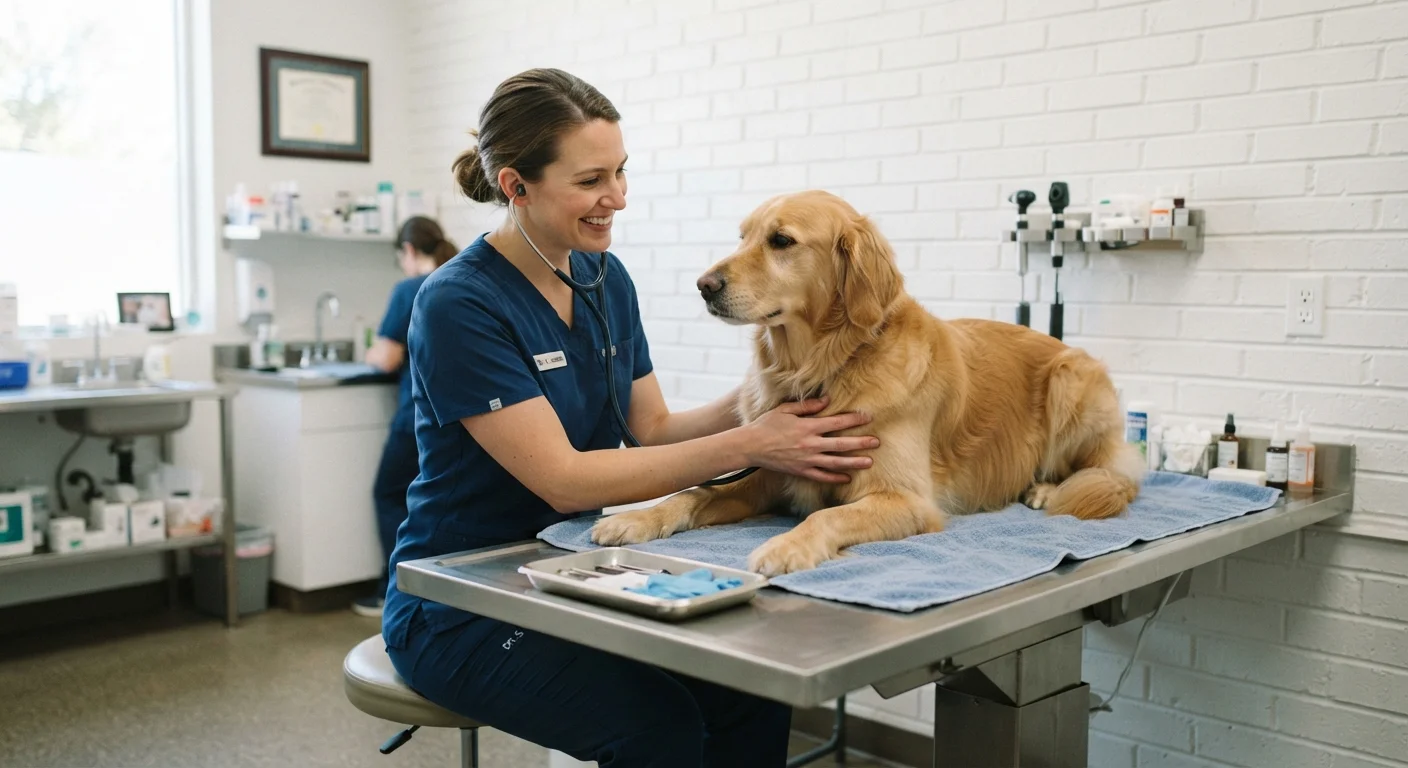
Bring any existing health records — including what vaccines or dewormers the breeder or shelter administered — to that first appointment. This prevents duplication and helps your vet build an accurate medical history from day one. For a full breakdown of what to expect when you walk through the door, see our guide on what happens during a wellness visit.
Months 4–6: Spay/Neuter, Socialization, and Parasite Prevention
By four to six months, most kittens and many small-to-medium dog breeds are approaching the window when spaying or neutering is commonly discussed. The procedure can reduce the risk of certain cancers and infections and prevents unintended litters. However, emerging research suggests larger dog breeds may benefit from waiting longer before the surgery, as sex hormones play a role in musculoskeletal development. This is a decision to make with your veterinarian based on your individual pet's species, breed, and health status.
Socialization deserves just as much attention as any vaccine. Between roughly 3 and 14 weeks, puppies and kittens are in a sensitive developmental window when new experiences leave a lasting impression. Gentle, positive exposure to different people, sounds, surfaces, and environments during this period tends to produce calmer, more adaptable adult animals. Puppy classes led by certified trainers are widely recommended by veterinary behaviorists as a way to combine socialization with foundational training.
Never Use Dog Flea Products on Cats
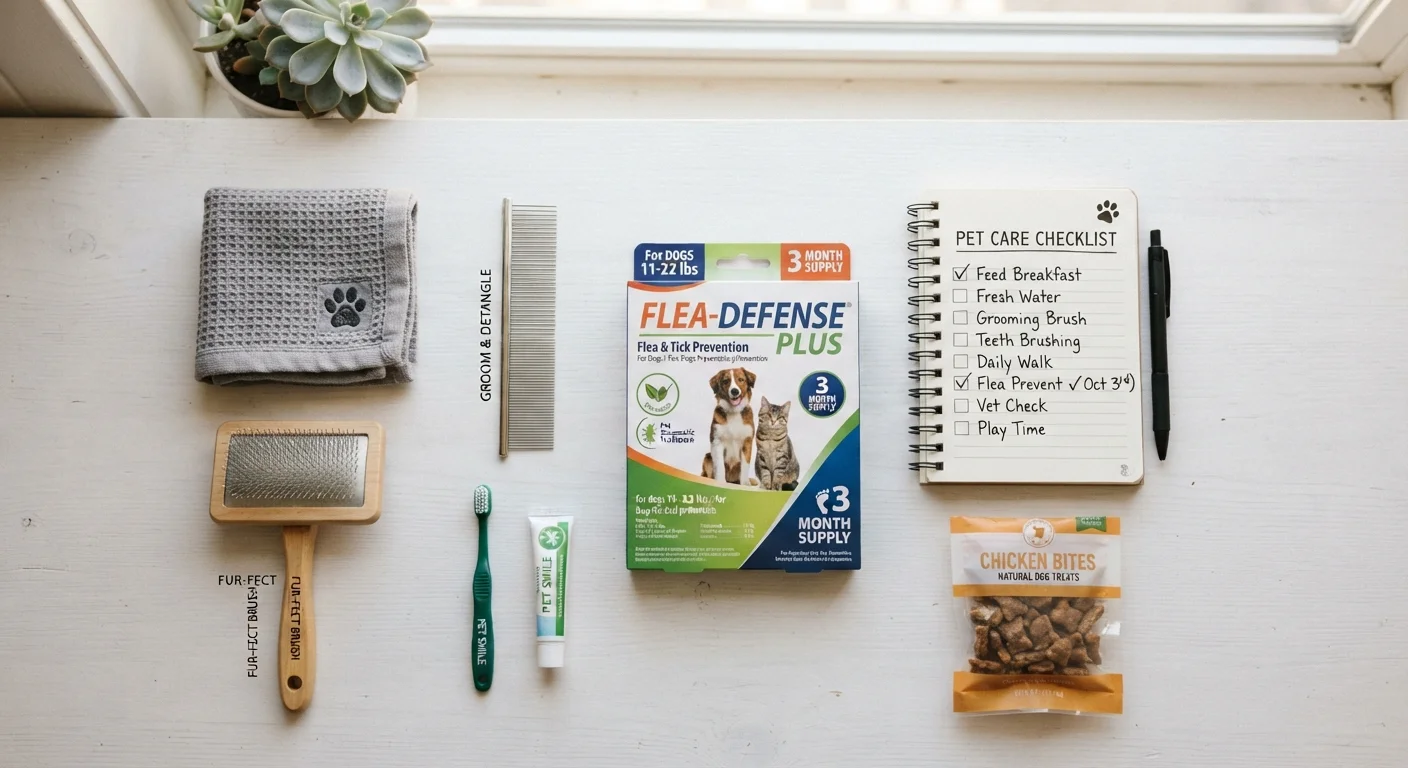
Many flea and tick preventatives formulated for dogs contain permethrin or other pyrethroids that are highly toxic to cats — even in small amounts. Always read labels carefully and confirm the product is labeled for your specific pet's species and weight. When in doubt, ask your veterinarian before applying any parasite prevention product.
Flea, tick, and heartworm prevention should be established by this stage if not earlier. Your vet will recommend products appropriate for your region and your pet's age and weight — never use a product labeled for dogs on a cat, as certain ingredients can be toxic to felines. For ongoing monthly reminders, our monthly pet care checklist can help you stay on track.
Months 6–12: Boosters, Nutrition, and Transitioning to Adult Care
Around the six-to-twelve-month mark, your pet receives final boosters to complete their juvenile vaccine series — and the one-year rabies booster if your local regulations require it. After this point, your pet shifts into an annual or triennial booster schedule depending on the vaccine type and your vet's protocol.
Nutrition also shifts. Puppy and kitten formulas are calorie-dense and designed to fuel rapid growth. As that growth rate slows — typically around 12 months for most cats and small dogs, and 18–24 months for large and giant dog breeds — continuing those high-calorie formulas can contribute to unhealthy weight gain. Transition to an adult formula gradually over seven to ten days to avoid digestive upset.
By month twelve, your pet is no longer a baby, but the habits you've built — regular vet visits, consistent parasite prevention, and thoughtful nutrition — carry forward for life. This is part of a much longer journey; our complete overview of routine pet care across life stages explains how needs continue to evolve from here. If you want to keep the day-to-day organized as your pet matures, the monthly pet care checklist for dogs and cats is a practical tool to keep nearby.
This article is for general informational purposes only and does not constitute veterinary advice. Always consult a licensed veterinarian for guidance specific to your pet's health, breed, and circumstances.