
Why Life-Stage Care Matters
Owning a pet is a long-term commitment that spans radically different biological phases. A six-month-old kitten and a twelve-year-old cat share the same species but have almost nothing in common when it comes to caloric requirements, vaccine schedules, joint health, or sensory capacity. Treating them identically is one of the most common — and avoidable — mistakes pet owners make.
The American Veterinary Medical Association and most veterinary schools organize pet care around three broad life stages: juvenile (puppies and kittens), adult, and senior. Each stage carries distinct nutritional benchmarks, recommended screening intervals, and behavioral considerations. Understanding these differences helps owners make proactive decisions rather than reactive ones. For a broader view of what thoughtful ownership looks like, see what responsible pet ownership really involves.
~70%
Dogs and cats with dental disease by age 3
The American Veterinary Dental College estimates periodontal disease affects the majority of companion animals by early adulthood.
2×
Recommended vet visit frequency for senior pets
Most veterinary guidelines recommend twice-yearly wellness exams once a dog or cat reaches senior status, compared to annually for healthy adults.
~56%
U.S. dogs and cats classified as overweight
The Association for Pet Obesity Prevention has consistently found that more than half of companion dogs and cats in the U.S. are overweight or obese.
The Young Pet: Puppies and Kittens
The juvenile stage is the most intensive period of veterinary contact. Puppies and kittens require a series of core vaccinations — typically beginning at six to eight weeks and continuing every three to four weeks until around sixteen weeks — to build immunity before maternal antibodies wane. Your veterinarian will establish a schedule tailored to your pet's species, lifestyle, and regional disease risks.
Nutrition during this stage must support rapid growth. Juvenile-formula foods are calorie-dense and contain calcium-to-phosphorus ratios calibrated for developing bones. Free-feeding (leaving food available all day) is generally discouraged; scheduled meals support healthy weight and make house-training more predictable.
Early socialization is equally critical. Exposing young pets to varied people, sounds, environments, and other animals during the sensitive socialization window — roughly three to twelve weeks in puppies, two to seven weeks in kittens — reduces fear-based behavioral problems later in life. This is also the right time to introduce grooming tools, nail trims, and tooth brushing so these tasks feel routine, not alarming.
Start Handling Drills Early
Gently touch your puppy's or kitten's paws, ears, and mouth every day during the first weeks at home. Pair each touch with a small treat and calm praise. This conditions your pet to tolerate — and even enjoy — grooming and veterinary handling for the rest of their life.
The Adult Pet: Maintenance and Prevention
Once a pet reaches adulthood — generally one to two years for dogs and cats depending on breed size — the focus of care shifts from development to long-term prevention. Annual wellness exams remain important even when a pet appears healthy; they provide a baseline and allow early detection of issues such as weight gain, dental disease, or heart murmurs.
Parasite prevention is a year-round responsibility. Heartworm, fleas, ticks, and intestinal parasites can affect indoor and outdoor pets alike. Your veterinarian can help you select an appropriate prevention protocol based on your geographic region and your pet's exposure level.
Adult pets should eat a maintenance-formula diet matched to their species, size, and activity level. Overweight pets face significantly elevated risks of diabetes, joint disease, and shortened lifespan, according to veterinary research. Body condition scoring — a simple visual and hands-on assessment — is a practical tool vets use to evaluate whether a pet's weight is appropriate.
Ask your veterinarian to perform a body condition score at every wellness visit and record the number, not just your pet's weight. A score of 4–5 out of 9 is ideal for most dogs and cats.
Weight alone does not account for differences in muscle mass versus fat. Body condition scoring provides a more accurate picture of nutritional status and is a validated clinical tool used in veterinary practice.
Start a brief daily grooming routine — even just two minutes of brushing — when your pet is a puppy or kitten. Doing this before they need it makes grooming a neutral experience rather than a stressful one.
Behavioral desensitization is far easier during the early socialization window. Pets introduced to handling early show measurably lower stress responses to grooming and veterinary examinations throughout life.
The Senior Pet: Adapting Care as Pets Age
Most veterinarians classify dogs and cats as senior when they reach the final third of their expected lifespan — roughly seven years for larger-breed dogs and ten years for cats, though definitions vary. At this stage, twice-yearly wellness exams are often recommended because age-related conditions can progress quickly between annual visits.
Common senior concerns include arthritis, kidney disease, hyperthyroidism in cats, cognitive dysfunction syndrome, and dental disease. Blood panels, urinalysis, and blood pressure measurement become routine components of senior wellness exams rather than diagnostic extras.
Diet adjustments are frequently warranted. Senior pets often benefit from lower-calorie, higher-fiber formulas if they are less active, or from increased protein if they are losing lean muscle mass — a condition called sarcopenia. Supplementation with omega-3 fatty acids is supported by some evidence for joint and cognitive health, but any supplement decisions should be made with veterinary guidance.
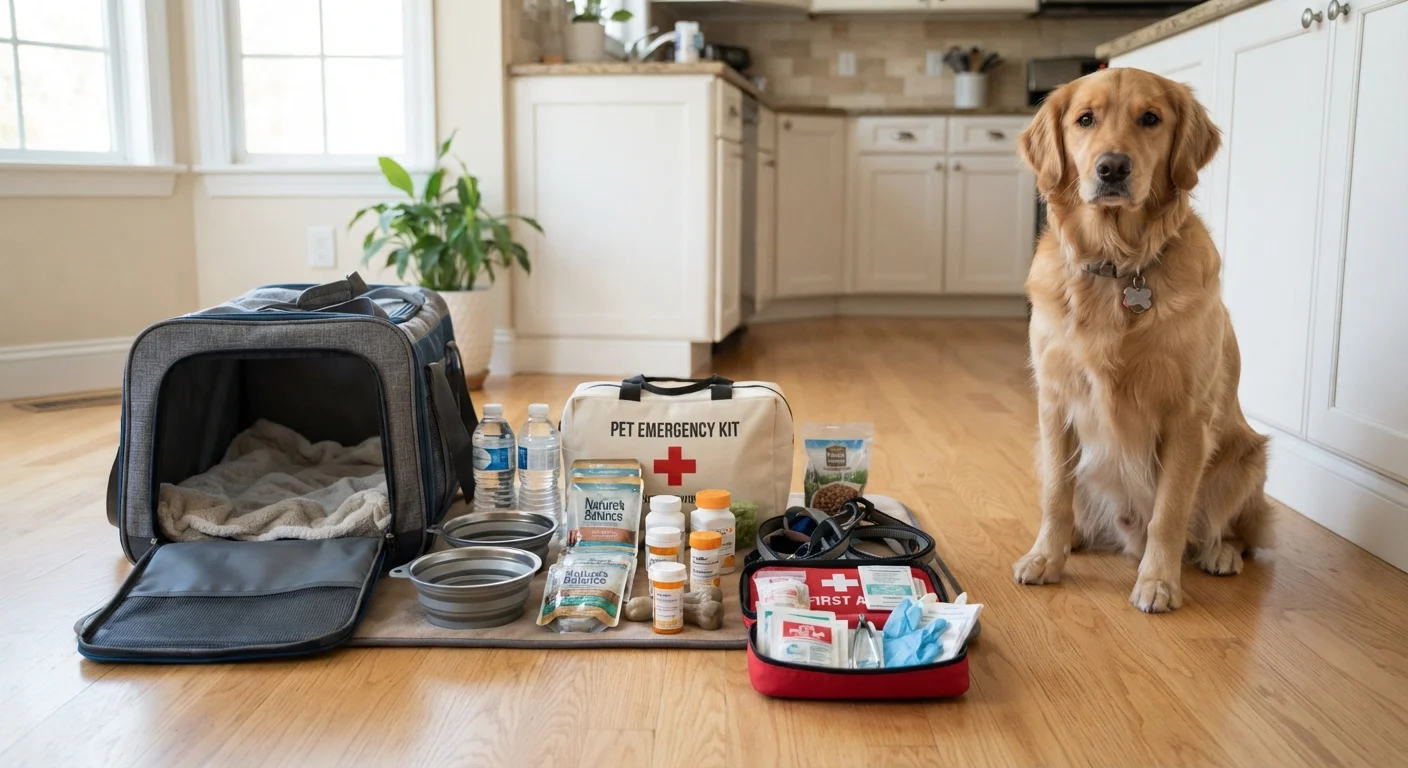
Mobility accommodations — ramps, orthopedic bedding, raised food bowls — can meaningfully improve daily quality of life. For guidance on planning ahead, including organizing medical records and emergency supplies, see our pet emergency preparedness guide.
Don't Dismiss Subtle Senior Changes
Increased thirst, altered litter box or bathroom habits, changes in appetite, or unexplained weight shifts in a senior pet can signal serious underlying conditions such as kidney disease, diabetes, or hyperthyroidism. These signs are easy to attribute to 'just aging,' but they warrant prompt veterinary evaluation rather than a wait-and-see approach.
Grooming and Dental Care Across Life Stages
Grooming needs evolve with age but are never optional. Young pets should be introduced to brushing, nail trims, and ear checks early and gently — short, positive sessions establish a tolerance that makes lifelong grooming far easier. Adult pets typically settle into a predictable coat-care and nail-trim schedule based on breed characteristics. Senior pets may develop mats more easily if arthritis limits self-grooming, requiring more frequent brushing and professional grooming support.
Dental disease deserves particular attention. The American Veterinary Dental College estimates that most dogs and cats show signs of periodontal disease by age three. Daily tooth brushing with a pet-safe toothpaste is the single most effective home prevention measure. Dental chews and water additives offer supplemental benefit but do not replace mechanical cleaning. Annual professional dental cleanings under anesthesia allow thorough scaling and examination of below-gumline tissue that home care cannot reach.
“Dental disease is the most underdiagnosed and undertreated condition we see in companion animals. By the time an owner notices bad breath, significant disease is usually already present below the gumline.”
— Board-Certified Veterinary Dentist, Diplomate, American Veterinary Dental College (representative perspective from specialty practice)
Building a Lifetime Veterinary Partnership
No guide replaces the relationship between your pet and a veterinarian who knows their history. Consistent care with the same practice allows clinicians to detect subtle changes over time — a slightly elevated kidney value, incremental weight loss, or a behavioral shift — that a one-time visit might miss.
Keep organized records of vaccines, parasite prevention, bloodwork results, and any medications. This documentation is invaluable during emergencies, when traveling, or when switching veterinarians. For a comprehensive resource on the full responsibilities of pet ownership, visit the Pet Ownership Tips hub, and for ongoing health guidance across species, explore the Pet Health hub.
Routine care is not glamorous, but it is the foundation on which a long, healthy, and comfortable life for your pet is built. Consistency, attentiveness, and a proactive partnership with your veterinarian are the three habits that make the greatest difference across every stage of your pet's life.
This article is for general informational purposes only and does not constitute veterinary medical advice. Always consult a licensed veterinarian for guidance specific to your pet's health, condition, and individual needs.