Why Age Seven Is a Meaningful Threshold
Veterinary professionals generally classify dogs and cats as senior starting around age seven, though this is a guideline rather than a hard rule. Large and giant dog breeds — those over 50 pounds — tend to age more quickly and may be considered senior as early as five or six. Small dog breeds and cats often remain physiologically younger into their late single digits. Understanding how care needs evolve across a pet's life stages helps owners shift their approach at the right time.
The biological changes that accompany aging are gradual and cumulative. Organ function — particularly kidney, liver, and cardiac efficiency — typically declines over time. Immune response slows. Metabolism shifts. Sensory capabilities like hearing and vision may diminish. None of these changes happens overnight, which is exactly why proactive monitoring matters more in the senior years than at any other stage.
Senior Care Requires Professional Guidance
The health changes described in this article are general in nature and are not a substitute for veterinary evaluation. If your pet shows sudden behavioral shifts, unexplained weight loss, difficulty breathing, or signs of pain, contact your veterinarian promptly. Only a licensed vet can diagnose conditions and recommend appropriate treatment for your specific animal.
Setting Up Your Senior Pet for Daily Comfort
Managing a senior pet's health well requires both professional veterinary oversight and thoughtful changes at home. The steps below walk through the key actions most likely to support your pet's comfort and longevity. Before beginning, gather the tools and resources that will make these adjustments sustainable.
What you will need
Orthopedic or memory-foam pet bed
Provides cushioning for joints affected by age-related arthritis or stiffness.
Pet ramp or low-profile steps
Helps senior pets access furniture or vehicles without stressing aging joints.
Raised food and water bowls
Reduces neck and shoulder strain during eating and drinking, particularly helpful for larger dogs.
Non-slip floor mats or rugs
Prevents slipping on hard floors, which can be hazardous for pets with muscle weakness or joint pain.
Digital pet scale or regular vet weight checks
Monitors weight trends over time, an early indicator of many age-related conditions.
Dental care kit (vet-approved toothbrush and paste)
Supports oral hygiene between professional dental cleanings.
Schedule a senior wellness exam with your veterinarian
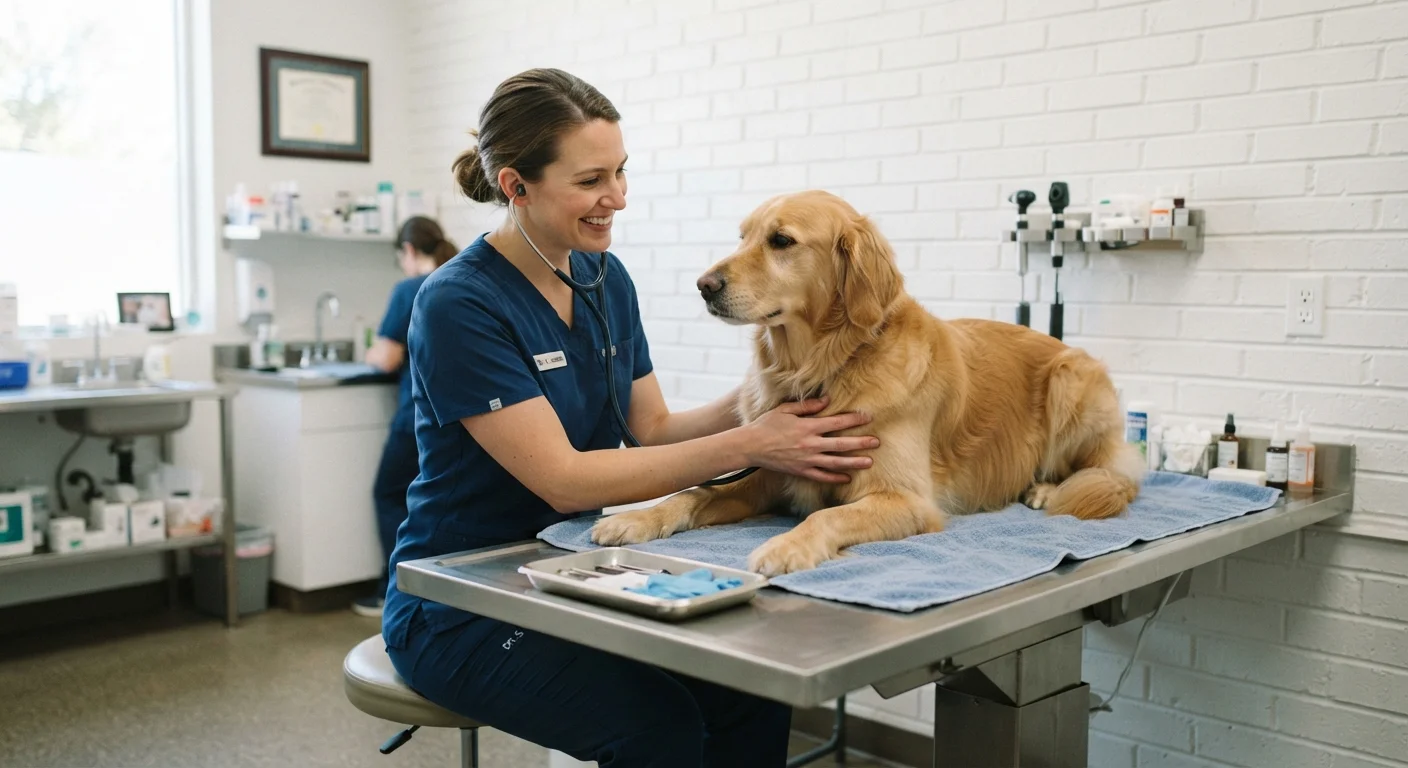
Once your dog or cat reaches age seven — or earlier for large and giant dog breeds — discuss transitioning to twice-yearly veterinary visits. These exams typically include a physical assessment, bloodwork, urinalysis, and blood pressure screening to catch age-related conditions before they become serious. See what vets wish you understood about wellness exams for context on what these visits involve and why they matter more as pets age.
Learn to recognize the most common age-related health changes
Knowing what to look for helps you act before problems worsen. Common senior pet health changes include:
- Joint stiffness and reduced mobility: Arthritis is very common in older dogs and cats. You may notice reluctance to climb stairs, difficulty rising, or a changed gait.
- Weight changes: Both unexpected weight gain and loss are meaningful signals. Gain may reflect reduced activity and metabolic slowing; loss can indicate dental pain, kidney disease, hyperthyroidism in cats, or cancer.
- Increased thirst and urination: These can signal diabetes, kidney disease, or Cushing's disease in dogs — all manageable with early intervention.
- Dental disease: The American Veterinary Medical Association estimates the majority of pets show signs of dental disease by age three; in seniors, this becomes a chronic concern affecting eating and overall health.
- Cognitive changes: Cognitive Dysfunction Syndrome (CDS) is a recognized condition in senior dogs and cats, causing disorientation, disrupted sleep cycles, and changes in social interaction.
Review our guide on signs your pet may be in pain to distinguish normal aging from signs that need prompt attention.
Adapt your home environment for comfort and safety
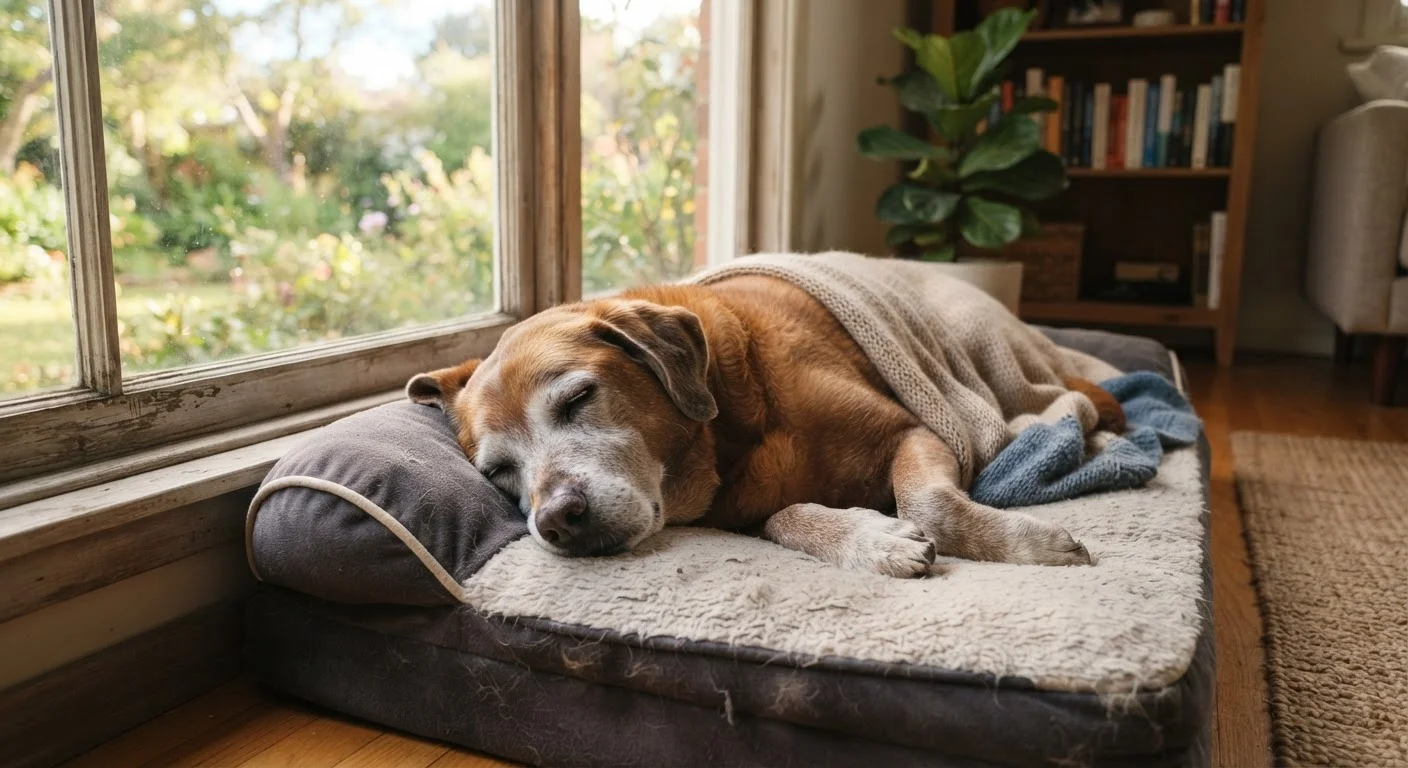
Physical modifications make a significant difference in a senior pet's daily quality of life. Place orthopedic bedding in warm, draft-free locations. Add non-slip mats on hardwood or tile floors where your pet walks most. Use ramps or low steps to reduce jumping strain. For cats, lower the sides of litter boxes or use entry-cut boxes so arthritic cats can get in and out without pain.
Adjust diet and feeding practices with veterinary input
Senior pets generally benefit from diet adjustments, but the right approach varies by individual. Your vet may recommend a senior-formulated food with adjusted protein levels, joint-supporting nutrients such as omega-3 fatty acids, or a prescription diet for kidney or metabolic conditions. Avoid making significant dietary changes without professional guidance, since some nutrients that seem helpful can stress already-compromised organ systems.
Be aware that everyday habits that seem harmless — like frequent table scraps or free-feeding — can quietly worsen weight-related and metabolic conditions in senior animals.
Maintain gentle, consistent exercise and mental engagement
Reduced mobility doesn't mean no activity. Regular, low-impact movement helps preserve muscle mass, supports joint health, and provides mental stimulation that can slow cognitive decline. Shorter, more frequent walks are often better than one long outing. For cats, gentle interactive play sessions with wand toys or puzzle feeders maintain engagement without overexertion. Always follow your vet's guidance on exercise limits, particularly if your pet has been diagnosed with a heart or joint condition.
Monitor closely and communicate changes to your vet promptly
Senior pet care is an ongoing process, not a one-time adjustment. Establish a habit of weekly observation: check for lumps or skin changes, note appetite and water intake, observe bathroom habits, and watch for behavioral shifts. The signs that warrant a vet visit rather than a wait-and-see approach become especially important as pets age, because many conditions that are subtle early on progress quickly in senior animals.
Keep a Simple Health Journal
Tracking your senior pet's weight, appetite, bathroom habits, and activity level in a basic notebook or app gives your vet valuable trend data between visits. Even brief notes — 'seemed stiff this morning,' 'drank more water than usual' — can help pinpoint problems earlier and make vet appointments more productive.
Don't Attribute All Changes to "Normal Aging"
It can be tempting to assume that slowing down or eating less is simply a natural part of getting older. However, these signs can indicate treatable conditions such as hypothyroidism, kidney disease, or arthritis. Always have a vet evaluate new or worsening symptoms rather than assuming they require no intervention.
This article provides general educational information for pet owners and is not a substitute for professional veterinary advice, diagnosis, or treatment. Always consult a licensed veterinarian with questions about your individual pet's health.