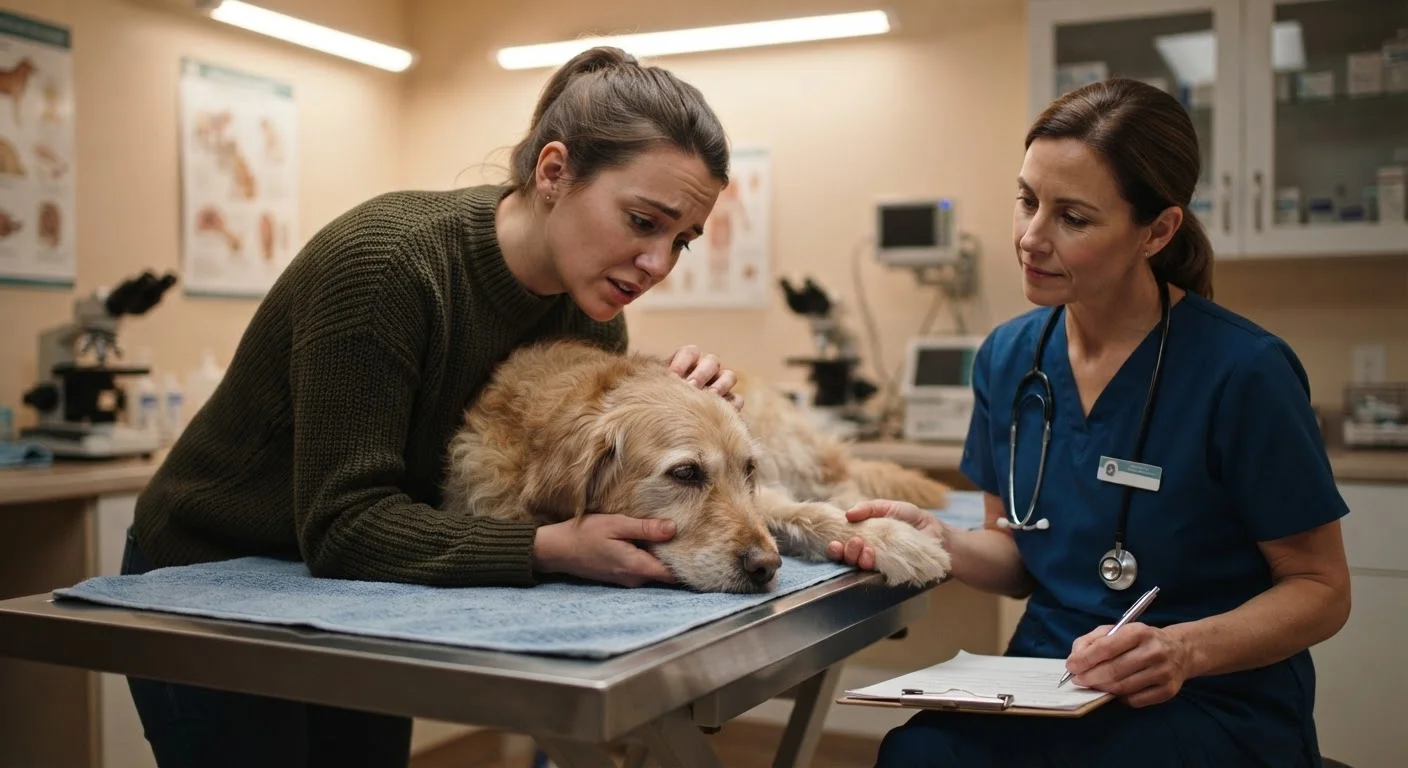

Why Pets Hide Pain — and Why That Matters
Dogs and cats are instinctively wired to mask discomfort. In the wild, showing weakness invites predation, so even domesticated animals often suppress obvious signs of pain until the problem becomes severe. This means pet owners carry a real responsibility: learning to notice the subtle shifts that signal something is wrong.
Pain in pets is not always a yelp or a limp. It can look like a cat spending more time alone, a dog that no longer jumps onto the couch, or an animal that flinches when touched in a certain spot. Understanding these signals lets you act before a condition worsens. For a broader look at when behavioral changes warrant professional attention, see recognizing when a pet needs a vet.
Feline Grimace Scale
A validated veterinary tool that assesses pain in cats based on facial action units — including ear position, orbital tightening, and muzzle tension. It was developed through peer-reviewed research and is used by veterinary professionals.
Musculoskeletal pain
Discomfort originating in the muscles, joints, ligaments, tendons, or bones. In pets, this often presents as limping, stiffness, or reluctance to move.
Acute pain
Pain that comes on suddenly, usually in response to injury or illness. It typically has an identifiable cause and may resolve once the underlying problem is treated.
Chronic pain
Persistent pain lasting weeks, months, or longer, often associated with conditions like arthritis or dental disease. It may be harder to detect because pets adapt their behavior gradually over time.
Referred pain
Pain felt in a location other than its actual source. A pet with kidney disease, for example, may show sensitivity along the back rather than the abdomen.
Key Behavioral Signs of Pain
Behavior is often the first thing that changes when a pet is hurting. Watch for the following:
- Withdrawal or hiding: A normally social animal retreating to isolated spots is a classic pain signal, especially in cats.
- Reduced activity or reluctance to move: Hesitating at stairs, refusing to jump, or lying down more than usual can indicate musculoskeletal discomfort.
- Changes in vocalization: Uncharacteristic whimpering, growling, or excessive meowing — or, conversely, becoming unusually quiet — can both signal distress.
- Aggression when touched: A pet that snaps, bites, or pulls away when you touch a specific area is communicating pain there.
- Restlessness or inability to settle: Pacing, shifting positions frequently, or an inability to get comfortable often reflects ongoing discomfort.
- Loss of interest in food or play: Pain suppresses appetite and motivation. If your pet stops eating, learn what that loss of appetite may indicate.
For deeper context on reading posture, ear positions, and body language cues, consult our pet body language quick-reference guide.
~80%
Cats with arthritis who show no obvious lameness
Research indicates the vast majority of arthritic cats do not limp, making behavioral cues the primary detection method.
1 in 5
Dogs estimated to experience arthritis at some point
According to resources from the Arthritis Foundation, joint disease is among the most prevalent chronic conditions in dogs.
Physical Signs You Can See or Feel
Beyond behavior, the body itself often reveals pain. Run your hands gently along your pet's body during calm moments so you become familiar with its normal state. Deviations become easier to notice when you have a baseline.
| Most common source of chronic pain in dogs | Osteoarthritis (joint degeneration) (American College of Veterinary Surgeons) |
| Most common source of chronic pain in cats | Dental disease and arthritis (American Association of Feline Practitioners) |
| Validated feline pain assessment tool | Feline Grimace Scale (Published in Scientific Reports, 2019) |
| Proportion of dogs over age 8 affected by arthritis | Estimated 1 in 5 dogs overall; higher in older dogs (Arthritis Foundation animal health resources) |
| Recommended action for limping lasting more than 24 hours | Veterinary evaluation (General veterinary consensus) |
- Localized swelling, heat, or tenderness: These can indicate injury, infection, or inflammation.
- Altered posture: A hunched back, tucked abdomen, or head held low can reflect abdominal or spinal discomfort.
- Changes in gait: Limping, toe-touching, or favoring one side are among the most recognizable pain indicators.
- Excessive grooming of one spot: Cats in particular will lick or chew at a painful area compulsively, sometimes to the point of hair loss.
- Rapid or shallow breathing at rest: Labored breathing without recent exercise may signal pain or a more urgent internal problem.
- Facial expression changes: Squinted eyes, flattened ears, and a tense muzzle are documented pain expressions in both dogs and cats, validated by tools such as the Feline Grimace Scale.
Older animals may show many of these signs as part of age-related conditions. Our guide on keeping a senior pet comfortable covers what to expect and how to support quality of life in aging dogs and cats.
When to Call Your Vet
Some situations call for same-day or emergency veterinary care. Do not wait if your pet shows any of the following:
- Difficulty breathing or open-mouth breathing in a cat
- Inability to walk or stand
- Suspected ingestion of a toxic substance
- Collapse, seizure, or extreme lethargy
- Visible wounds, trauma, or suspected bone fracture
- Straining to urinate or defecate without producing anything — this can be life-threatening, particularly in male cats
For signs that are concerning but not immediately alarming — a new limp, appetite loss lasting more than 24 hours, or uncharacteristic hiding — schedule a vet appointment within a day or two rather than waiting to see if things resolve on their own. Pain that is caught early is almost always easier to treat.
Foundational pet care guidance can help you build habits that make it easier to spot changes early. Also consider whether certain everyday routines may be contributing to your pet's discomfort; some common habits quietly undermine pet health without owners realizing it.
Pain Medications Are Not One-Size-Fits-All
Never give your pet human pain relievers such as ibuprofen, acetaminophen, or aspirin. Many are toxic to dogs and cats and can cause serious organ damage. Only administer medications prescribed or explicitly approved by your veterinarian for your specific animal. Dosing in pets is highly individualized.
This article is for general informational purposes only and is not a substitute for professional veterinary advice. If you are concerned about your pet's health, contact a licensed veterinarian.