Why Appetite Loss Deserves Attention
Food refusal is one of the most frequently reported concerns among pet owners — and one of the most ambiguous. A dog or cat turning away from the bowl could be responding to something as simple as a new food formula, or signaling something as serious as kidney disease or a gastrointestinal obstruction.
The challenge is that animals can't describe what they're feeling. Their behavior is the only diagnostic signal available to an owner. Understanding the common categories of causes helps frame when to watch and wait versus when to act quickly.
It's also worth noting that individual variation is real. Some pets are reliably enthusiastic eaters, and any deviation is conspicuous. Others are naturally more selective. Knowing your pet's baseline makes it easier to recognize a meaningful change.
True Anorexia vs. Pseudo-Anorexia
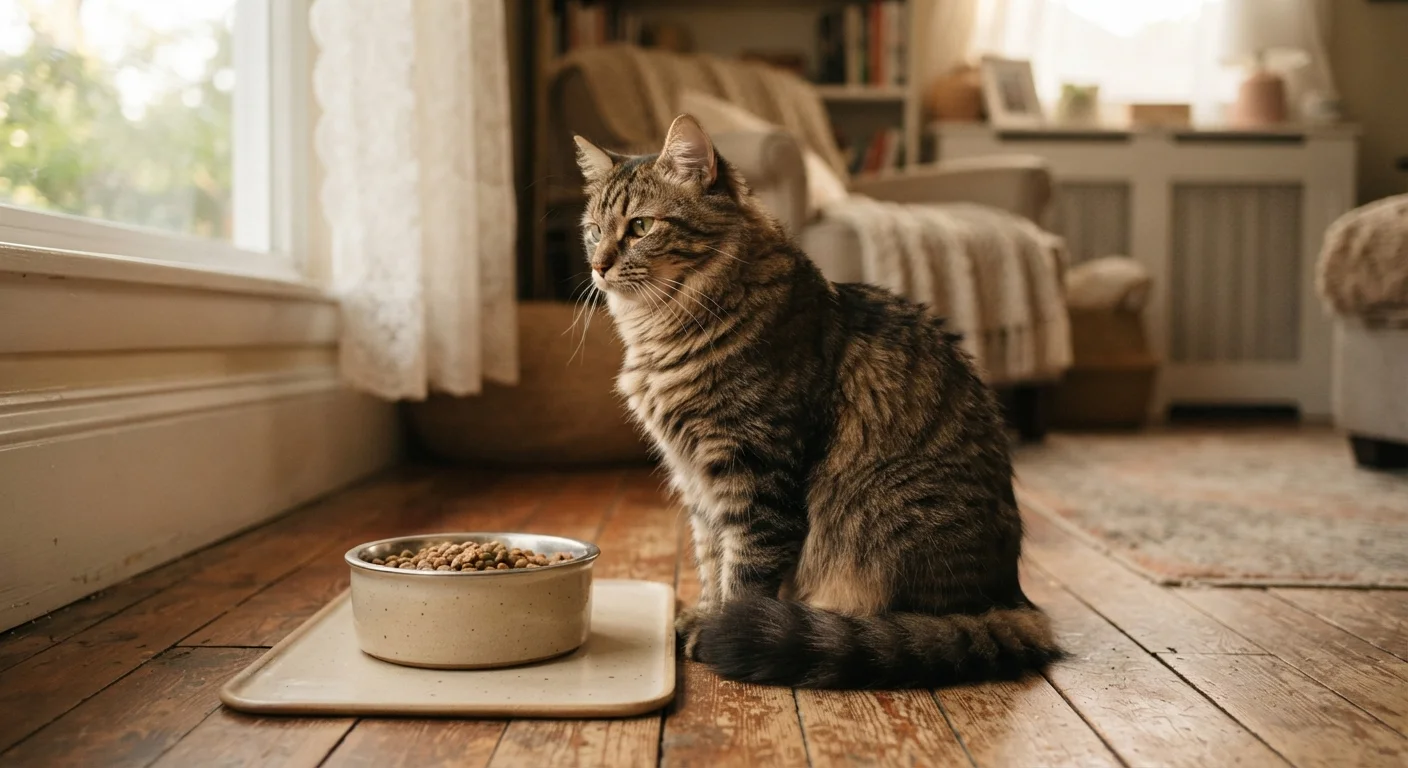
Not all food refusal looks the same. A pet that shows no interest in food at all is experiencing true anorexia. A pet that sniffs food eagerly, attempts to eat, but then backs away may have a physical reason it cannot eat comfortably — such as mouth pain or difficulty swallowing. Telling your vet which pattern you're seeing helps narrow down the cause significantly.
The Most Common Causes, Grouped by Type
Medical Causes
Illness is the most important category to rule out. Nearly any systemic disease can suppress appetite — including infections, kidney or liver disease, pancreatitis, cancer, hormonal disorders such as Addison's disease, and gastrointestinal problems. Pain from any source, including arthritis, also commonly reduces interest in food. For more on how pain manifests in animals, see our guide on signs your pet may be in pain.
Dental and Oral Pain
This is frequently underestimated. A pet with a cracked tooth, periodontal disease, or mouth sores may approach the bowl with apparent interest and then walk away — not from disinterest, but from pain. This is one form of what veterinarians call pseudo-anorexia.
Nausea
Nausea — whether from medication side effects, motion sickness, ingesting something irritating, or underlying illness — reliably suppresses appetite in both dogs and cats. A nauseous pet may also drool, lip-lick repeatedly, or seek out grass.
Behavioral and Environmental Causes
Stress is a legitimate appetite suppressor. Changes in household routine, the arrival of a new pet or family member, a recent move, or even a shift in where the food bowl is placed can trigger temporary refusal. Common everyday habits — such as feeding in a high-traffic area or inconsistent schedules — can also quietly affect eating behavior over time.
~30%
Cats affected by dental disease by age 3
According to the American Veterinary Dental College, the majority of cats and dogs show signs of dental disease by age three — making oral pain a commonly overlooked cause of appetite changes.
48–72 hrs
Window before hepatic lipidosis risk rises in cats
Veterinary internal medicine literature consistently identifies this time frame as the threshold after which prolonged food refusal in cats becomes a significant liver health risk.
Top 5
Reason dogs visit the vet annually
Appetite changes and gastrointestinal concerns consistently rank among the most common reasons for unscheduled veterinary visits in dogs, according to veterinary practice data.
The Special Risk for Cats
Cats occupy a different risk category than dogs when it comes to food refusal. When a cat stops eating — even for seemingly minor reasons — the body begins mobilizing stored fat for energy. If this process accelerates faster than the liver can process it, a dangerous condition called hepatic lipidosis (fatty liver disease) can develop.
Hepatic lipidosis can occur in as little as 48–72 hours in a cat that was previously overweight or is under significant stress. It is a serious, potentially fatal condition that requires veterinary treatment. For this reason, veterinarians consistently advise that cat owners should not take a "wait and see" approach beyond the first day or two of complete food refusal.
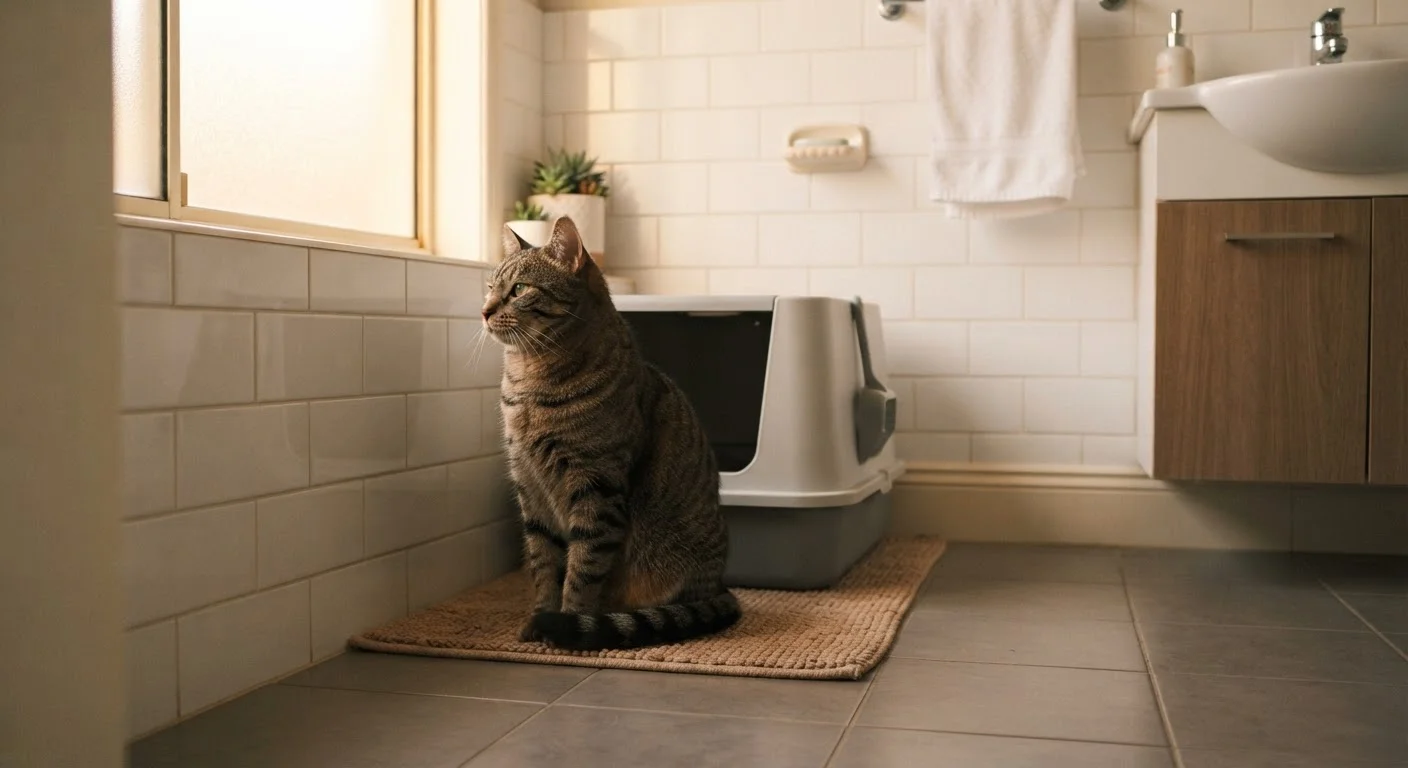
If your cat has also changed litter box habits alongside reduced eating, that combination warrants prompt attention — see our resource on litter box problems that signal something is wrong.
When to Call the Vet — and What to Tell Them
As a general guideline: healthy adult dogs that skip one meal but are otherwise alert and normal can typically be monitored for 24 hours before a vet call is needed. For cats, and for any pet that is very young, elderly, pregnant, or has a known health condition, contact your vet sooner.
Regardless of the time frame, contact your vet immediately if food refusal is accompanied by any of the following:
- Vomiting or diarrhea (especially repeated)
- Significant lethargy or weakness
- Distended or painful abdomen
- Pale, yellow, or bluish gums
- Difficulty breathing
- Known ingestion of a toxic substance or foreign object
When you call, your vet will find it helpful to know: how long the pet has refused food, whether there were any recent changes in the home, what the pet's last normal bowel movement looked like, whether the pet is drinking water normally, and any medications or supplements currently being given.
If you're unsure whether a symptom is urgent, our guide on recognizing when symptoms need professional attention offers practical guidance for making that call.
Keep a Simple Log Before Your Vet Visit
Note the exact time of the last normal meal, current water consumption, any recent household changes, and any other symptoms you've noticed. Even a brief written record shared with your vet shortens the diagnostic process and helps avoid overlooking important details.
“Anorexia in a pet is a symptom, not a diagnosis. Our job is always to find out what's causing it — because the range of possibilities is wide and the stakes can be high, especially in cats.”
— Veterinary Internal Medicine Specialist, Board-certified small animal internist, frequently cited in veterinary continuing education resources
What Not to Do While You Wait
While monitoring a pet that has gone off food, a few common instincts can make the situation harder to assess or treat. Avoid force-feeding, as this can cause aspiration and significant stress. Do not offer a stream of progressively richer foods (rotisserie chicken, deli meat, etc.) hoping to tempt eating — this may mask a medical problem and create a preference pattern that complicates future feeding. See common pet nutrition myths for more context on feeding decisions that can backfire.
Do not administer human medications such as antacids, anti-nausea drugs, or appetite stimulants without veterinary authorization — some are toxic to pets, and others may interfere with a diagnosis.
The most useful thing an owner can do while waiting for a vet appointment is observe and document: note the pet's energy level, water intake, bathroom habits, body posture, and any other changes. That record is genuinely useful clinical information.
This article is for general educational purposes and does not constitute veterinary medical advice. Always consult a licensed veterinarian for concerns about your pet's health.