Why Cats Stop Using the Litter Box
When a cat begins eliminating outside the litter box, the instinct is to treat it as defiance. But cats are not wired for spite. Litter box avoidance almost always points to a problem the cat is trying to communicate — whether physical discomfort, environmental stress, or a setup that simply doesn't meet its needs.
Pinpointing the cause requires looking at two separate categories: medical and environmental. Medical causes — including urinary tract infections, bladder inflammation, kidney disease, and arthritis — must be ruled out before any behavioral adjustment makes sense. A cat that associates the box with pain will avoid it even after the pain resolves, a learned aversion that can persist for weeks.
If your cat's habits have shifted noticeably, the signs your pet may be in pain are worth reviewing alongside the litter box patterns you're observing.
Rule Out Medical Causes First
Urinating outside the litter box — especially in small, frequent amounts — can indicate a urinary tract infection, bladder stones, or feline idiopathic cystitis. In male cats, a blocked urethra is a life-threatening emergency. If your cat's habits change suddenly, contact your veterinarian before assuming a behavioral problem.
Common Mistakes Owners Make — and How to Fix Them
Most litter box problems are solvable once you identify the friction point. The mistakes below represent the most common oversights veterinary behaviorists and shelter workers encounter. Work through each systematically before concluding the issue is purely behavioral.
Not cleaning the litter box frequently enough.
Why it happens: Owners often underestimate how sensitive cats are to odor. What smells faintly unpleasant to a human can be overwhelming to a cat's far more acute sense of smell.
Using a litter box that is too small for the cat.
Why it happens: Many commercially available boxes are sized for kittens, not full-grown cats. Owners buy one box and keep it for years without reassessing whether it still fits.
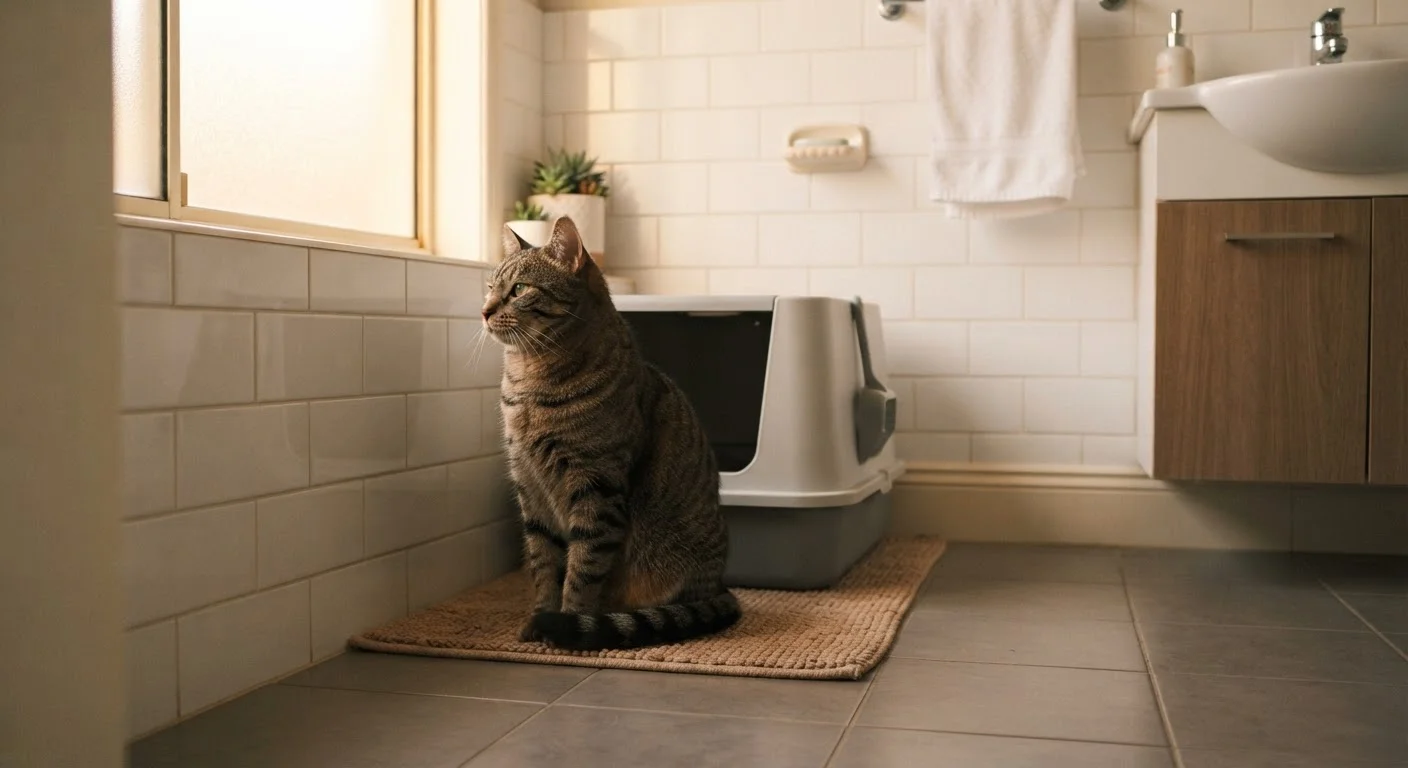
Placing the litter box in a noisy, high-traffic, or inaccessible location.
Why it happens: Owners often tuck boxes out of sight near appliances or in basements for convenience, without considering that sudden noises or physical barriers can make cats feel trapped or startled.
Switching litter types abruptly or using heavily scented varieties.
Why it happens: Owners assume scented litters improve the experience for everyone — but they're designed for human preferences, not feline ones. Sudden texture changes also confuse cats who have built a strong substrate preference.
Not providing enough litter boxes in multi-cat homes.
Why it happens: Many owners assume cats will share without issue. In reality, a dominant cat may guard a box, leaving another cat no safe option.
Ignoring litter box changes as a signal of pain or illness.
Why it happens: Owners often interpret avoidance as a behavioral problem and try behavioral fixes — new litter, new location — without first considering a medical cause.
Changes in elimination habits don't always happen in isolation. If your cat is also eating less or grooming differently, those patterns together provide more diagnostic information. See what it usually means when a pet stops eating for additional context on reading multi-symptom changes.
Never Punish Litter Box Avoidance
Scolding or physically redirecting a cat to the litter box after an accident increases stress and can make the problem worse. Cats do not connect punishment to a past action the way humans expect. Focus instead on identifying and removing the underlying cause.
Setting Up for Long-Term Success
Getting the litter box situation right isn't a one-time fix — it requires periodic reassessment as your cat ages, your household changes, or stress levels fluctuate. A setup that worked for a kitten may be poorly suited to a senior cat with joint stiffness. A single box that worked before a second cat arrived may now be a source of conflict.
Review the setup every few months: Is the box still large enough? Is the location still low-traffic? Is the litter still the type your cat prefers? Small adjustments often prevent problems before they start. Broader everyday habits that can quietly affect your pet's health are worth examining alongside your litter box routine.
This article provides general information for educational purposes and is not a substitute for professional veterinary advice. If your cat's litter box behavior changes suddenly or you notice signs of straining or distress, contact your veterinarian promptly.