
Why Pet Nutrition Myths Are So Hard to Shake
Pet owners want the best for their animals, and that genuine care creates fertile ground for misinformation. Marketing language on packaging, social media influencer advice, and anecdotal success stories from fellow owners all compete with — and sometimes drown out — peer-reviewed veterinary guidance. The result is a landscape where certain beliefs about animal nutrition persist long after the evidence has moved on.
This article examines some of the most widespread pet nutrition myths, explains what the science actually shows, and points toward more grounded approaches to feeding. For a deeper look at how to read commercial pet food packaging critically, see our guide to understanding nutritional labels.
Myth
Grain-free diets are healthier for dogs because grains are unnatural fillers that dogs can't digest.
Fact
Dogs digest grains well, and grain-free diets have been associated with a serious heart condition called dilated cardiomyopathy (DCM) in some cases.
Domestic dogs have evolved alongside humans for thousands of years and possess genetic adaptations — including additional copies of the amylase gene — that allow them to digest starch efficiently. Grains such as rice, oats, and barley provide digestible carbohydrates, fiber, and micronutrients. The U.S. Food and Drug Administration (FDA) has investigated a potential link between grain-free diets (particularly those high in legumes and potatoes) and DCM, a potentially fatal heart condition. While the mechanism is still being studied, veterinary cardiologists and nutritionists have broadly advised caution with these diets, especially for breeds already predisposed to DCM.
Myth
Raw meat diets are closer to what animals eat in the wild, so they must be better for domestic pets.
Fact
Raw meat diets carry real contamination risks and are often nutritionally unbalanced unless carefully formulated by a veterinary nutritionist.
The American Veterinary Medical Association (AVMA) and the Centers for Disease Control and Prevention (CDC) have both raised concerns about raw meat diets due to the documented risk of Salmonella, Listeria, E. coli, and other pathogens — not just for pets but for the humans who handle the food or come into contact with the pet's saliva and feces. Beyond safety, homemade raw diets that haven't been formulated by a credentialed nutritionist frequently show calcium-phosphorus imbalances and deficiencies in vitamins and trace minerals. The 'wild diet' comparison also overlooks that wild animals have shorter lifespans and suffer significant disease burdens that their diets do not protect against.
Myth
The first ingredient on a pet food label tells you everything you need to know about diet quality.
Fact
Ingredient lists are ordered by pre-cooking weight, which can be misleading — a single named meat may rank first while multiple carbohydrate or filler sources together outweigh it.
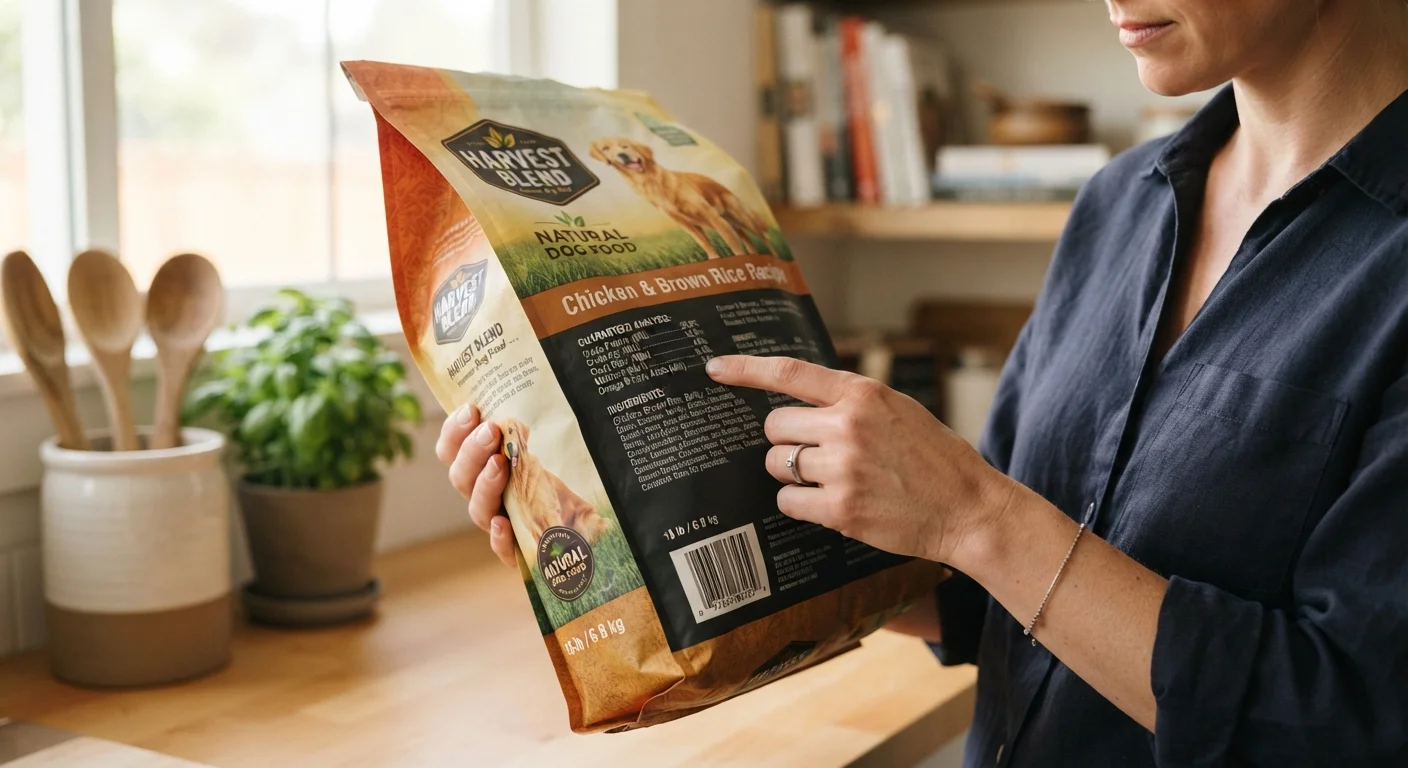
Pet food labeling rules require ingredients to be listed in descending order by weight before processing. Because fresh meat contains a high percentage of water, it weighs more in its raw state than after cooking — which means "chicken" may appear first on a label, but the actual dry-weight contribution of chicken meal or other ingredients further down the list can be substantial. A more reliable approach is to look at the guaranteed analysis panel (showing protein, fat, fiber, and moisture percentages) alongside the ingredient list, and to verify that the food meets AAFCO nutritional standards for your pet's life stage. Our label-reading guide walks through this in more detail.
Myth
Cats and dogs can eat the same food because they have similar nutritional needs as carnivores.
Fact
Cats are obligate carnivores with distinct nutritional requirements that dog food does not meet — including the need for dietary taurine and arachidonic acid.
Unlike dogs, cats cannot synthesize adequate amounts of taurine (an amino acid), arachidonic acid (an omega-6 fatty acid), or vitamin A from plant precursors. These must be present in the diet in preformed amounts. Dog food is not formulated to deliver these nutrients at the levels cats require. Feeding a cat dog food long-term can result in serious deficiencies, including taurine-deficiency dilated cardiomyopathy and vision problems. Conversely, cat food is generally too calorie-dense and protein-rich to serve as a regular diet for dogs. Species-appropriate food — verified by AAFCO statements — is the baseline for both.
Myth
Adding vegetables and "human foods" to a pet's diet is always a healthy boost.
Fact
Many common human foods are toxic to pets, and unsupervised supplementation can unbalance a diet that was already nutritionally complete.
Grapes, raisins, onions, garlic, xylitol (found in many sugar-free products), macadamia nuts, and chocolate are among the foods that can cause serious harm or death in dogs and cats. Even foods that are not toxic can disrupt the nutritional balance of a complete commercial diet if added in significant quantities. Some vegetables — plain cooked carrots or green beans, for example — are generally considered safe in small amounts as occasional treats, but they should not substitute for a balanced diet. Any intentional dietary supplementation should be discussed with a veterinarian, particularly for pets with existing health conditions. See what it means when a pet stops eating if appetite changes follow a diet shift.
What the Evidence Points Toward Instead
The clearest takeaway from veterinary nutrition research is that no single ingredient or diet trend outperforms a nutritionally complete and balanced diet matched to your pet's species, age, weight, and health status. The Association of American Feed Control Officials (AAFCO) nutritional standards provide a baseline benchmark that reputable commercial foods are formulated to meet.
59%
Dogs and cats classified as overweight or obese
According to the Association for Pet Obesity Prevention's annual surveys, roughly 59% of dogs and cats in the U.S. are assessed as overweight or obese by their veterinarians.
7+ years
Potential lifespan reduction from severe obesity in dogs
Veterinary research has indicated that severe obesity can reduce a dog's life expectancy by up to two years or more, with metabolic and joint impacts compounding over time.
~77%
Pet owners who believe premium price means better nutrition
Consumer surveys in the pet food industry consistently find that a large majority of owners associate higher price points with superior nutritional quality, a link that veterinary nutritionists caution is not reliable.
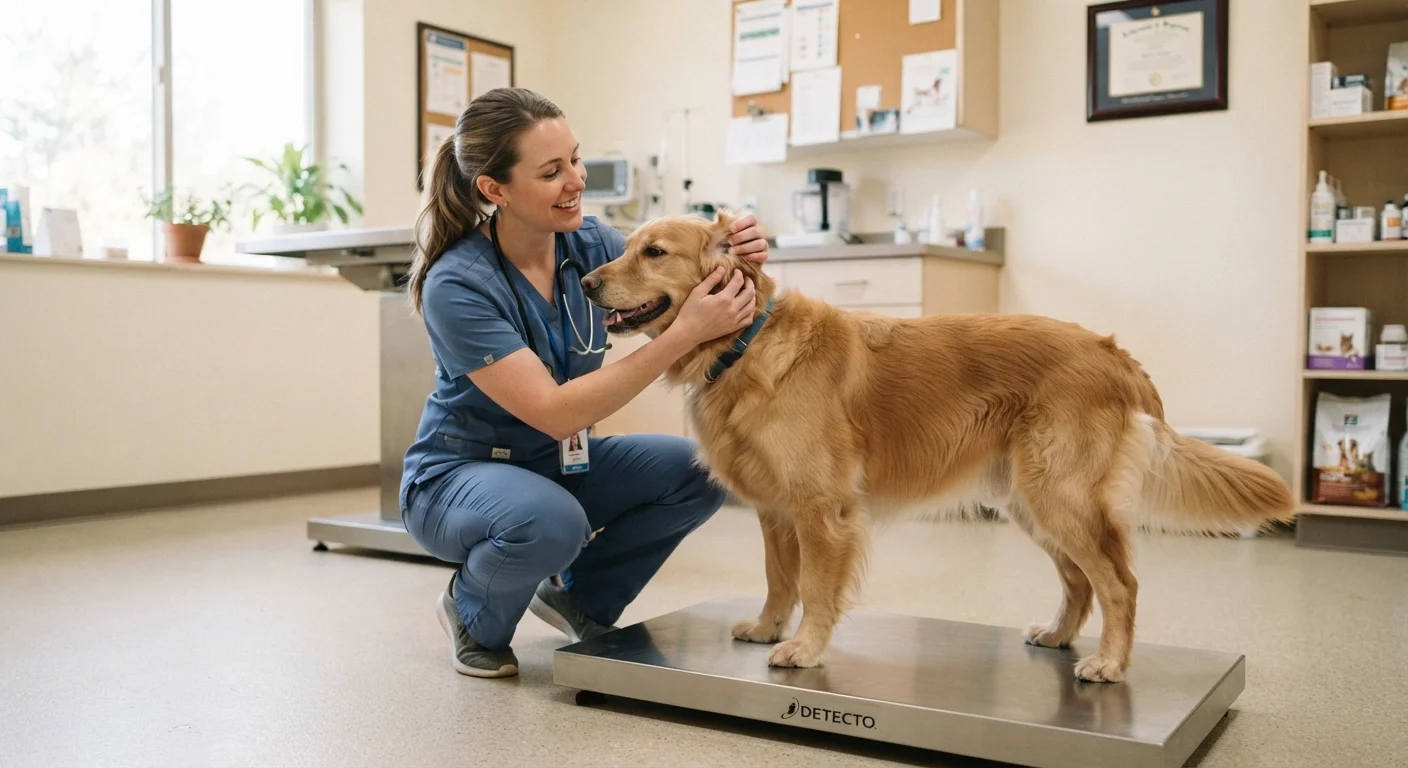
Pet obesity is one of the most common and consequential nutrition-related problems vets encounter — yet it often goes unaddressed because owners misjudge their pet's body condition. Our companion piece on weight management in dogs and cats covers how vets assess healthy weight and what dietary adjustments are generally supported by evidence.
If you're ever uncertain whether a diet change is appropriate for your pet, a consultation with your veterinarian or a board-certified veterinary nutritionist is the most evidence-grounded step you can take. Nutrition decisions made without that guidance — however well-intentioned — can create deficiencies or health risks that take time to become visible.
This article is for general informational purposes only and does not constitute veterinary or medical advice. Always consult a licensed veterinarian before making significant changes to your pet's diet.