The Most Common Reasons Claims Are Denied
Insurers deny claims for a limited set of recurring reasons, and most of them appear in plain terms somewhere in your policy documents. Recognizing these patterns makes a denial far less surprising — and much easier to challenge if it is wrong.
- Excluded causes of loss. Your policy lists what it covers and, crucially, what it does not. Flood damage on a standard homeowners policy, intentional acts, and wear-and-tear are classic exclusions. See our deeper look at what exclusions actually mean for a full breakdown.
- Lapsed or insufficient coverage. If premiums were not paid and coverage lapsed before the loss occurred, there is no active policy to pay the claim. Similarly, a loss that exceeds your policy limit will be paid only up to that ceiling.
- Late or improper reporting. Most policies require you to notify the insurer "promptly" or within a specific timeframe. Delayed reporting can give an insurer grounds to deny, particularly if it hampers their ability to investigate. Avoid this and other common missteps covered in our article on errors that slow down or derail a claim.
- Insufficient documentation. An insurer cannot pay for a loss it cannot verify. Missing receipts, no photos of damage, or an incomplete proof-of-loss form can all lead to a denial or a reduced payment.
- Misrepresentation on the application. If the insurer discovers that information on your original application was inaccurate — even unintentionally — it may deny a claim or, in serious cases, void the policy entirely.
~1 in 5
Health insurance marketplace claims denied on average
KFF analysis of insurer data submitted to federal regulators found wide variation in denial rates across health insurers, with some exceeding 40% of in-network claims.
< 0.2%
Denied health claims formally appealed by patients
The same KFF analysis found that consumers appeal a very small fraction of denied claims, despite having the legal right to do so in most cases.
40%+
Appealed health denials overturned in enrollee favor
Federal data indicates that a significant share of internal and external appeals result in the insurer reversing its original denial decision.
How to Read the Fine Print Behind a Denial
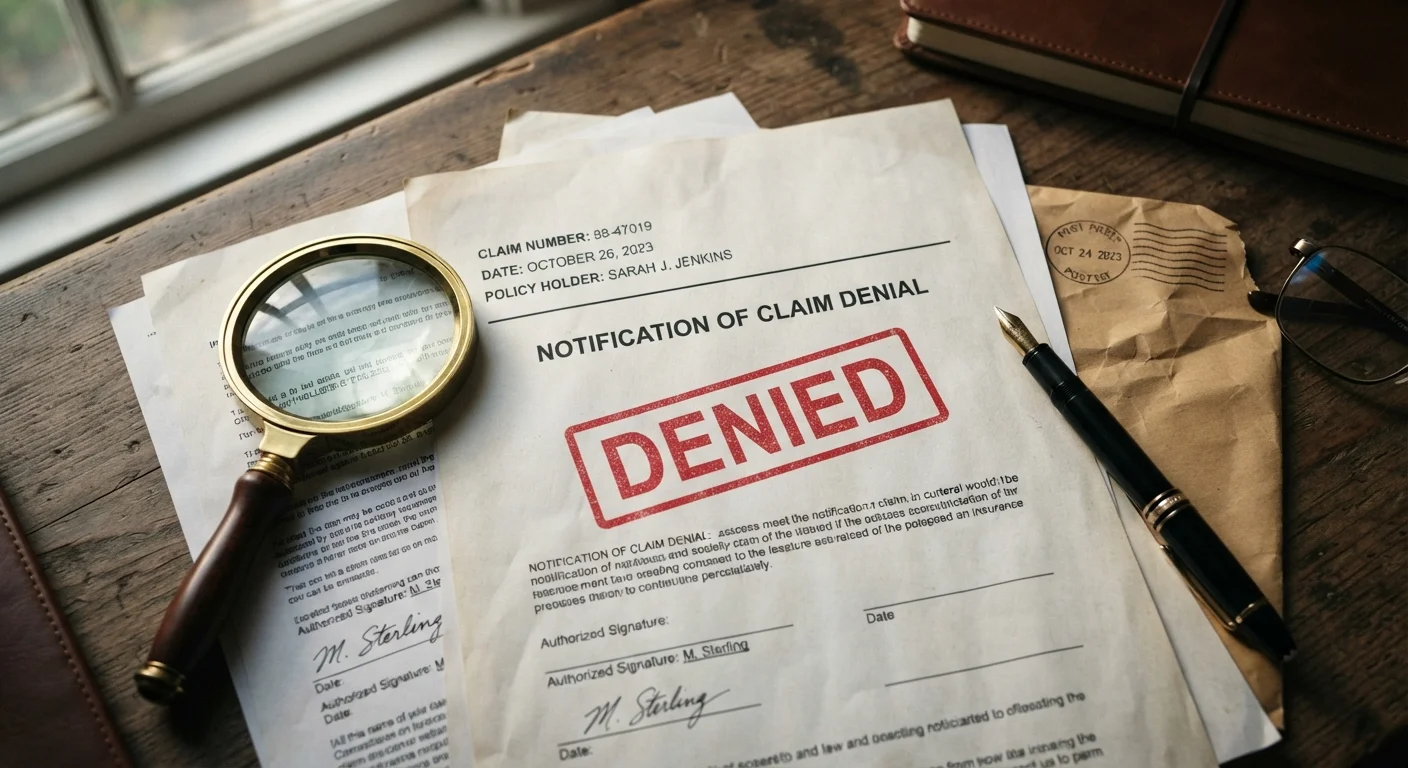
Every denial letter should cite a specific provision — a section number, a clause name, or quoted policy language. That citation is your roadmap. Pull out your policy and locate the referenced section before you do anything else.
Look for three things in that section:
- The exact condition or exclusion cited. Does the language actually apply to your loss as it occurred? Insurers sometimes cite provisions that don't squarely fit the facts.
- Any exceptions to the exclusion. Exclusions often have carve-outs. For example, a policy might exclude water damage generally but cover sudden and accidental discharge from a burst pipe. If your loss fits an exception, say so explicitly in your appeal.
- Your duties after a loss. Most policies include a section describing what you must do — provide a sworn proof of loss, allow inspection, submit documentation within a set period. If the denial claims you didn't comply, review whether you actually met those requirements.
Keep a Paper Trail From Day One
The moment a loss occurs, begin documenting: photographs, written notes on timing and circumstances, receipts, and records of every call or email with your insurer. This documentation supports your claim and strengthens any appeal if a denial follows. Many denials for 'insufficient documentation' are reversed when the policyholder can produce records the insurer didn't know existed.
If the policy language is ambiguous, that ambiguity typically favors the policyholder under a legal doctrine called contra proferentem — courts generally interpret unclear contract language against the party that drafted it (the insurer). An insurance attorney can advise whether this applies to your situation.
Your Options After a Denial
A denial is not necessarily final. Most policyholders have at least two layers of recourse before a dispute becomes a legal matter.
Step 1: File an Internal Appeal
Contact your insurer in writing, reference the denial letter, cite the specific policy language you believe supports coverage, and attach any additional documentation. Be factual and specific. Your denial letter should explain how to initiate this process and how long you have to do so.
Step 2: Escalate Externally
If the internal appeal fails, most states give policyholders the right to file a complaint with the state insurance commissioner's office. For health insurance, federal law provides the right to an independent external review. State regulators can sometimes compel an insurer to reconsider, and the complaint record creates a paper trail.
Step 3: Consider Professional Help
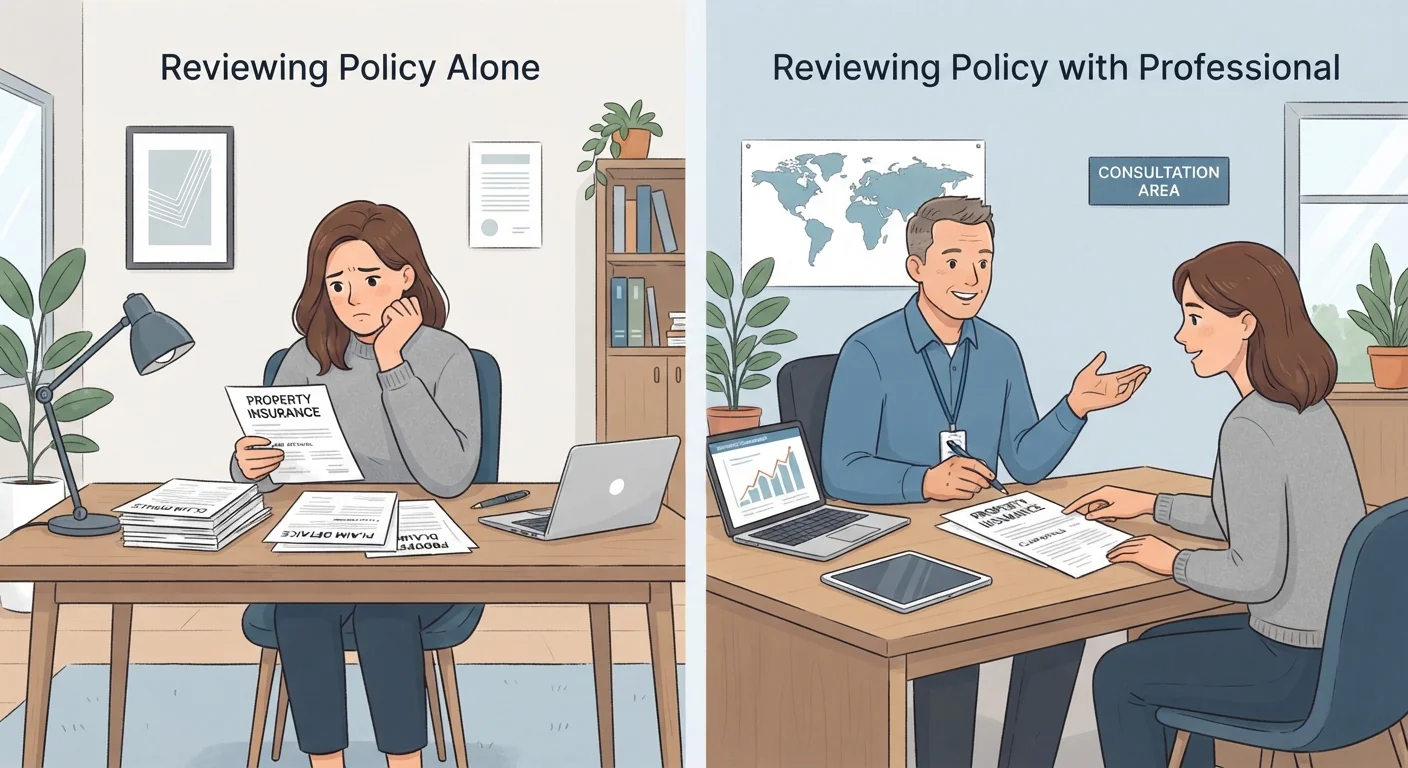
For property insurance disputes, a licensed public adjuster works on your behalf — not the insurer's — to document and negotiate your claim. For disputes involving potential bad-faith conduct by the insurer, an attorney who specializes in insurance law may be warranted. Our article on filing a claim yourself vs. using a public adjuster walks through when professional help makes sense.
If your situation involves a settlement that was paid but seems too low rather than a full denial, that's a separate path — see our guide on disputing a low settlement offer.
This article provides general insurance information and education only. Coverage terms, claim outcomes, and appeal rights vary by policy, insurer, and state. Consult a licensed insurance professional or attorney regarding your specific situation.