
Why Small Mistakes Can Have Big Consequences
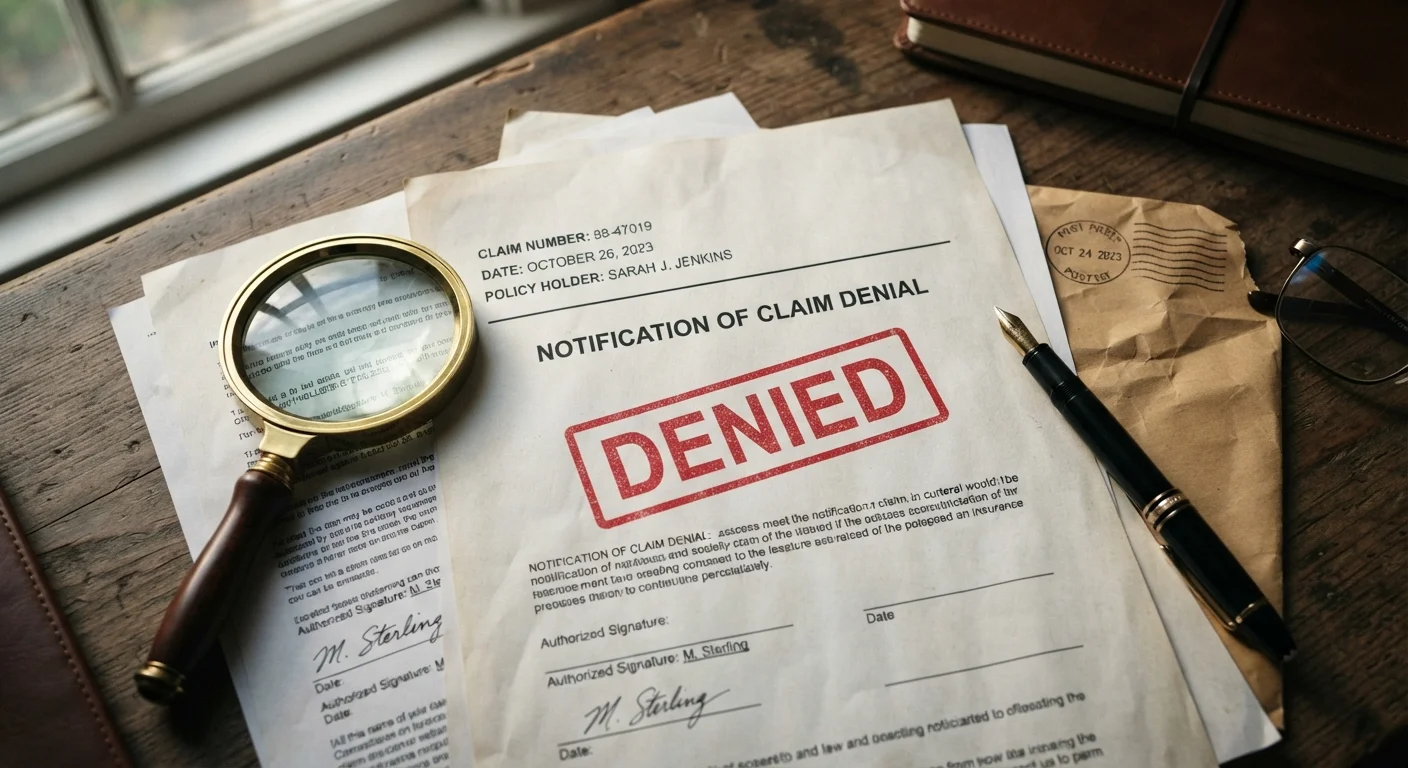
Filing an insurance claim is rarely straightforward, and the process is easier to get wrong than most people expect. Policyholders often assume that having a valid loss automatically means a smooth payout — but insurers evaluate both the event and how the claim is handled. Procedural missteps, even unintentional ones, can delay your settlement by weeks or give your insurer a legitimate reason to reduce what they owe you.
The good news: most of these errors are entirely avoidable once you know what to watch for. This article walks through the mistakes that most commonly slow down or derail claims, and what you can do instead. For a broader look at why insurers deny claims outright, see why claims get denied and what the fine print usually says.
Common Errors That Derail Claims
The mistakes below show up repeatedly across home, auto, and other personal lines of insurance. Each one is preventable with a little preparation and awareness.
Reporting the loss too late.
Why it happens: Policyholders often wait to assess the full extent of damage before calling, or assume they have more time than they do.
Failing to document the damage thoroughly before making repairs.
Why it happens: The instinct to clean up or fix damage immediately is understandable, especially after a stressful event like a burst pipe or storm.
Giving inconsistent or imprecise statements to the insurer.
Why it happens: Details shared in an initial call may be rushed or incomplete, and later written statements can accidentally contradict them.
Submitting incomplete or disorganized documentation.
Why it happens: Many policyholders don't keep records of their belongings beforehand and scramble to reconstruct them after the fact.
Misunderstanding what your policy actually covers.
Why it happens: Coverage exclusions and limits are buried in policy language that most people don't read until after a loss.
Exaggerating or inflating the claim.
Why it happens: Some policyholders assume a little padding will offset their deductible or perceived low settlement offers.
Watch Out for Policy Deadlines
Insurance policies typically include strict deadlines not just for reporting a loss, but also for submitting a proof of loss form and initiating legal action. Missing these deadlines — even if your claim is otherwise valid — can forfeit your right to payment. Read your policy's time-limit provisions carefully and note any dates in writing.
How to Set Yourself Up for a Smoother Claim
Avoiding these errors starts well before a loss occurs. Keep a home inventory — photos, receipts, and serial numbers stored somewhere other than your home (a cloud account works well). Read your policy's claims section so you know the reporting window, what documentation is required, and what your duties are after a loss. If you're unsure about any policy language, our policy terms guide can help decode the jargon.
1 in 7
Homeowner claims that face payment disputes
Industry data consistently shows that documentation gaps and procedural errors are among the leading reasons claim payments are reduced or contested.
48–72 hrs
Typical insurer notification window after a loss
Many policies require prompt reporting; some specify exact timeframes ranging from 24 hours to several days depending on the type of loss and policy terms.
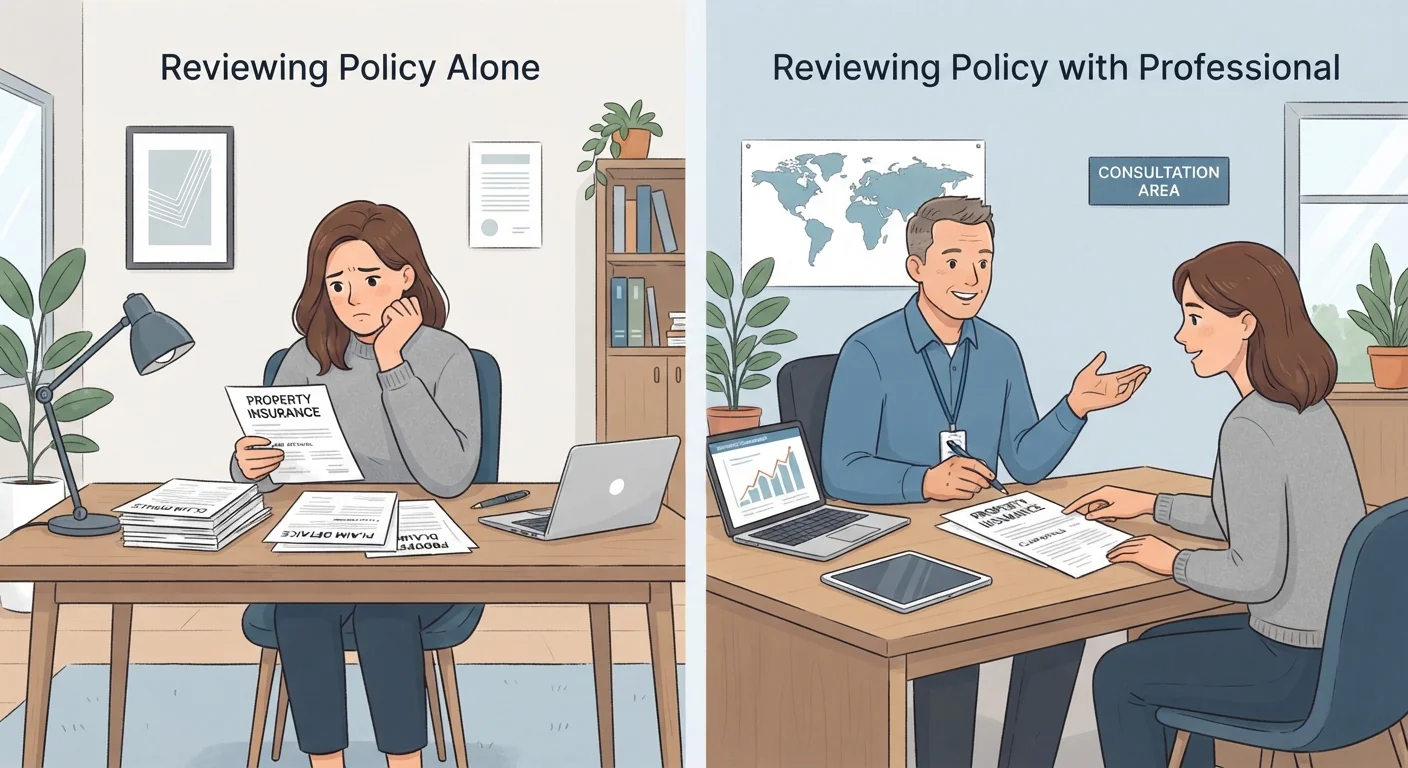
Once a loss happens, document everything before touching it. Report promptly, keep records of every communication, and be consistent in what you say. If the claim is large or complicated, consider whether professional help makes sense — filing yourself versus using a public adjuster covers that tradeoff in detail.
It's also worth knowing upfront whether filing is even the right move. For smaller losses, the math doesn't always favor a claim. Situations where filing a claim may not be the right move walks through those scenarios.
This article provides general information about the insurance claims process and is not legal or financial advice. Coverage terms, deadlines, and procedures vary by policy and state. Consult a licensed insurance professional or review your actual policy documents for guidance specific to your situation.