
Why Settlement Offers Come In Low
A settlement offer reflects the insurer's assessment of what your policy covers and what the loss is worth — but those assessments are not infallible. Adjusters may underestimate repair costs in your local market, apply depreciation formulas that don't match your policy terms, overlook hidden damage, or misread what your coverage actually includes. This doesn't necessarily mean bad faith; it can simply be an error or a difference in methodology. Understanding that there is a legitimate dispute to be made — not just a number to accept — is the first shift in mindset. If you haven't already, review what happens after you file a claim to understand where settlement fits in the overall process.
Document Everything in Writing
Send all dispute communications — including your initial objection and any supporting evidence — by certified mail or email so you have a dated record. Keep copies of every letter, adjuster report, estimate, and photo you submit. A clear paper trail is one of the most effective tools if your dispute escalates.
Your Dispute Options, Step by Step
Disputing an offer works best as a staged process — starting with the least adversarial option and escalating only if needed. Most disputes are resolved at the internal appeal or appraisal stage without involving regulators or courts. The steps below walk through each option in the order you'd typically pursue them.
What you will need
Your Insurance Policy Document
Defines coverage, valuation methods, and dispute procedures including the appraisal clause.
Independent Contractor Estimates
Provides a market-rate counterpoint to the insurer's adjuster report.
State Department of Insurance Website
Used to file a formal complaint and look up your state's policyholder rights.
Public Adjuster
A licensed professional who negotiates claim settlements on your behalf for a percentage fee.
Insurance Attorney
Advises on bad faith claims, policy interpretation, and litigation if other remedies are exhausted.
Review Your Policy and the Insurer's Valuation
Before pushing back, understand exactly what your policy promises. Pull up your declarations page and the relevant coverage sections — pay close attention to how the policy defines ACV versus replacement cost value, depreciation methods, and any coverage sublimits. Then compare those terms against the adjuster's written explanation of how they calculated your settlement. Identify the specific line items you believe are wrong, missing, or undervalued. Vague disagreement is easy to dismiss; a precise, documented objection is much harder to ignore. For help decoding policy language, see the Policy Terms Explained hub.
Gather Independent Evidence
An adjuster's estimate is not the final word on value. Get written repair or replacement estimates from at least two licensed, independent contractors or appraisers. If personal property was lost or damaged, gather receipts, credit card statements, or online purchase history to establish original value. Photograph all damage thoroughly, including any that may have been overlooked in the initial inspection. This independent evidence becomes the backbone of your dispute at every subsequent stage.
Submit a Formal Written Dispute to Your Insurer
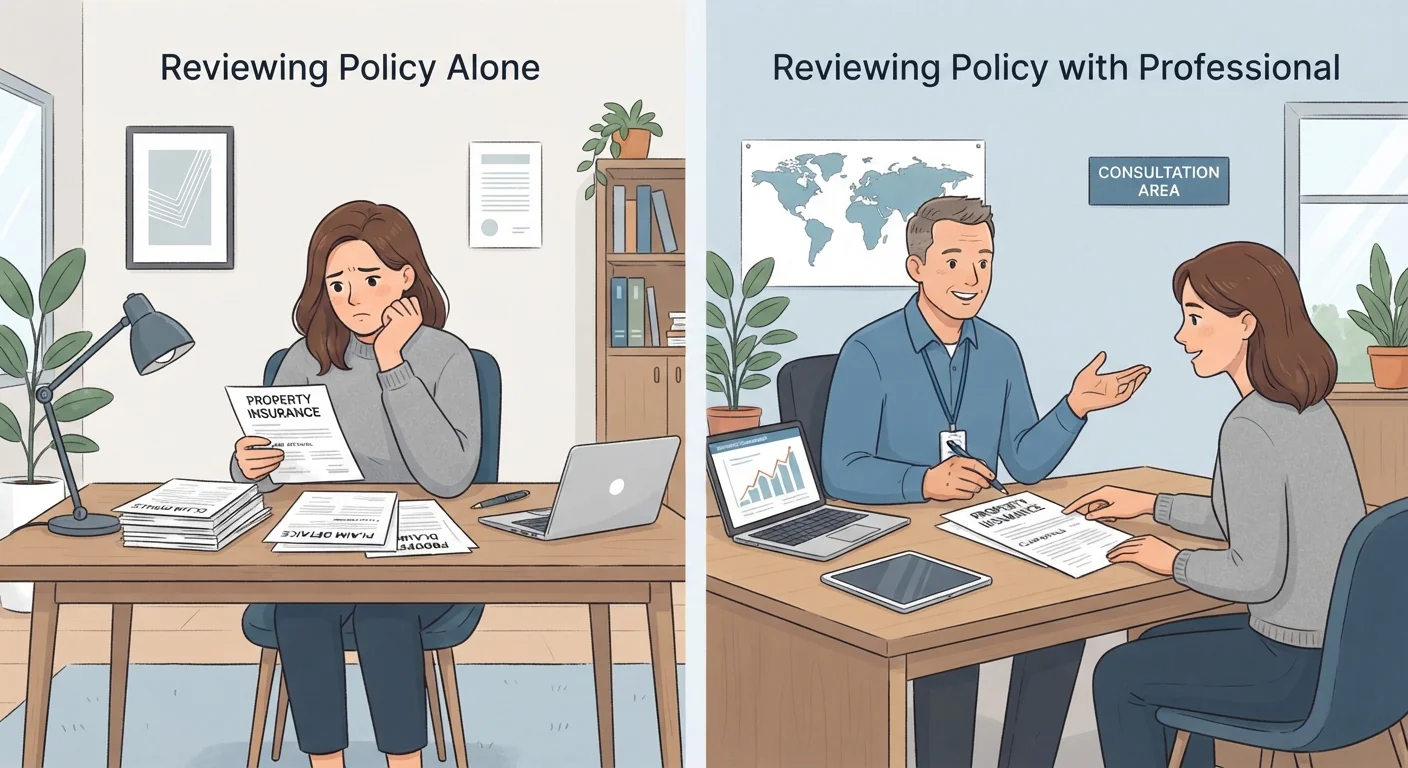
Contact your insurer in writing — not just by phone — and formally state that you are disputing the settlement amount. Reference your policy language, attach your independent estimates, and clearly explain why you believe the offer is insufficient. Request a written response and ask whether a re-inspection or a supervisor review is available. Most insurers have an internal appeals or reconsideration process; using it creates a record and is typically required before escalating further. Hiring a public adjuster to manage this stage on your behalf is also worth considering if the dollar amount is significant.
Invoke the Appraisal Clause (Property Policies)
Most homeowners and auto physical damage policies include an appraisal clause — a built-in dispute mechanism that bypasses litigation. Under a standard appraisal process, you and the insurer each hire an independent appraiser; those two appraisers then select a neutral umpire. A decision agreed upon by any two of the three parties is binding. Check your policy for exact language and procedures, since timelines and costs vary. Invoking appraisal is typically done in writing and must happen within any deadlines the policy specifies.
File a Complaint with Your State Insurance Commissioner
Every state has an insurance regulatory agency — commonly called the Department of Insurance — that oversees insurer conduct and accepts policyholder complaints at no cost. Filing a complaint signals to the insurer that regulators are watching and can prompt a reassessment of your claim. It also creates a formal regulatory record. You can usually file online through your state's Department of Insurance website. This step does not guarantee a different outcome, but it is a meaningful escalation that costs nothing to pursue. Understand that why claims get underpaid can sometimes point you toward the most effective complaint angle.
Consult an Attorney About Bad Faith or Litigation
If internal appeals, appraisal, and regulatory complaints all fail — or if you believe the insurer acted in bad faith (for example, by unreasonably delaying, misrepresenting your policy, or ignoring clear evidence) — consulting a licensed attorney who handles insurance disputes may be appropriate. Many work on contingency for bad-faith cases, meaning no upfront fee. Litigation is time-consuming and not always the right tool for smaller claims, but for significant underpayments it can be the most effective last resort. An attorney can also advise whether your state's statutes provide additional remedies for bad faith conduct.
Don't Cash That Check Yet
In some states, endorsing and depositing a settlement check can be treated as acceptance of the full and final settlement amount. Before cashing any check labeled 'full and final settlement,' review your state's rules or consult a licensed professional. Contact your insurer in writing to clarify if cashing the check waives your right to dispute.
Watch Your Deadlines
Insurance policies and state laws impose strict deadlines — called statutes of limitations — on how long you have to dispute a claim or file suit. Missing these windows can permanently bar your options. Check your policy and consult your state's insurance department or a licensed attorney for the deadlines that apply to your situation.
This article provides general information about insurance dispute processes and is not legal or financial advice. Coverage terms, procedures, and policyholder rights vary by policy and by state. Consult a licensed insurance professional, attorney, or your state's Department of Insurance for guidance specific to your situation.