You Can Make It Feel Like Home - Without Risking Your Deposit
Renting comes with an unspoken anxiety: the fear that any attempt to personalize your space could cost you when move-out day arrives. But living in a unit that doesn't feel like yours takes a real toll on everyday comfort. The good news is that a growing range of reversible products and smart strategies let renters make meaningful improvements - as long as you understand where the lines are.
Before touching anything, read your lease carefully. Some agreements prohibit even minor alterations; others allow changes with written landlord approval. Getting permission in writing protects you regardless of what that permission covers. And always photograph every room thoroughly before you begin - that documentation is your strongest defense if any deposit dispute arises later.
See also: renter-friendly wall decorating ideas for more context on damage-free personalization.
Swap Out Light Fixtures - and Keep the Originals
Overhead lighting in rental units tends toward the utilitarian: plain globe fixtures, basic ceiling fans, or bare bulbs. Replacing a fixture with something more intentional - a pendant light, a semi-flush drum shade - can transform a room's atmosphere entirely. The key is storing every original part in a labeled bag so you can reinstall it precisely before you leave. Turn off the breaker before doing any fixture work, and if you're not comfortable with basic wiring connections, hire a licensed electrician. Don't assume the job is risk-free just because it looks simple.
Store every original fixture part in a labeled bag - reinstalling it exactly is what protects your deposit.
Use Removable Wallpaper and Peel-and-Stick Tiles
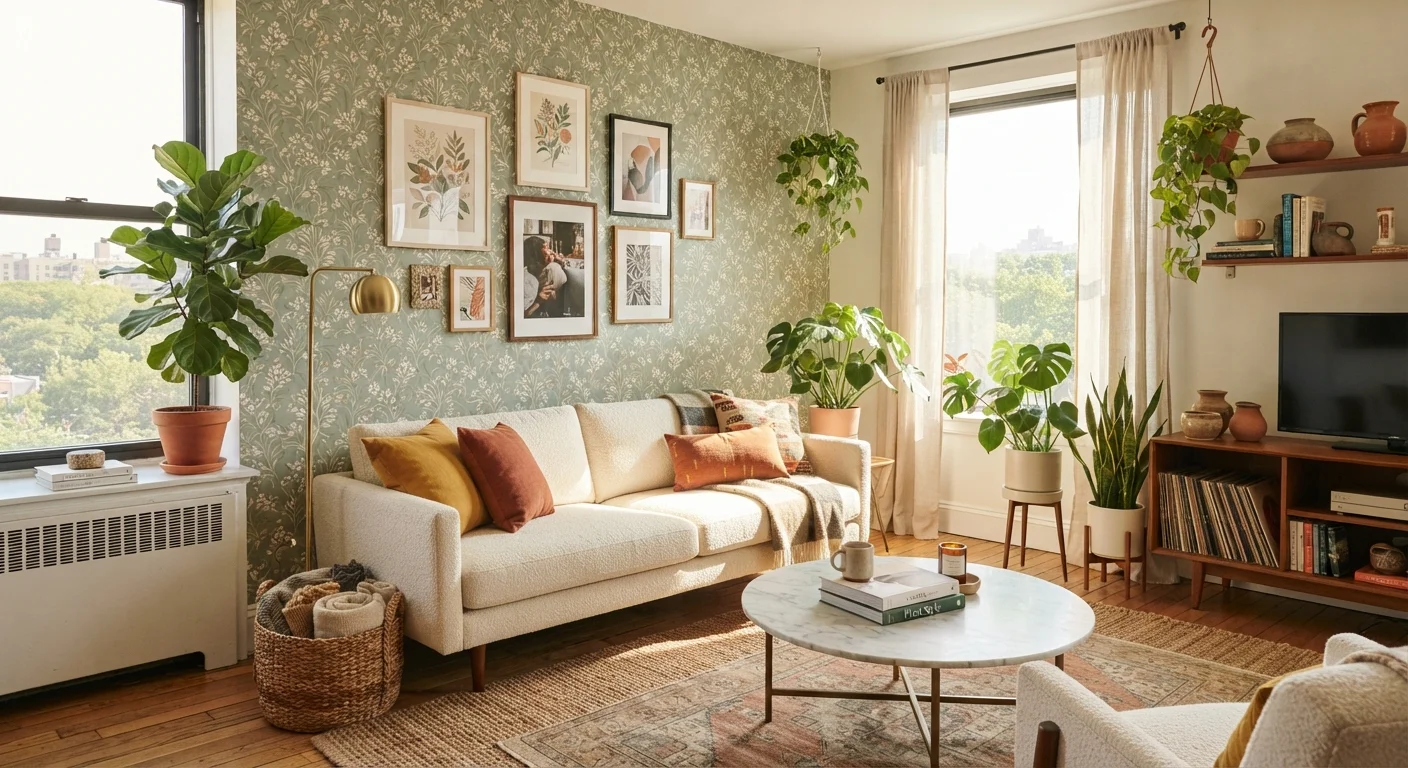
The peel-and-stick category has matured considerably. Removable wallpaper now comes in hundreds of patterns and textures, and when applied to a clean, properly primed wall, it peels away cleanly without tearing paint - provided you follow the manufacturer's instructions and don't leave it up for years in humid conditions. Similarly, peel-and-stick floor tiles can cover dated vinyl or tile in kitchens and bathrooms, giving a completely different look with no adhesive damage to the original surface. Test a small area first, and always remove them before move-out rather than leaving them for the landlord to discover.
Peel-and-stick wallpaper and floor tiles can fully transform a space and leave no trace when removed correctly.
Replace Cabinet and Drawer Hardware
Kitchen and bathroom cabinets often have dated or mismatched pulls and knobs. Swapping them out is a five-minute job with a screwdriver - and it makes a surprisingly large visual difference. Place the original hardware in a small bag and tape it inside a cabinet for safekeeping. When you move out, reinstalling the originals takes the same five minutes. This is one of the lowest-risk, highest-impact upgrades available to renters, and it costs very little.
Swapping cabinet hardware is one of the easiest, most reversible upgrades renters can make.
Add Removable Hooks and Damage-Free Hanging Systems
Adhesive hooks rated for actual weight limits have become reliable tools for renters. Used correctly on smooth, painted walls, they remove cleanly without pulling paint. Use them for towel hooks, coat storage, kitchen organizers, and artwork. Be honest about weight ratings - overloading an adhesive hook is how walls get damaged. For heavier items, look into tension-rod shelving systems or freestanding furniture that does the hanging work without touching the wall at all.
Adhesive hooks used within their weight rating remove cleanly and leave walls untouched.
Layer Rugs Over Existing Flooring
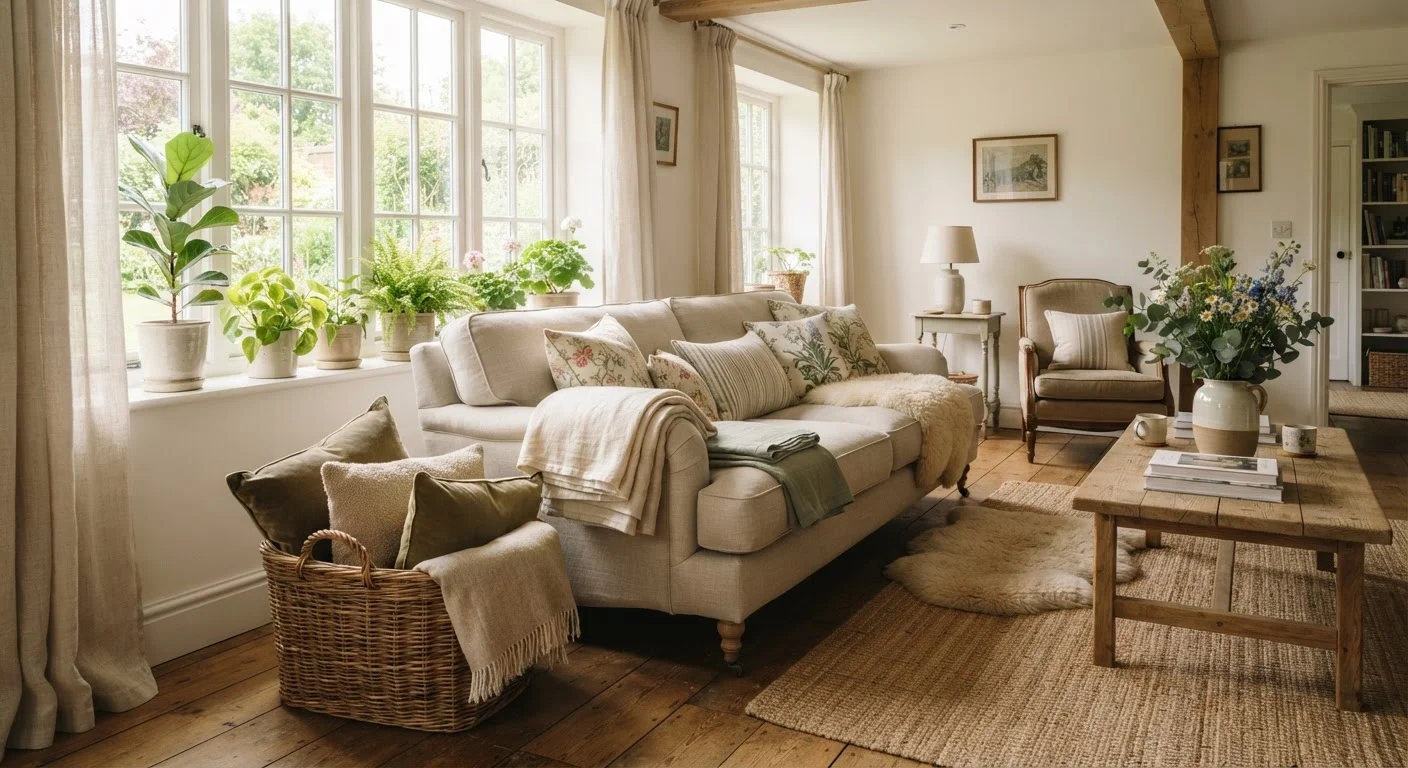
If a rental's flooring isn't to your taste - stained carpet, scuffed hardwood, cold tile - area rugs are the most straightforward solution. They add warmth, define zones within open-plan layouts, reduce noise, and introduce color or texture without a single nail or adhesive. Use a rug pad underneath to prevent slipping and protect the floor beneath. When you move, the rug comes with you, and the floor underneath is exactly as it was. This strategy pairs particularly well with the ideas in our small-space living guide, where rugs help anchor separate functional areas.
Area rugs transform flooring aesthetics completely and leave zero impact on what's underneath.
Upgrade Showerheads and Faucet Aerators
Most showerheads unscrew by hand or with a basic wrench. Replacing yours with a model that has better pressure or a handheld function is straightforward plumbing - no permits, no tools beyond a wrench and some plumber's tape. Store the original showerhead and reinstall it before you leave. The same applies to faucet aerators (the small screen at the tip of a faucet), which affect water pressure and spray pattern. Both upgrades cost relatively little and can noticeably improve daily comfort.
Showerhead swaps are among the simplest plumbing upgrades - and completely reversible with the original stored safely.
Bring In Freestanding Storage and Shelving
Closet space and storage are common pain points in rental units. Rather than installing built-ins or shelf brackets (which require wall anchors and approval), invest in freestanding shelving units, modular cube organizers, or wardrobe systems that stand independently. These pieces move with you, adapt to different spaces, and require no modification to the unit. Over-the-door organizers are another strong option - they hang from the door frame without hardware and come off in seconds.
Freestanding storage travels with you and never puts your deposit at risk.
Make Smart Choices - and Protect Yourself Along the Way
The changes outlined above share a common thread: they're reversible, require no structural work, and leave the unit in equal or better condition than you found it. That's the golden rule of renter upgrades.
Document Everything Before and After
Before making any change - even a removable one - photograph the original condition of that area in detail. When you reverse the change before move-out, photograph the restored condition as well. Date-stamped photos stored in cloud backup give you clear, timestamped evidence if a landlord disputes the state of the unit. This documentation habit costs nothing and can save you hundreds of dollars in contested deposit deductions.
If you're working with limited square footage, many of these same strategies double as space-maximizing tools. Our guide on small-space living solutions pairs well with a renter's approach to improvements. And for a broader seasonal reset of your space, the seasonal home refresh checklist offers a structured way to keep your rental feeling current year-round.
One often-overlooked step: make sure your renters insurance is up to date. Your personal belongings and liability aren't covered by your landlord's policy. Learn more about how coverage works in our breakdown of homeowners vs. renters insurance.
This article is for general informational purposes only and does not constitute legal or financial advice. Lease terms vary widely - always consult your rental agreement and, if needed, a qualified legal professional before making changes to your unit.