Why Renter-Friendly Decorating Matters
Roughly one in three American households rents their home. Yet many renters live with blank walls and impersonal spaces, either unaware of their options or anxious about losing their security deposit. The result is a living environment that never quite feels like home - and that has real effects on comfort and wellbeing.
The good news: the market for damage-free decorating products has grown significantly, giving renters more choices than ever. Understanding what you can and can't do - legally and practically - is the first step toward making your space feel genuinely yours. If you're also thinking about maximizing a smaller rental layout, our guide to small-space living covers complementary approaches.
~35%
Share of U.S. households that rent
According to U.S. Census Bureau data, approximately one in three American households occupies a rental unit rather than an owned home.
$250-$500
Typical security deposit deduction for wall damage
Industry property management guidance commonly cites repainting or patching as among the most frequent sources of move-out deposit deductions.
What Renters Can Do: Damage-Free Decorating Options
Most leases prohibit damage, not decoration. That distinction opens up a wide range of options:
- Removable adhesive strips and hooks: Hook-and-loop adhesive products can support frames weighing several pounds without leaving holes. Always follow the manufacturer's weight limits and removal instructions precisely.
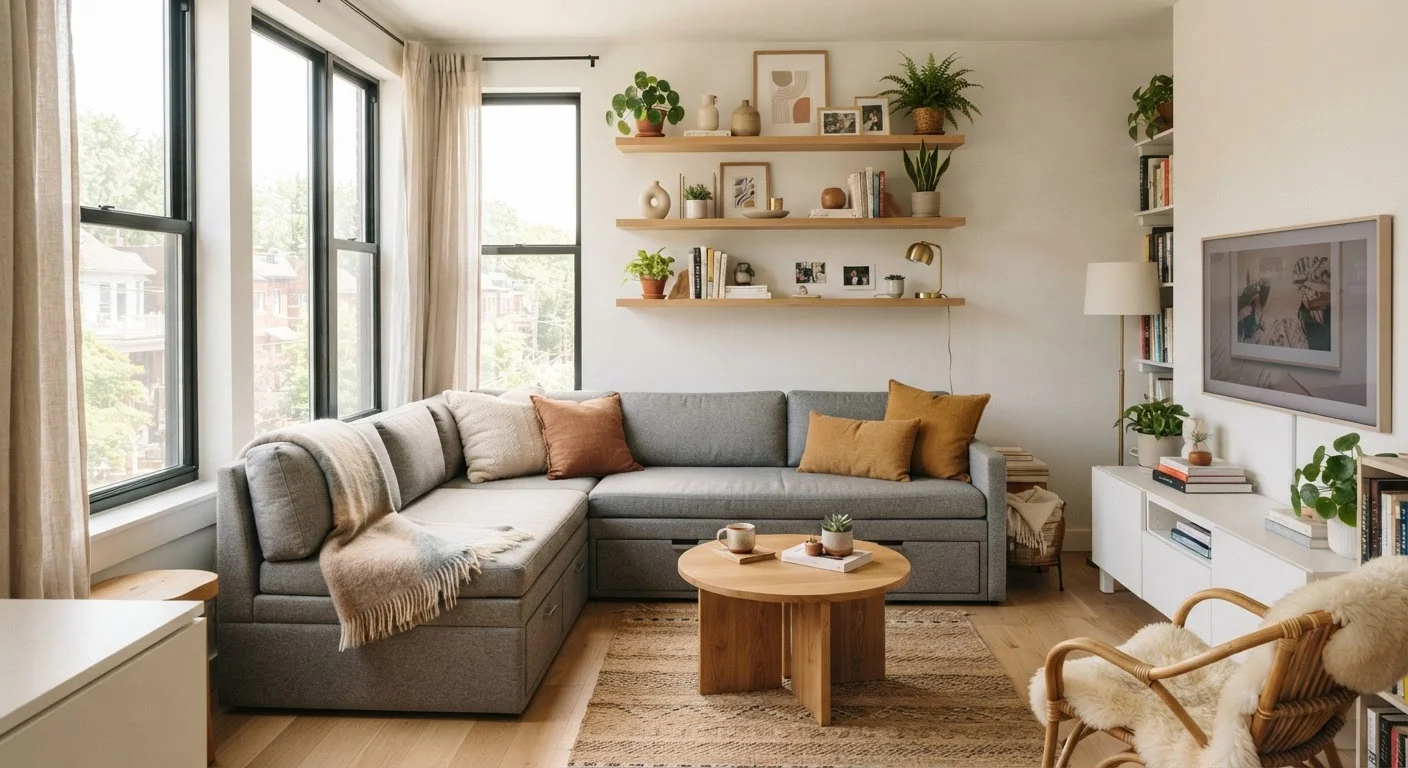
- Picture ledges and rail systems: Freestanding ledges that lean against walls, or rail systems that use minimal fasteners, let you display rotating collections of art without a traditional nail gallery.
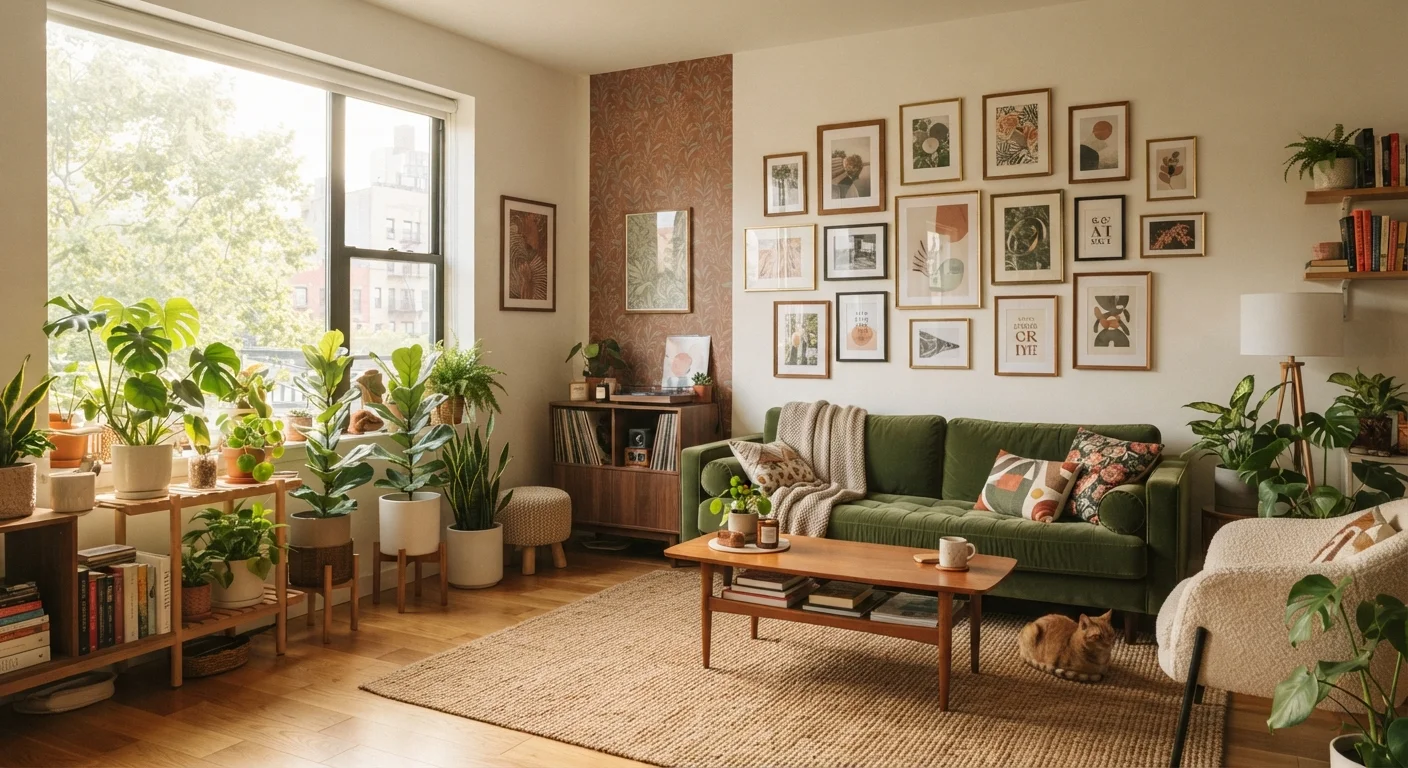
- Removable wallpaper and peel-and-stick panels: These temporary wall coverings come in hundreds of patterns and can transform an accent wall. Applied correctly to clean, smooth surfaces, they typically remove without residue.
- Large-format mirrors and textiles: Leaning a large mirror or hanging a woven tapestry from a curtain rod adds visual depth and warmth without any wall contact beyond a single hook or tension rod.
- Lighting and plants: Floor lamps, string lights draped over furniture, and an abundance of plants change a room's atmosphere dramatically without touching the walls at all.
Wide range of damage-free products available
Adhesive strips, removable wallpaper, and tension rods are widely available and have improved significantly in quality, making genuine personalization accessible without tools or skills.
Protect your security deposit
Damage-free methods keep walls in their original condition, reducing the risk of deductions when you move out - often one of the largest financial stressors of renting.
Flexibility to change styles easily
Removable products let you update your décor seasonally or as your taste evolves, something even homeowners with painted walls can't do as quickly.
No permits or professional help needed
Most renter-friendly decorating techniques are genuinely DIY-friendly, requiring no permits, specialized tools, or contractor involvement.
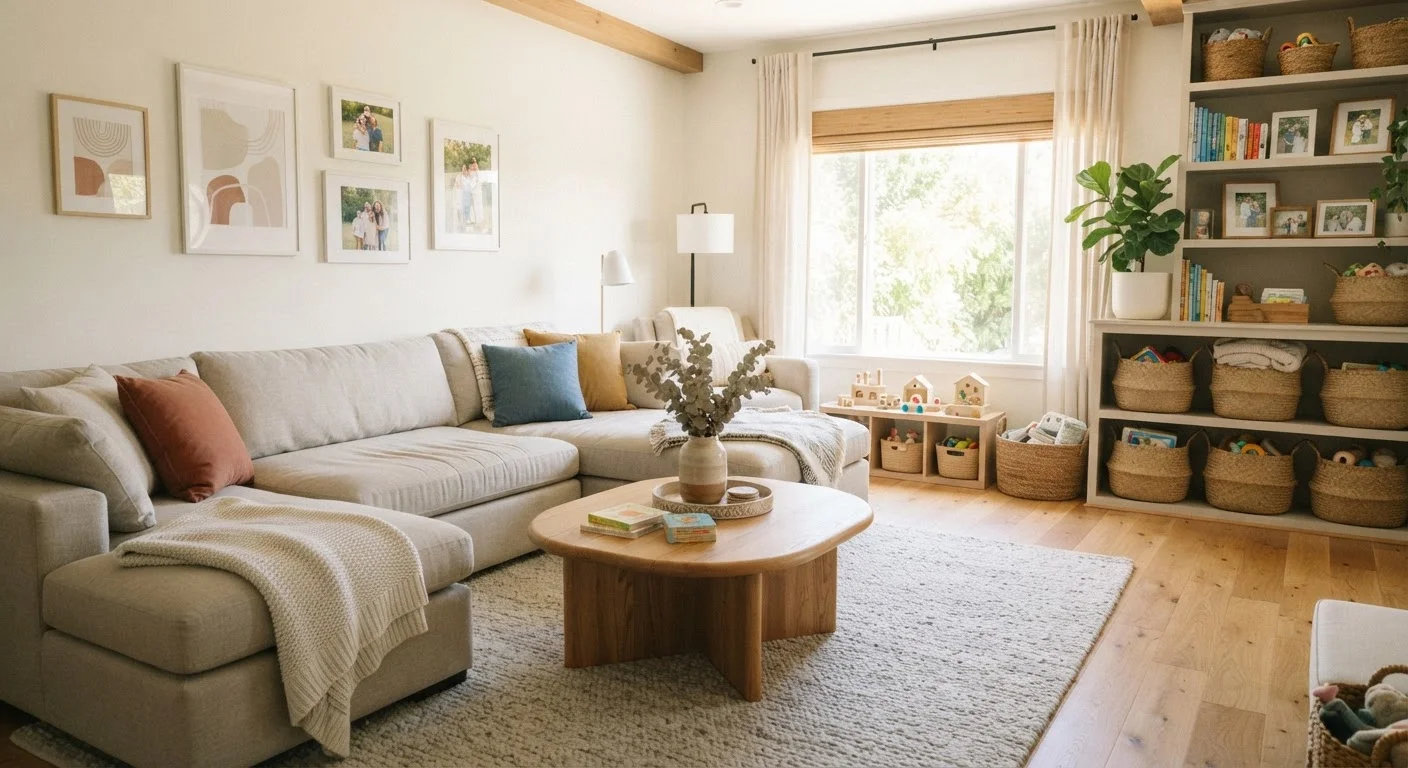
For renters with families, our article on kid-friendly home design shows how to layer these strategies with durability in mind.
What Renters Generally Can't Do (Without Permission)
Certain changes cross into territory that most standard leases prohibit - and can result in deductions from your deposit or, in some cases, lease termination:
Weight limits restrict heavier art or shelving
Adhesive products have real weight ceilings - typically 4-16 lbs depending on the product - meaning heavy mirrors, floating shelves with books, or oversized canvases may not be safely supported without wall anchors.
Painting typically requires explicit landlord approval
Even a single painted accent wall is usually considered an alteration under standard lease language; doing it without permission risks deposit deductions or lease violations.
Removable wallpaper can fail on textured surfaces
Peel-and-stick products are designed for smooth, clean walls - on heavily textured surfaces they may not adhere properly, peel prematurely, or lift paint upon removal.
Lease terms vary widely and must be read carefully
What one landlord overlooks, another may strictly enforce; there is no universal standard, so renters cannot assume a technique is safe without checking their specific lease.
Structural or electrical changes are off-limits
Recessed lighting, built-in shelving, or any change involving wiring or structural elements is almost universally prohibited in rental units and may require permits even for homeowners.
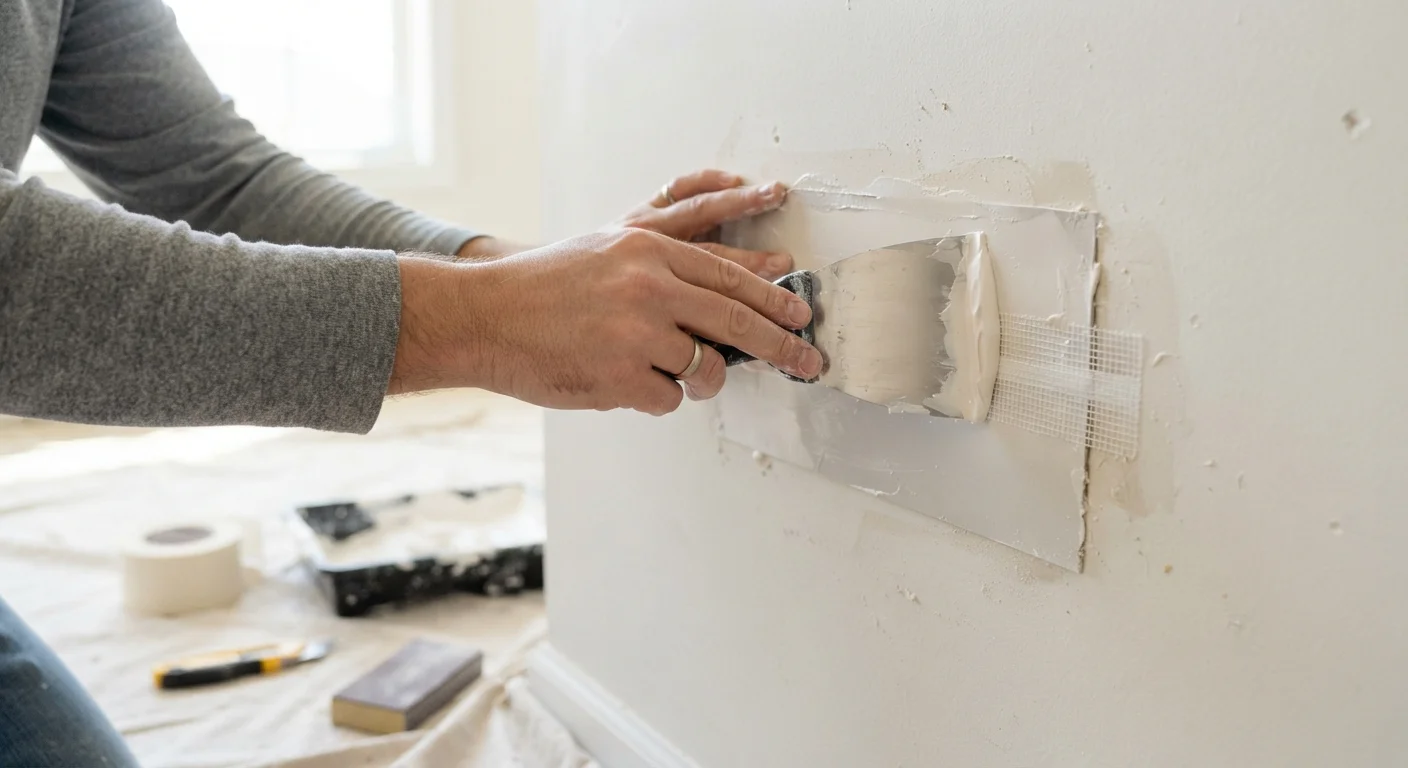
If you do cause accidental wall damage, drywall patching is a skill worth understanding - though always disclose repairs to your landlord rather than concealing them. And if you're curious how your renters insurance fits into accidental damage scenarios, see our overview of homeowners vs. renters insurance.
Always Check Your Specific Lease
Lease terms differ substantially between landlords, management companies, and states. Some leases explicitly permit small nail holes as normal wear and tear; others prohibit any wall fasteners. This article provides general guidance only - your lease is the binding document. When in doubt, ask your landlord in writing before making any change.
How to Navigate Gray Areas With Your Landlord
Not everything falls neatly into "allowed" or "prohibited." Many landlords are open to reasonable modifications - especially from long-term tenants - if approached correctly:
- Read your lease first. Look for language about alterations, painting, or fixtures. Some leases are silent on minor décor; others are explicit.
- Ask in writing. Email your landlord a specific request - for example, permission to paint one wall with a color you'll restore before move-out. Written approval protects both parties.
- Offer to restore. Proposing to repaint, patch, or return fixtures to original condition often makes landlords more receptive.
- Document everything. Photograph walls before and after any changes. This protects you if deposit disputes arise.
If you're planning broader renter-friendly upgrades beyond the walls, our companion guide on home improvement for renters covers flooring, lighting, and fixture swaps in the same spirit.