Why Kid-Friendly Doesn't Have to Mean Style-Optional
Many parents assume that once children arrive, the home has to choose between looking good and functioning well. That's a false trade-off. With deliberate material choices and a bit of spatial planning, a home can hold up to spilled juice, crayon ambitions, and fort construction while still feeling like a place adults genuinely want to be.
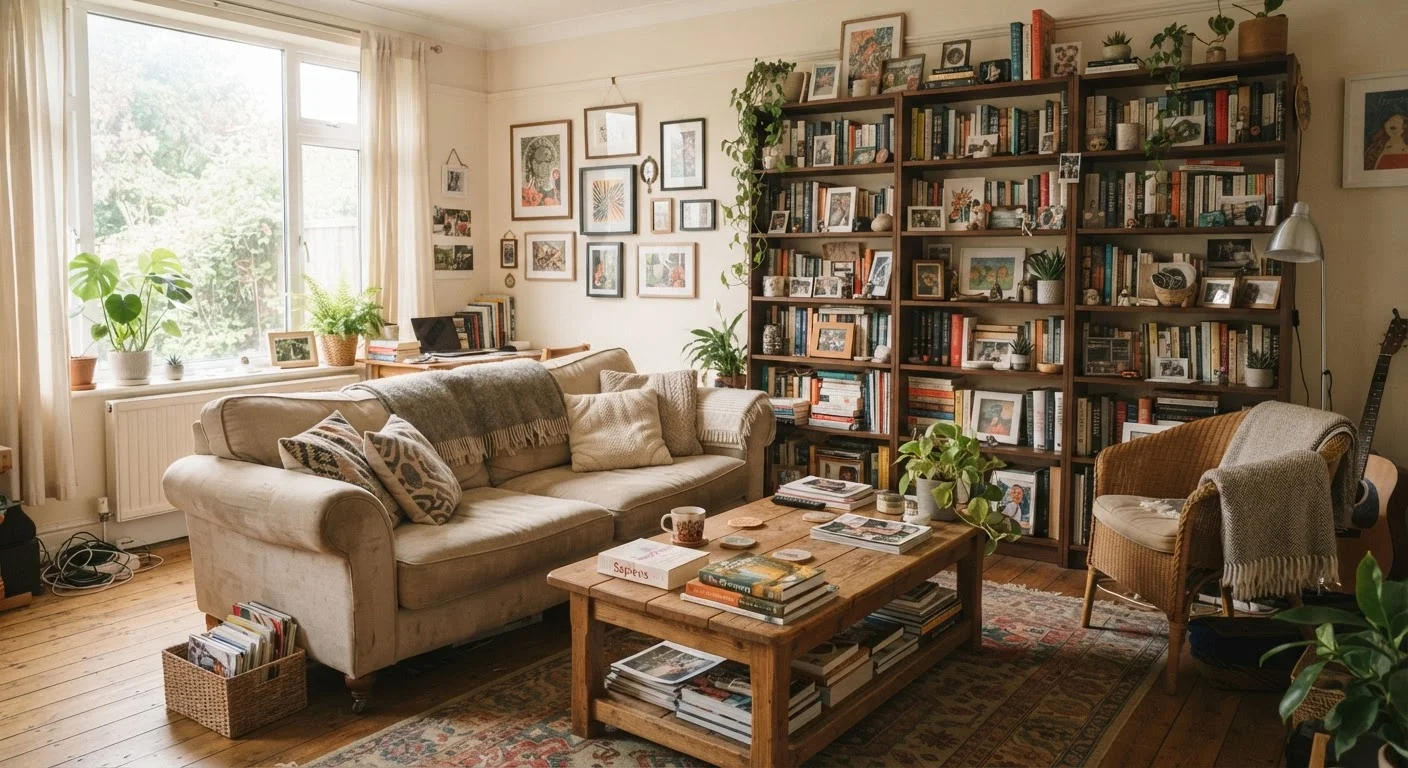
If your living room already feels chaotic, it may not be purely a kid problem. As explored in our piece on why rooms feel cluttered even after cleaning, layout and storage structure play an outsized role in how tidy a space actually reads - regardless of how much stuff is in it.
The practices below address the most common design challenges families face, from choosing the right upholstery to creating zones that give kids freedom without ceding the whole house.
Core Practices for a Family-Proof Home
These approaches are grounded in practical interior design principles that balance durability, safety, and livability for mixed-age households.
Choose performance or tightly woven upholstery fabrics for seating
Standard upholstery absorbs stains and traps crumbs quickly, making it hard to maintain. Performance fabrics - such as solution-dyed acrylics or tightly woven polyester blends - resist liquid penetration and can be wiped clean, dramatically extending the life of sofas and chairs in high-use homes.
Build in dedicated, accessible storage for children's items in shared rooms
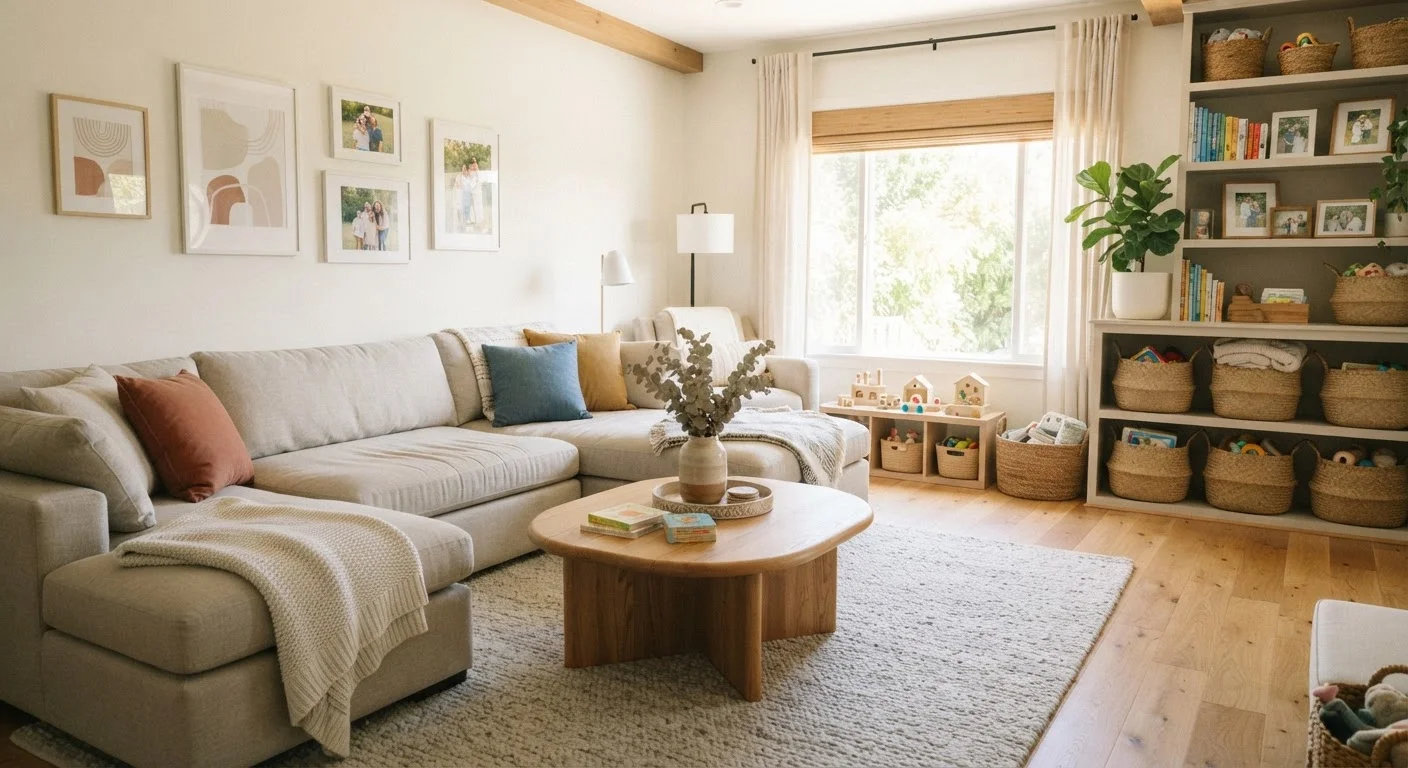
When kids have no designated place to store their belongings in common areas, those items default to every flat surface. Low baskets, labeled bins, or a small cubby within a living room give children ownership of tidying up and keep adult areas clearer.
Select furniture with rounded edges and stable, tip-resistant construction
Sharp-cornered tables and top-heavy shelving are genuine hazards in homes with young children. Rounded or cushioned edges reduce injury risk, and anchoring tall furniture to wall studs prevents tip-overs - one of the more common household accidents involving children.
Use washable, slip-resistant area rugs to define spaces and reduce hazards
Rugs add warmth and delineate zones, but rugs that slide create fall risks and rugs that can't be laundered accumulate allergens and stains. Machine-washable rugs with non-slip backings or paired rug pads address both issues at once.
Create a visual anchor with a consistent, neutral color palette and add color through easily replaced accents
Painting walls and buying furniture in calm, neutral tones gives the room a cohesive adult aesthetic that doesn't clash with the inevitable presence of colorful toys and kids' artwork. Pops of color through pillows, baskets, or wall art can shift with a child's age without requiring a full room overhaul.
Small Changes You Can Make This Weekend
Not every improvement requires a renovation or a large budget. Several high-impact adjustments can be made in a single afternoon - and they compound over time into a noticeably calmer, more functional home.
For families working within a tight renovation budget, it's worth reviewing general guidance on budgeting basics before committing to larger purchases or room updates.
Designing Zones That Work for Everyone
One of the most effective strategies in a family home is zoning: deliberately carving a room into areas with different purposes. A living room, for example, might have a clearly defined reading corner with low shelves and floor cushions for children alongside a separate adult seating area anchored by a sofa and side table.
Zoning Works in Small Homes Too
You don't need a large home to create meaningful zones. Even in compact apartments, a low shelf unit or a change in rug texture can signal a child's area without building any walls. For more strategies on making limited square footage work harder for the whole family, see our guide on small-space living.
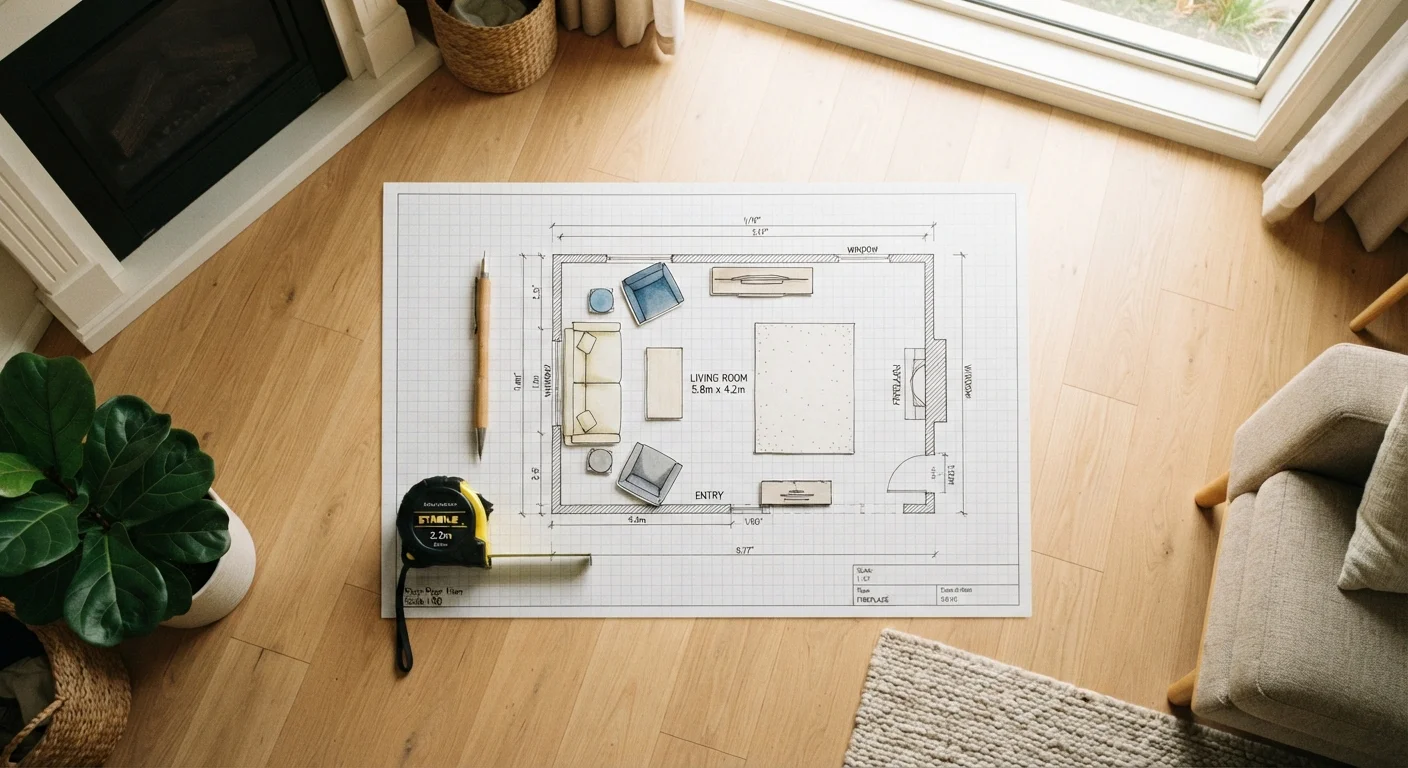
Zoning doesn't require walls. Area rugs, furniture arrangement, and even lighting can signal distinct zones within an open plan. Before rearranging anything heavy, consider using graph paper or a simple digital tool - our guide on rearranging furniture without lifting a single piece walks through how to plan layouts in advance.
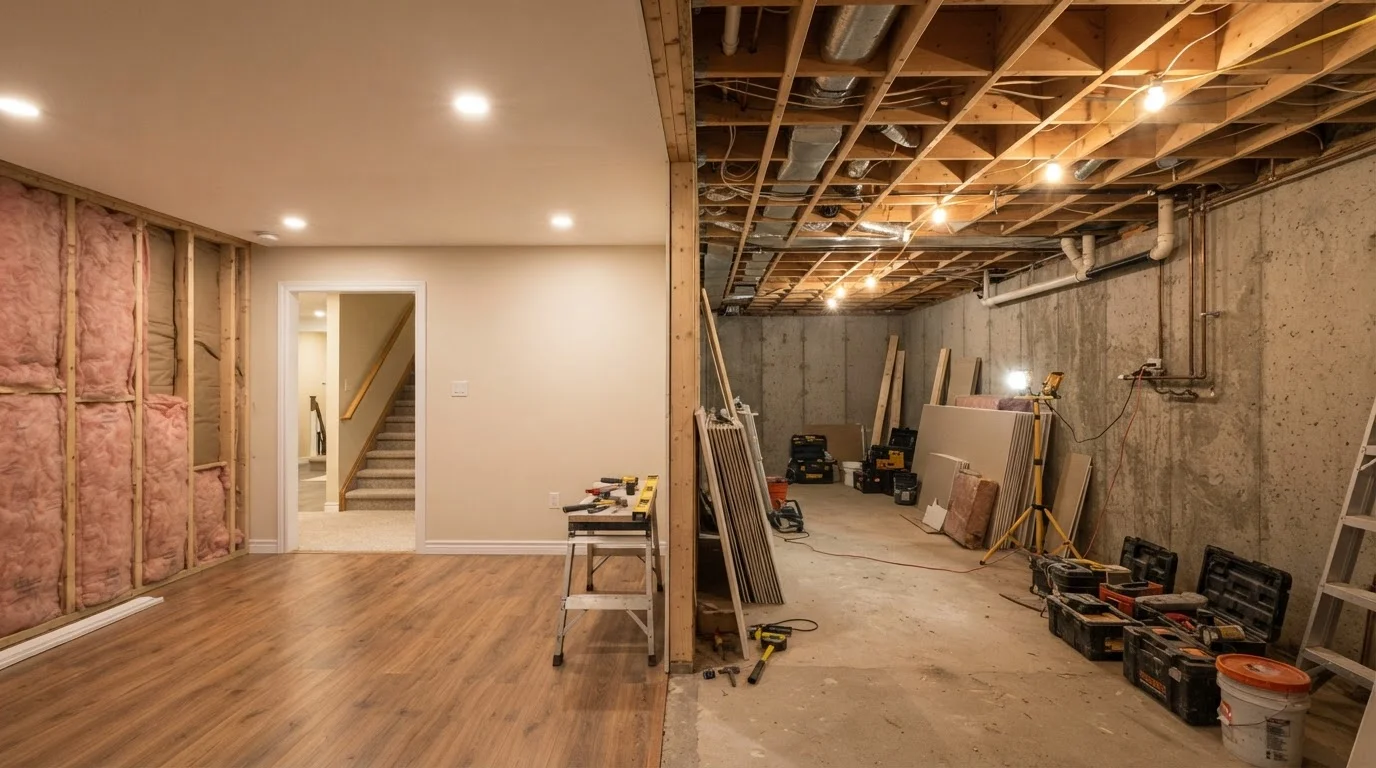
If your family has outgrown its current square footage, you may also want to explore whether a finished basement could add meaningful living space - though that decision comes with real cost and moisture considerations covered in our article on finishing your basement.
The goal isn't a home that looks like a showroom or a daycare - it's a home that holds the full, messy reality of family life without making anyone feel like a guest in their own space.