Your Workout Sets the Stage - Sleep Does the Building
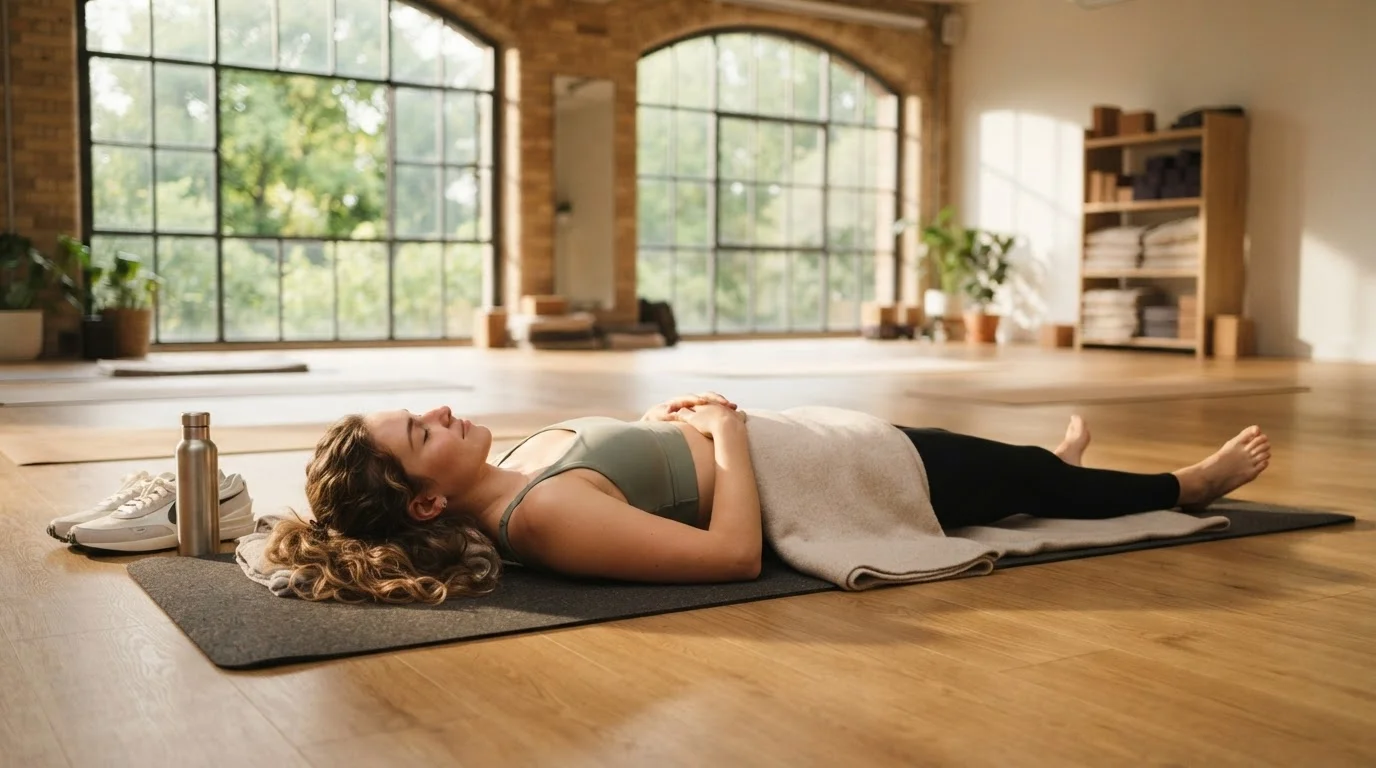
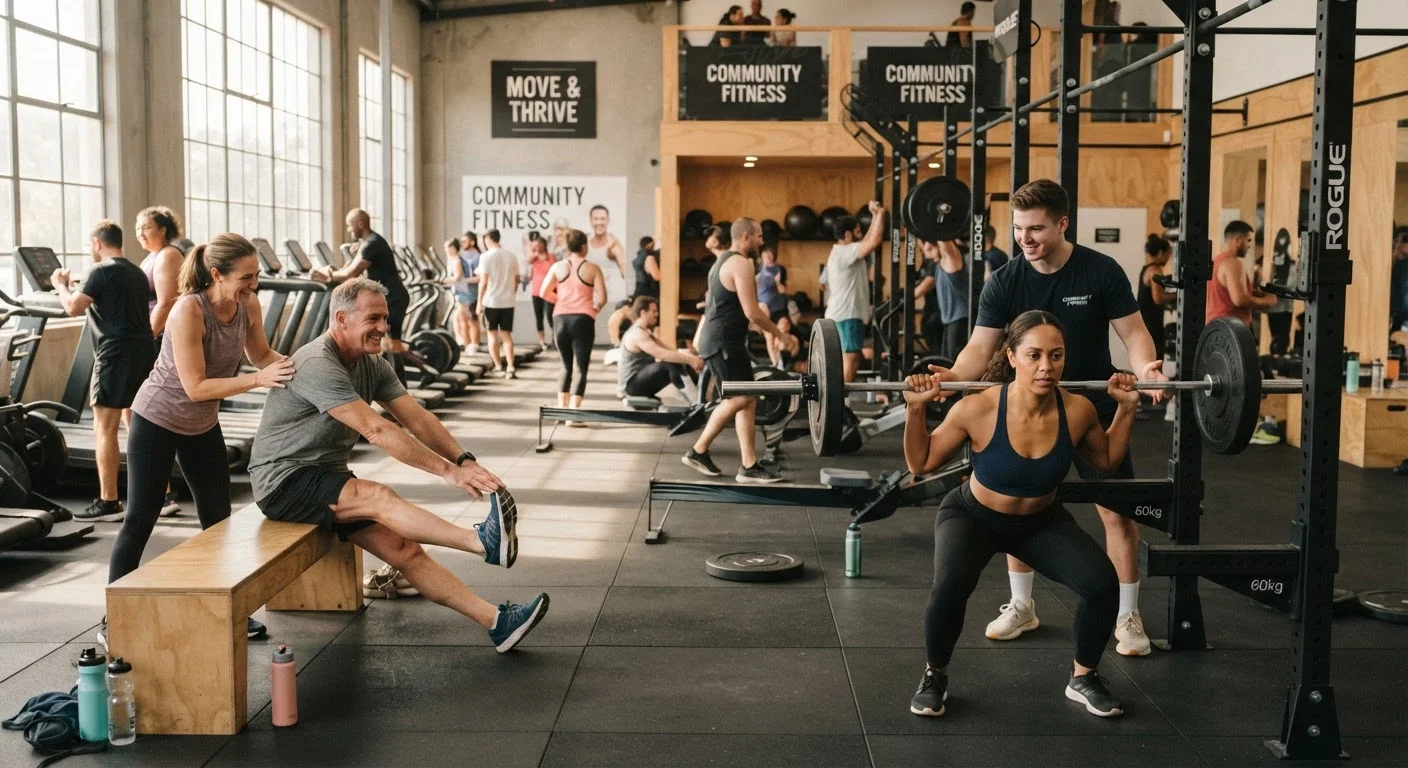
There's a common belief that the workout is where the magic happens. In reality, exercise is a controlled stress - it creates microscopic damage in muscle fibers and depletes energy stores. The actual adaptation, the stronger muscle and improved endurance, develops during recovery. And the most productive period of recovery is sleep.
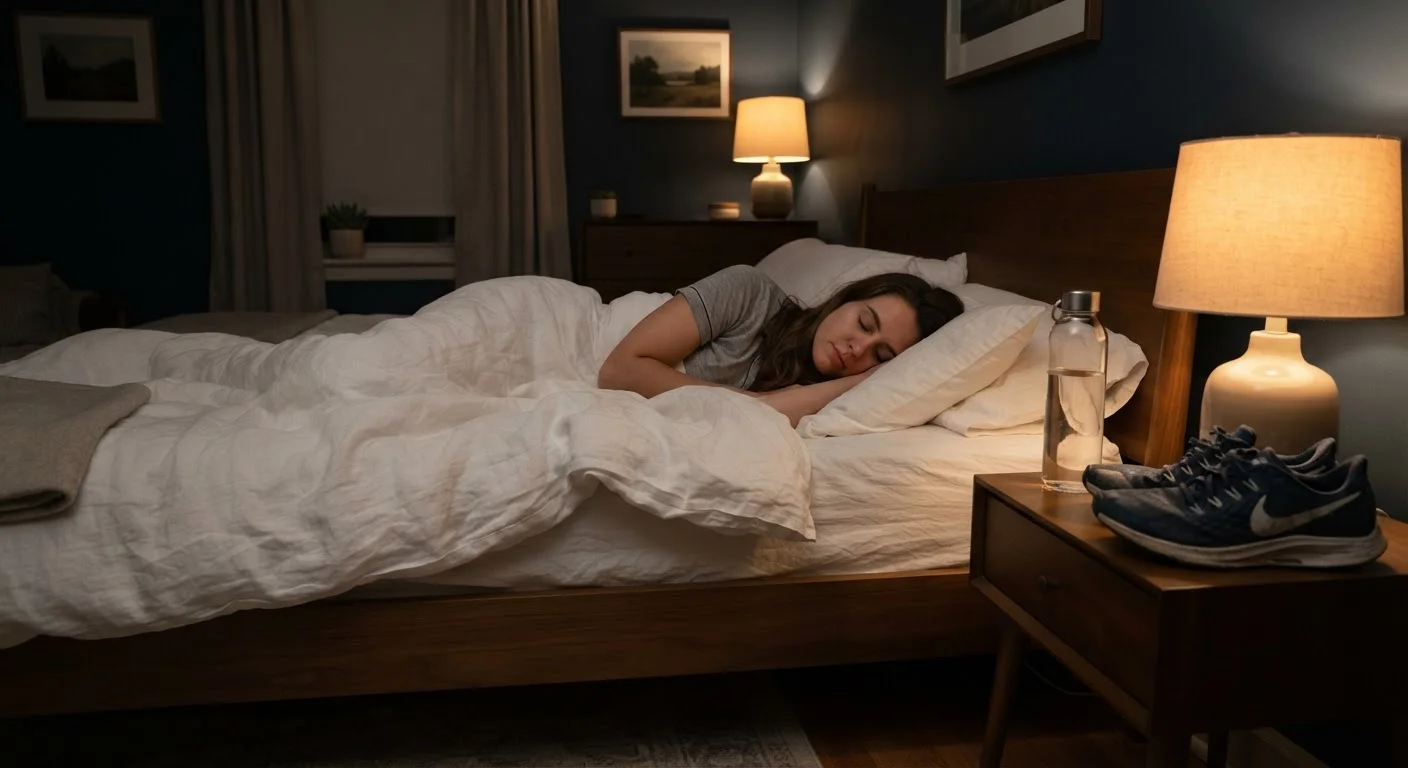
During the deepest stages of non-REM sleep, the pituitary gland releases a surge of human growth hormone (HGH). This hormone signals muscles to repair and grow, supports fat metabolism, and helps replenish the energy systems taxed by exercise. Shortchange your sleep and you shortchange this entire process, regardless of how hard you trained.
This is why skipping recovery time - whether it's rest days or adequate sleep - can quietly work against your goals rather than accelerating them.
The Hormonal Ripple Effect of Poor Sleep
Sleep doesn't just affect how rested you feel - it directly influences the hormonal environment your body needs to adapt to training. Two hormones are especially relevant here: cortisol and testosterone.
Cortisol is a stress hormone that, in elevated amounts over time, promotes muscle breakdown (catabolism) and fat storage. Research has shown that even a few nights of poor sleep can push cortisol levels higher. At the same time, sleep deprivation has been associated with reduced testosterone levels, a hormone critical for muscle synthesis in both men and women.
The net effect: your body becomes hormonally less prepared to build muscle and more primed to break it down. This helps explain why common fitness myths about pushing harder at the expense of rest can backfire.
7-9 hrs
Recommended nightly sleep for adults
According to the Centers for Disease Control and Prevention (CDC) and the American Academy of Sleep Medicine.
~24%
Drop in testosterone after one week of sleep restriction
A study published in JAMA found that restricting healthy young men to five hours of sleep per night for one week reduced daytime testosterone levels significantly.
1 in 3
American adults not getting enough sleep
The CDC estimates that about one-third of U.S. adults regularly sleep less than the recommended amount.
Performance, Focus, and the Brain-Body Connection
Sleep deprivation doesn't only affect what happens to your muscles at a cellular level - it affects how you show up to every workout. Coordination, reaction time, decision-making, and pain tolerance are all measurably impaired after inadequate sleep. For athletes, this raises injury risk. For everyday exercisers, it means sessions feel harder than they should, motivation dips, and form suffers.
There's also a strong link between sleep and mental resilience. When you're fatigued, sticking to your plan takes more willpower, and the reward from exercise feels less satisfying. The relationship between sleep and mental health is bidirectional - poor sleep can worsen mood and motivation, making it harder to maintain healthy exercise habits over time.
Make Sleep Part of Your Training Log
Just as you track your sets, reps, or miles, consider noting your sleep duration and quality alongside your workouts. Over several weeks, patterns often emerge - you may notice your best sessions follow your best nights of sleep. This kind of awareness can be a powerful motivator to protect rest time as seriously as workout time.
Building Sleep Into Your Fitness Routine
Treating sleep as a genuine part of your training plan - not just downtime - is a meaningful shift. Here are evidence-aligned habits to consider:
- Consistent schedule: Going to bed and waking up at the same time daily, even on weekends, supports your body's circadian rhythm and makes deeper sleep more achievable.
- Wind-down window: A buffer of 30-60 minutes before bed that's free from bright screens and high stimulation helps signal your nervous system to shift toward rest.
- Nutrition timing: Large meals very close to bedtime can disrupt sleep quality in some individuals. General guidance suggests finishing heavier meals at least two to three hours before sleep, though individual responses vary.
- Moderate evening exercise: For most people, moderate evening exercise doesn't impair sleep. However, very intense late-night sessions may delay sleep onset for some - pay attention to your own patterns.
If you're consistently struggling to fall or stay asleep, consult a healthcare provider. Sleep disorders are common and treatable, and addressing them can meaningfully improve both health and fitness outcomes.
This article is for general informational and educational purposes only and is not a substitute for professional medical advice. Always consult a qualified healthcare provider regarding sleep concerns, health conditions, or changes to your exercise routine.