Why Preparation Makes Your First Visit Count
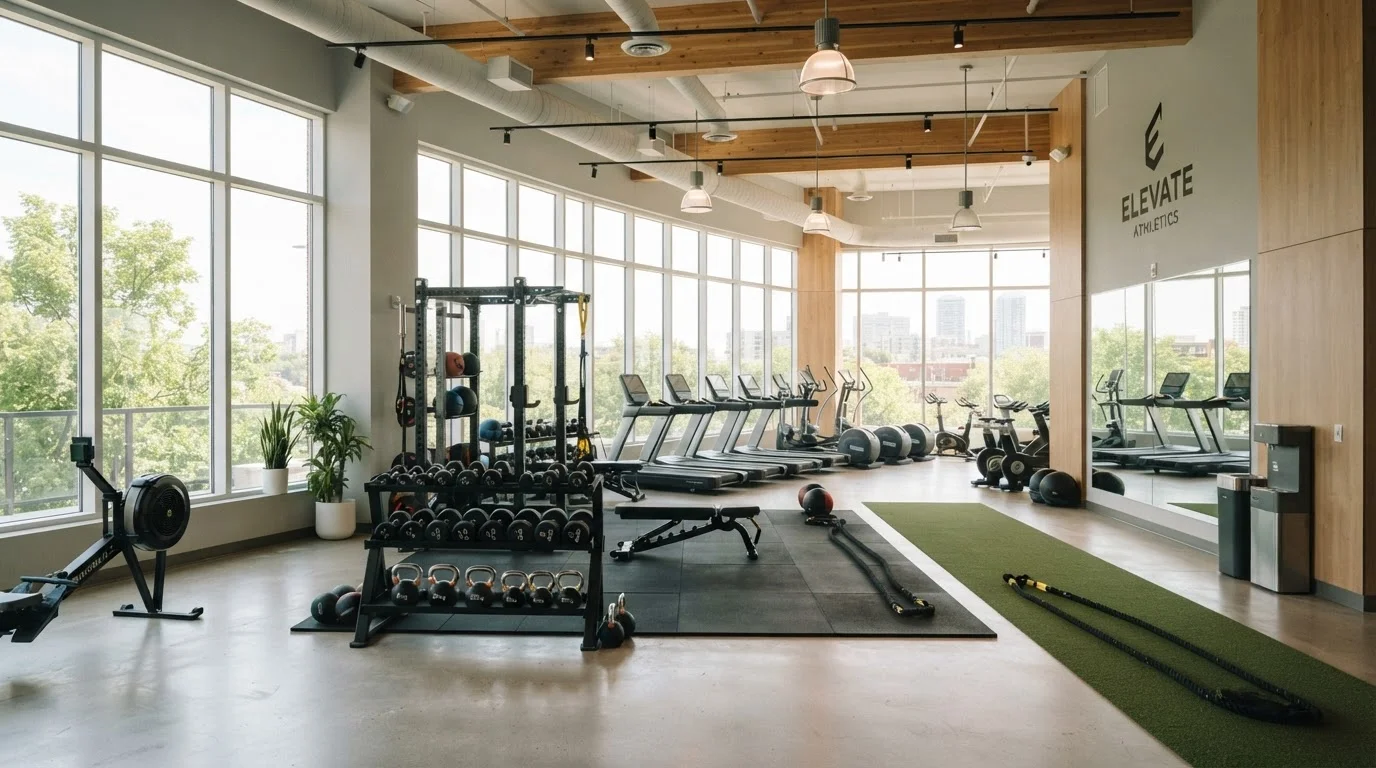
Walking into a gym for the first time can trigger a rush of self-consciousness - unfamiliar equipment, people who seem to know exactly what they're doing, and no clear starting point. That feeling is almost universal among new gym-goers, and it rarely reflects reality. Most regular gym members are focused on their own workouts and are generally welcoming toward newcomers.
The most effective antidote to first-visit anxiety is simply knowing what to expect. When you walk in with a clear plan for what to bring, how to navigate the space, and what to actually do, the experience shifts from intimidating to energizing. This checklist is designed to give you exactly that foundation - whether you're returning to exercise after a long break or stepping into a gym for the very first time.
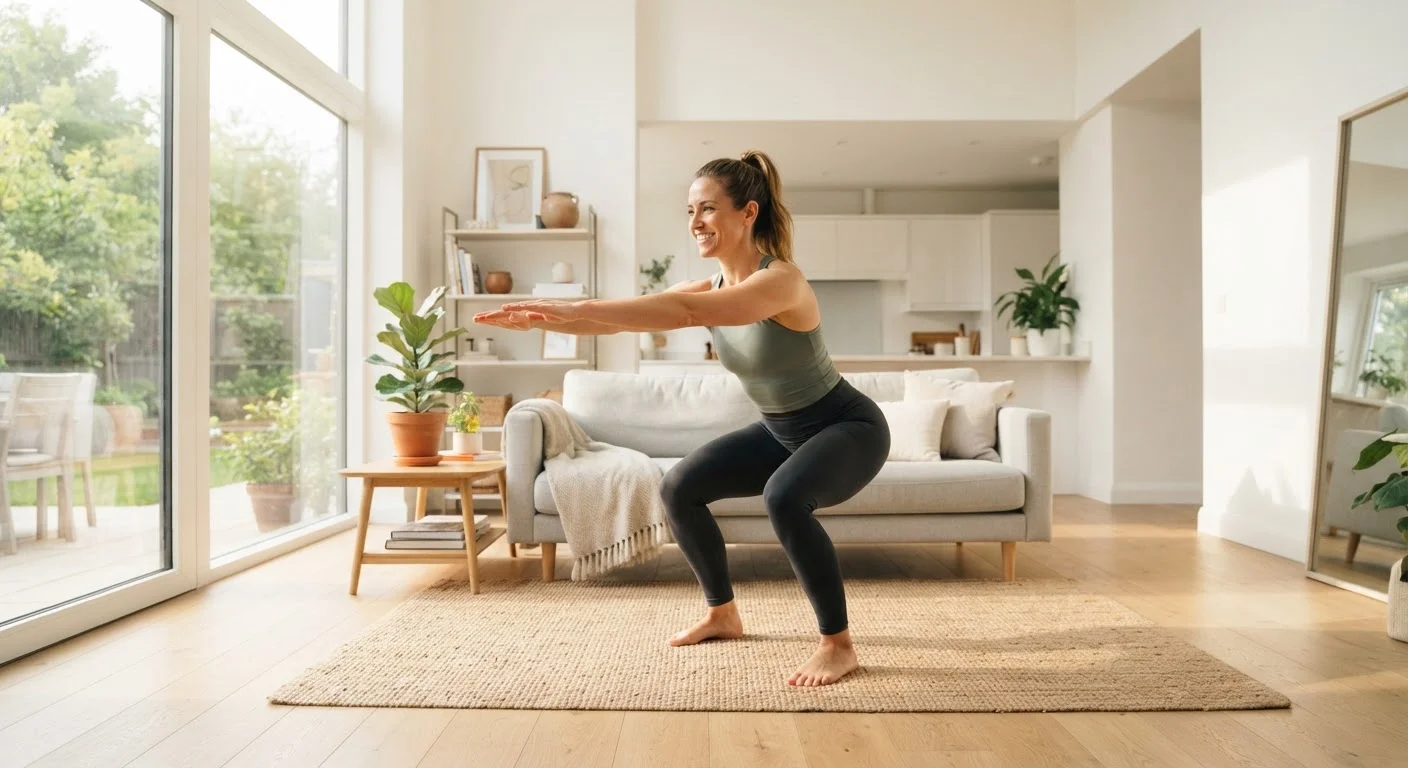
If you're still weighing whether a gym membership suits your lifestyle at all, it's worth noting that structured home training is a legitimate alternative. See our guide to building a home workout routine without equipment for a full comparison of what's possible outside the gym.
Athletic shoes with lateral support
Provides stability and cushioning during cardio and strength exercises.
Reusable water bottle
Keeps you hydrated throughout your session without single-use waste.
Small gym towel
Used to wipe sweat from your face and drape over equipment for hygiene.
Combination padlock
Secures your belongings in a locker while you work out.
Wireless earbuds or headphones
Allows you to listen to music or podcasts without disturbing other members.
Fitness tracking app or notepad
Helps you log exercises and track progress from your very first session.
Your Complete First-Gym-Visit Checklist
Work through this checklist before, during, and after your visit. Items are grouped by phase so you can use it as a practical reference at each stage - not just once.
Before You Go
Arriving and Orienting
During Your Workout
Wrapping Up and Following Through
Don't Skip the Equipment Orientation
Using resistance machines or free weights incorrectly is one of the most common causes of gym-related injuries among beginners. If a machine's adjustment levers or cable settings aren't immediately clear, stop and ask a staff member or trainer for a demonstration before loading any weight. Taking two minutes to learn correct setup is always worth it.
This article is for general informational purposes only and is not a substitute for advice from a qualified healthcare or fitness professional. If you have a pre-existing health condition, recent injury, or any concerns about beginning an exercise program, consult your doctor or a licensed health professional before starting.