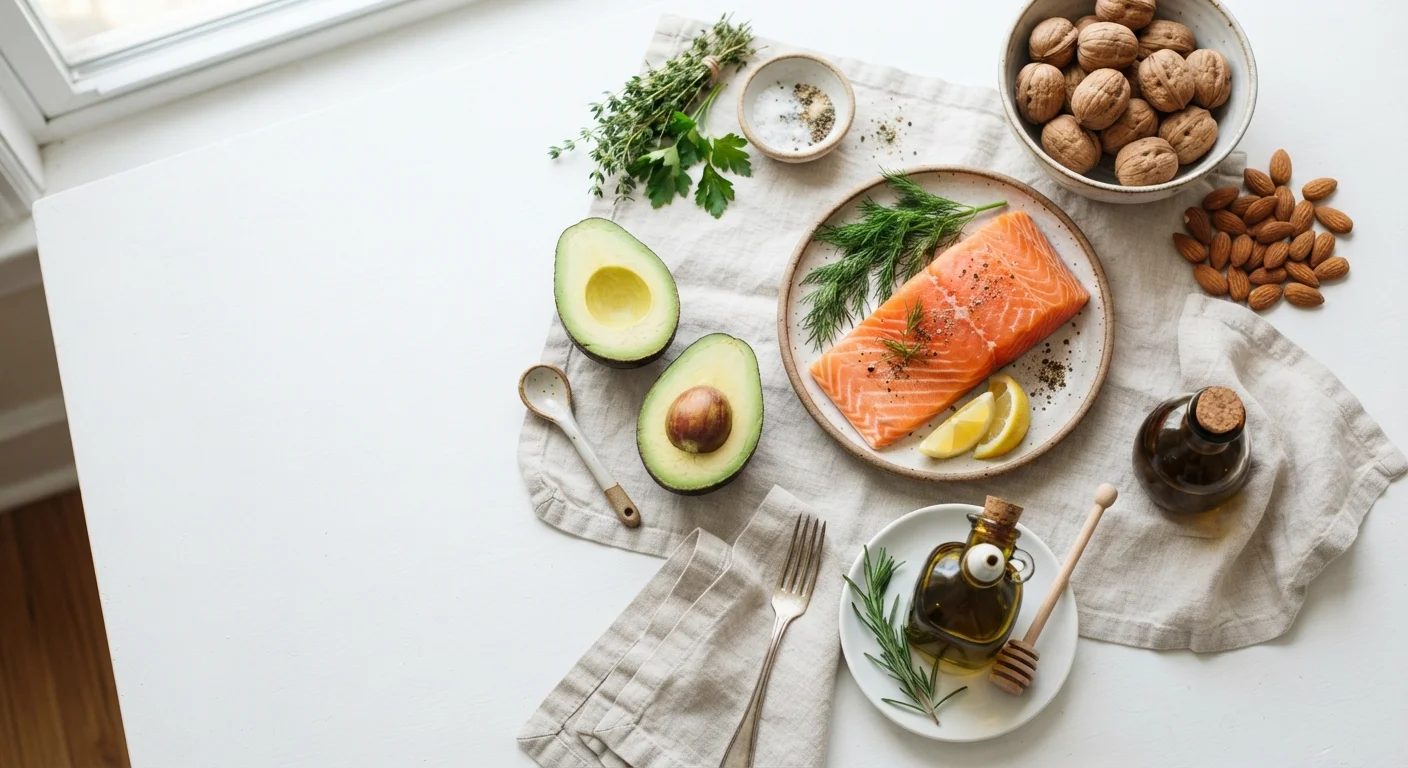

Why Protein Source Matters
Protein is essential for building and repairing tissue, supporting immune function, and producing enzymes and hormones. Yet not all dietary protein arrives in the body the same way. The source - whether from an animal or plant - shapes how completely and efficiently the body can use it.
Proteins are made of amino acids. Nine of these are classified as essential, meaning the body cannot synthesize them and must obtain them from food. Animal proteins generally contain all nine essential amino acids in proportions the body readily uses, a quality described as being complete proteins. Most single plant proteins are incomplete - lower in one or more essential amino acids - though a varied plant-based diet can address this across the course of a day.
Understanding what each major protein source actually provides helps any eater - whether omnivore, flexitarian, vegetarian, or vegan - make more informed choices. For a broader look at how these foods fit into structured dietary approaches, see our comparison of Mediterranean, DASH, and plant-based eating patterns.
Poultry (Chicken and Turkey)
Chicken breast and turkey are among the most widely consumed protein sources in the United States, and for practical reasons. A 3.5-ounce (100g) serving of cooked chicken breast delivers roughly 31 grams of protein with relatively low saturated fat compared to red meat. Turkey offers a comparable profile.
Both are complete proteins, providing all nine essential amino acids. They are also good sources of B vitamins - particularly niacin (B3) and B6 - as well as selenium and phosphorus. Skin-on preparations significantly increase saturated fat content, so cooking method and preparation matter for the overall nutritional picture.
Chicken breast delivers around 31 grams of protein per 3.5-ounce serving with relatively low saturated fat.
Eggs
Eggs are frequently cited in nutrition research as a reference protein because their amino acid profile and bioavailability are exceptionally well-matched to human needs. One large egg provides approximately 6 grams of protein, with the white supplying most of it and the yolk contributing fat-soluble vitamins including D, A, and choline - a nutrient important for brain and liver health.
The dietary cholesterol in eggs was once a significant concern, but current nutritional research and major guidelines have shifted toward a more nuanced position, noting that for most healthy people, moderate egg consumption does not substantially raise cardiovascular risk. Individual responses vary, and those with specific lipid conditions should discuss egg intake with their healthcare provider.
Eggs are considered a reference protein due to their exceptional amino acid balance and bioavailability.
Fish and Seafood
Fish offers complete protein alongside nutrients rarely found together in other foods. Fatty fish such as salmon, mackerel, and sardines are among the richest dietary sources of long-chain omega-3 fatty acids (EPA and DHA), which are associated with cardiovascular and cognitive health in population research. A 3.5-ounce serving of cooked salmon provides roughly 25 grams of protein.
Leaner white fish like cod or tilapia deliver comparable protein with very little fat. Shellfish such as shrimp, mussels, and oysters are also high-protein options and contribute zinc, iron, and iodine. Concerns about mercury exposure are relevant for certain species - particularly for pregnant individuals and young children - so variety across species is generally advisable.
Fatty fish combine complete protein with omega-3 fatty acids, making them nutritionally distinctive among animal sources.
Legumes (Beans, Lentils, and Peas)
Legumes are the cornerstone of plant-based protein eating. Cooked lentils provide approximately 18 grams of protein per cup, while black beans, chickpeas, and kidney beans each contribute 14-16 grams per cup. Beyond protein, legumes offer substantial dietary fiber, folate, iron, potassium, and magnesium - a nutrient combination that supports digestive health and is associated with reduced cardiovascular risk in observational studies.
Legumes are generally low in the essential amino acid methionine, but pairing them with grains such as rice or whole wheat across meals provides a complementary amino acid profile. They are also economical and shelf-stable, making them practically accessible protein choices.
Cooked lentils provide around 18 grams of protein per cup, plus fiber and key micronutrients animal sources lack.
Tofu and Tempeh
Both made from soybeans, tofu and tempeh are among the few plant proteins considered complete - soybeans contain all nine essential amino acids. Firm tofu typically provides 8-10 grams of protein per 3.5-ounce serving; tempeh, which is fermented, delivers closer to 19 grams per 3.5 ounces and adds probiotic-related compounds from the fermentation process.
Soy-based foods have been studied extensively. Current evidence from major health organizations does not support concerns that moderate soy consumption harms hormonal health in most adults. Both tofu and tempeh are versatile in cooking and absorb flavors readily, making them practical options for plant-forward meals.
Tempeh delivers close to 19 grams of protein per 3.5 ounces and is one of the most protein-dense plant foods available.
Dairy and Dairy Alternatives
Cow's milk, Greek yogurt, and cottage cheese are concentrated protein sources with high bioavailability. Greek yogurt provides roughly 17-20 grams of protein per 6-ounce serving and also delivers calcium and live cultures associated with gut health. Cottage cheese offers a similar protein density and is particularly high in casein, a slow-digesting protein.
For those avoiding dairy, fortified soy-based milk and yogurt alternatives come closest to matching the protein content of cow's milk - typically 6-8 grams per serving. Most other plant-based milk alternatives (oat, almond, rice) contain significantly less protein and should not be assumed as equivalent substitutes for protein intake purposes.
Greek yogurt can supply 17-20 grams of protein per serving, making it one of the most efficient snack-format protein sources.
Nuts, Seeds, and Nut Butters
Nuts and seeds contribute meaningful protein alongside healthy unsaturated fats, vitamin E, and minerals. Hemp seeds stand out with approximately 9-10 grams of complete protein per 3 tablespoons. Pumpkin seeds, almonds, and sunflower seeds each offer 5-9 grams per ounce. Two tablespoons of peanut butter provides around 7-8 grams.
These foods are calorie-dense, so portion awareness is practical for those monitoring energy intake. They function well as protein contributors within meals rather than standalone primary protein sources. Nut and seed consumption is consistently associated with positive cardiovascular markers in large observational studies, partly due to their fat quality - a topic explored in depth in our overview of dietary fat types.
Hemp seeds are among the rare plant sources providing complete protein, with around 9-10 grams per 3-tablespoon serving.
Choosing Protein Sources That Work for You
No single protein source is nutritionally perfect for every person in every context. Each comes with trade-offs worth understanding: fat type, fiber content, environmental footprint, cost, and cooking versatility all factor into real-world dietary decisions.
Practical Tip for Plant-Forward Eaters
If your diet relies primarily on plant proteins, aim for variety across legumes, grains, nuts, and soy-based foods over the course of each day rather than worrying about combining specific foods at every single meal. This approach naturally covers the essential amino acid range without requiring precise tracking. A registered dietitian can offer personalized guidance for specific health goals or restrictions.
It is worth noting that protein is rarely consumed in isolation. Red and processed meats, for example, often carry saturated fat and sodium alongside their protein. Fatty fish add heart-supportive omega-3s. Legumes pair protein with soluble fiber and micronutrients. These accompanying nutrients matter. For more on how fat type interacts with overall diet quality, our guide to dietary fats covers the research clearly.
This article is for general informational and educational purposes only and is not a substitute for professional medical or dietary advice. Individual nutritional needs vary. Please consult a qualified healthcare provider or registered dietitian before making significant changes to your diet.