What Homeowners Can Realistically Handle
Roof maintenance doesn't have to mean hiring a contractor for every task. Several inspection and upkeep jobs are manageable for a careful homeowner with basic equipment - and doing them consistently can extend your roof's life considerably. That said, knowing where your safe limit ends is just as important as knowing what you can do.
The tasks described here are appropriate for low-slope or single-story roofs where you can work from a stable ladder positioned at the gutters, or in some cases entirely from the ground with binoculars. If your roof is steeply pitched, more than one story, or shows signs of structural damage, stop and call a licensed roofing contractor. As a general principle: no maintenance task is worth a fall.
Ground-Level Visual Inspections: Your First Line of Defense
You don't need to set foot on the roof to catch many warning signs. A twice-yearly walkabout - ideally in spring after winter weather and in fall before it - with a good pair of binoculars gives you a reliable read on surface conditions.
Look for missing, curled, or cracked shingles. Check for dark streaking (often algae) or patches where granules have worn away, leaving shingles with a shiny or bare appearance. Examine flashing - the metal strips around chimneys, vents, and skylights - for visible gaps or rust. Any sagging areas in the roofline itself indicate structural concern and warrant a professional evaluation immediately.
“The most expensive roof repair is usually the one that was preventable. Most homeowners who lose a roof prematurely simply didn't know what to look for - or didn't look at all.”
— National Roofing Contractors Association, Industry trade association representing roofing contractors across North America
Incorporate a roof check into your seasonal home maintenance routine so it becomes a habit rather than an afterthought.
Gutter Cleaning and Downspout Maintenance
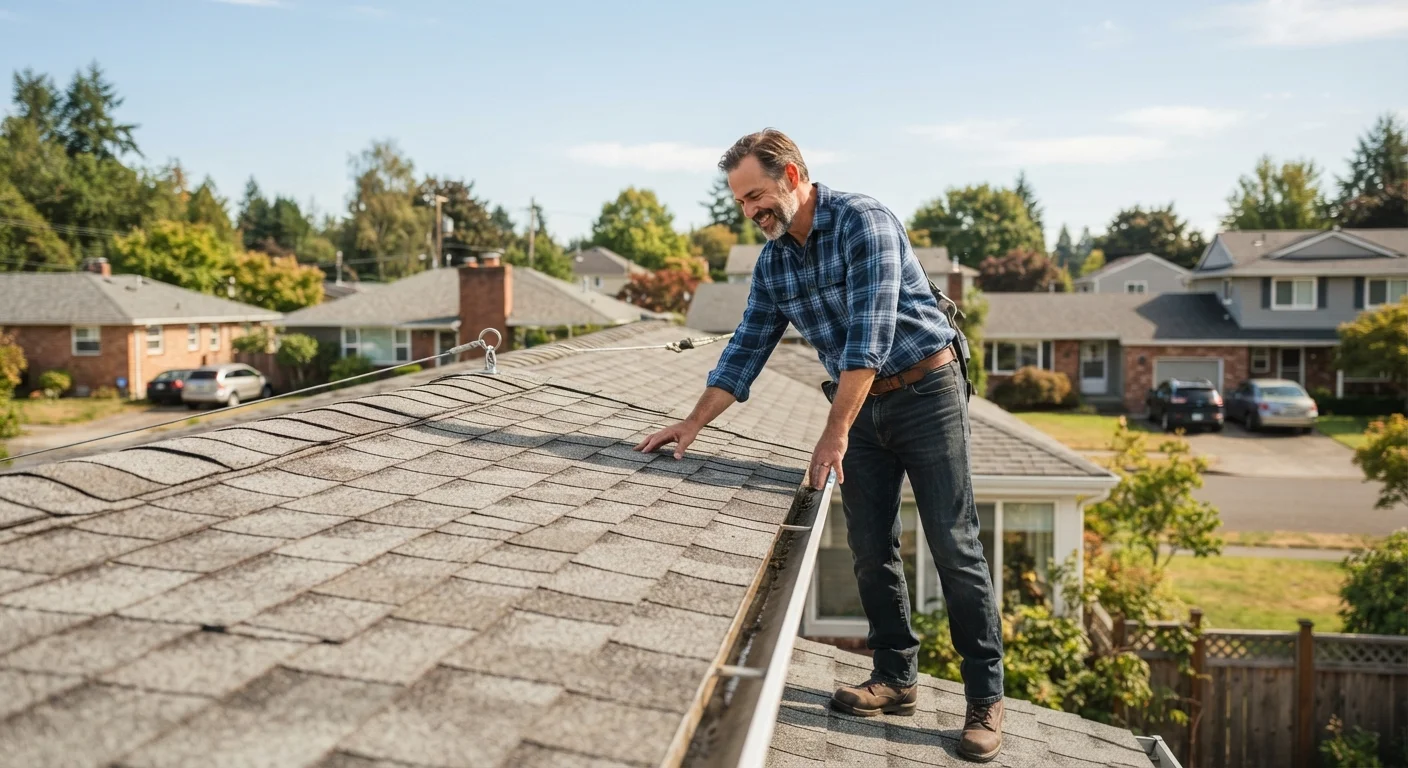
Clogged gutters are one of the leading causes of roof edge damage, fascia rot, and even foundation issues. Cleaning them out is the single highest-impact maintenance task most homeowners can safely perform themselves - typically twice a year, and after heavy storms.
Work from a stable, footed ladder positioned on level ground. Never lean out past the ladder's side rails. Use a gutter scoop or gloved hands to remove debris, then flush the gutters and downspouts with a garden hose to confirm water flows freely. If downspouts are blocked and flushing doesn't clear them, a plumber's snake often does - but persistent blockages may signal a need for professional attention.
While you're at the gutters, look for loose hangers, separated seams, or gutters pulling away from the fascia. These are fixable with gutter screws (preferred over spikes) or sealant designed for the material - both common hardware-store items. Not sure what else to look for up close? Our guide on realistic DIY limits helps you gauge your comfort zone honestly.
When to Call a Professional - No Exceptions
Empowerment in home maintenance also means recognizing hard limits. The following situations require a licensed roofing contractor, not a motivated homeowner:
- Any work on a steep-pitch or multi-story roof - the fall risk is not manageable without professional safety equipment and training.
- Replacing or repairing flashing around a chimney - improper flashing is a leading cause of leaks, and mistakes are often invisible until water damage has already spread.
- Suspected structural damage - sagging decking, soft spots, or visible interior water stains suggest the roof deck may be compromised.
- Significant shingle replacement - patching a handful of shingles in an accessible spot is occasionally DIY-appropriate, but widespread replacement involves underlayment and proper nailing patterns that affect your roof's weather resistance.
Permits and Local Codes Matter
Roofing work regulations vary significantly by state and municipality. Some jurisdictions require permits for any work beyond simple shingle-for-shingle replacement; others have specific requirements for fire-rated materials in wildfire-prone areas. Always check with your local building department before starting any roof repair beyond basic cleaning and inspection. A contractor familiar with local codes is your best resource for navigating these requirements.
If you're ever unsure whether roof work requires a permit in your area, contact your local building department before starting. Unpermitted work can complicate home sales and may affect homeowners insurance claims. Speaking of which - maintaining good records of your inspections and any repairs can be valuable documentation if you ever need to file a claim. See general guidance on insurance claims and coverage for context.
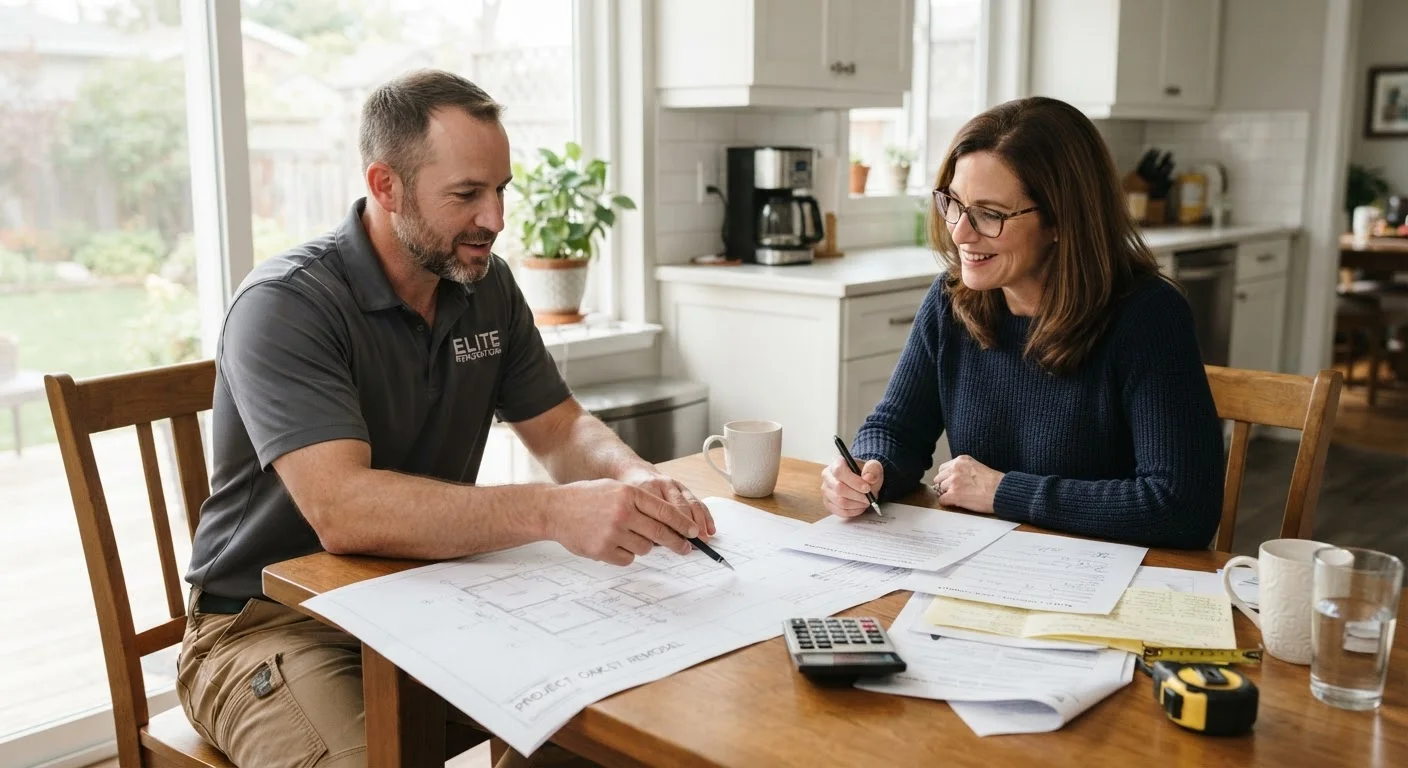
For more on what to ask before hiring anyone, review our primer on hiring a roofing contractor.
This article provides general home maintenance information for educational purposes. It is not a substitute for professional inspection or advice from a licensed roofing contractor. Always verify local building codes and permit requirements before undertaking any home improvement work.