
Why a Structured Check-In Works
Most people only pause to assess their mental health when something feels noticeably wrong. By then, smaller stressors may have quietly compounded for weeks. A regular, structured check-in - like an annual physical for your emotional health - helps you catch those gradual shifts early, when your options for responding are widest.
This checklist is not a diagnostic tool and cannot replace professional evaluation. It is general self-reflection guidance designed to increase your self-awareness. If any responses concern you, or if distress is persistent, please speak with a licensed mental health professional. Think of this as your personal signal system: the questions prompt honest observation, and honest observation guides better decisions.
For a complementary daily structure, see how consistent daily habits can support emotional health. And if your check-in surfaces stress you suspect may have tipped into burnout, understanding the difference between stress and burnout is worth reading alongside this one.
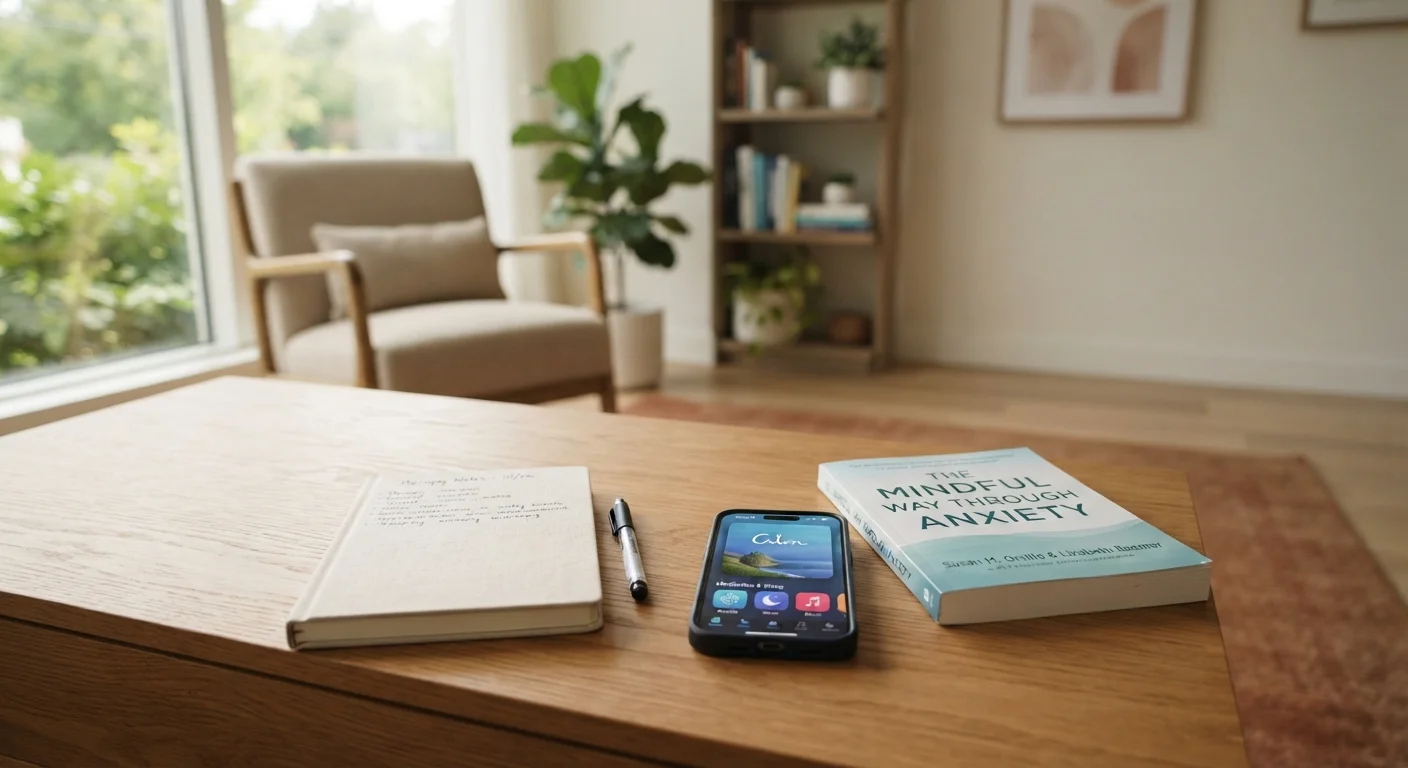
Journal or notebook
Recording written answers deepens reflection and makes patterns visible over time.
Notes or voice-memo app
A digital alternative to pen and paper for capturing responses during the check-in.
Calendar reminder
Schedule recurring check-ins so the habit becomes consistent rather than reactive.
Mental health professional contact
Having a therapist or counselor's information on hand makes it easier to reach out when the check-in surfaces persistent concerns.
How to Use This Checklist
Set aside 15-30 uninterrupted minutes in a quiet space. A journal or notes app works well for recording answers - writing activates a different kind of reflection than mental review alone. Work through each question honestly; there are no right answers, only accurate ones. Mark items that surface something unexpected or uncomfortable: those are your signal points to revisit.
Aim to run through this check-in at a regular cadence - monthly is a solid starting point, though some people benefit from a lighter weekly version covering just the mood and sleep sections. Over time, you will begin to notice patterns that a single session cannot reveal.
This Is Reflection, Not Diagnosis
No self-administered checklist can diagnose a mental health condition. These questions are designed to increase awareness, not to replace clinical assessment. If your check-in surfaces distress that is severe, prolonged, or includes thoughts of harming yourself, stop and contact a qualified mental health professional or crisis line immediately. For guidance on when self-help resources are sufficient versus when professional care is warranted, see the differences between therapy, self-help, and mental health apps.
Your Mental Well-Being Check-In Questions
Work through each group in order. You do not need to answer every item in a single sitting, but try to complete at least one full group before stopping.
Mood & Emotional State
Sleep & Physical Energy
Stress & Coping
Relationships & Social Connection
Sense of Purpose & Direction
When to Seek Professional Support
This checklist is for general informational and self-reflection purposes only. It is not a substitute for professional mental health assessment, diagnosis, or treatment. If you are experiencing persistent distress, thoughts of self-harm, or a mental health crisis, please contact a qualified healthcare provider or a crisis service immediately.