
Why Insurance Myths Are Expensive
Most policyholders don't read their insurance documents until they need to file a claim. By then, a misunderstood exclusion or a coverage gap they never knew existed can turn a bad situation into a financial crisis. These aren't edge cases — they're patterns insurers and consumer advocates see repeatedly.
This article corrects the most common misconceptions that lead policyholders to either pay for coverage they don't understand or discover too late that they lack coverage they assumed they had. For plain-language definitions of terms like exclusion, endorsement, and named perils, see our guide to confusing insurance terms.
Myth
My homeowners insurance covers flood damage.
Fact
Standard homeowners policies exclude flood damage. Flood coverage requires a separate policy, typically through the National Flood Insurance Program (NFIP) or a private flood insurer.
Flooding from external water sources — storm surge, overflowing rivers, heavy rainfall runoff — is specifically excluded from virtually all standard homeowners policies. The distinction matters even for events like hurricanes: wind damage may be covered, but the water damage that follows typically is not. Homeowners in moderate- or high-risk flood zones are often required by mortgage lenders to carry separate flood insurance, but anyone can purchase it. For a broader comparison of what homeowners and renters policies each cover, see homeowners vs. renters insurance.
Myth
If someone borrows my car and causes an accident, their insurance pays.
Fact
In most states, auto insurance follows the car, not the driver. If you lend your vehicle and the borrower causes a crash, your policy is typically the primary coverage — not theirs.
This is one of the most financially surprising auto insurance realities. When you hand over your keys, you're generally extending your coverage to the borrower. That means your deductible applies, and a claim could affect your future premiums. The borrower's own policy may act as secondary coverage if your limits are exhausted. Rules vary by state and policy, so review your policy language or ask your insurer what permissions — and restrictions — apply when someone else drives your vehicle. For a full breakdown of auto coverage types, see auto insurance coverage explained.
Myth
Missing a premium payment cancels my policy immediately.
Fact
Most policies include a grace period — typically 10 to 30 days — during which coverage continues even if a payment is late.
Insurers are generally required by state law to provide advance written notice before canceling a policy for nonpayment. A grace period gives policyholders a window to catch up without losing coverage. However, if the grace period expires without payment, coverage can lapse — and any claims filed during a lapse may be denied. Reinstatement may be possible, but it isn't guaranteed and may require additional steps. How grace periods and reinstatement work explains this process in detail.
Myth
Actual cash value and replacement cost value are the same thing.
Fact
They are different calculations. Actual cash value (ACV) deducts depreciation; replacement cost value (RCV) pays what it costs to replace the item new. The gap can be thousands of dollars.
Say a five-year-old roof is destroyed. An ACV policy pays what that roof was worth today — accounting for years of wear. An RCV policy pays what it costs to put a new roof on the house. The same logic applies to personal property: electronics, furniture, appliances. Many policyholders don't realize they have ACV coverage until they receive a claims check that falls well short of repair or replacement costs. Check your declarations page or policy endorsements to confirm which valuation method applies to your coverage. For more on policy structures, see Policy Terms Explained.
Myth
My landlord's insurance covers my belongings if something happens to my apartment.
Fact
A landlord's policy covers the building structure and the landlord's liability — not a tenant's personal property. Renters need their own policy.
If a fire, theft, or water leak damages your furniture, electronics, or clothing, your landlord's insurer has no obligation to compensate you. Renters insurance covers personal belongings and typically includes personal liability coverage — protection if someone is injured in your unit. It's one of the more affordable policy types available, yet many renters remain uninsured because they assume protection already exists. Learn more about renters insurance and what a standard policy includes.
What These Myths Actually Cost You
Each of these misconceptions has a real financial consequence. Assuming flood coverage exists leads homeowners to skip a separate flood policy, then face out-of-pocket repair bills after a major storm. Confusing actual cash value with replacement cost means receiving thousands less on a claim than anticipated. Believing a lapsed policy reinstates automatically can leave a driver uninsured mid-renewal.
~40%
Americans without flood insurance in flood-prone areas
FEMA has estimated that a significant share of households in moderate- to high-risk flood zones lack separate flood coverage, leaving them exposed after major weather events.
1 in 5
Renters who carry renters insurance
Industry surveys have consistently found that only a minority of US renters carry their own policy, despite the low average annual cost relative to the coverage provided.
The best defense is reading your declarations page — the document that summarizes exactly what you've purchased — and asking your agent to explain any line you don't recognize. For a closer look at the losses most standard policies exclude entirely, see common coverage gaps. And if you're deciding whether to file a claim at all, this overview walks through situations where holding off may serve you better.
Your Policy Document Is the Final Word
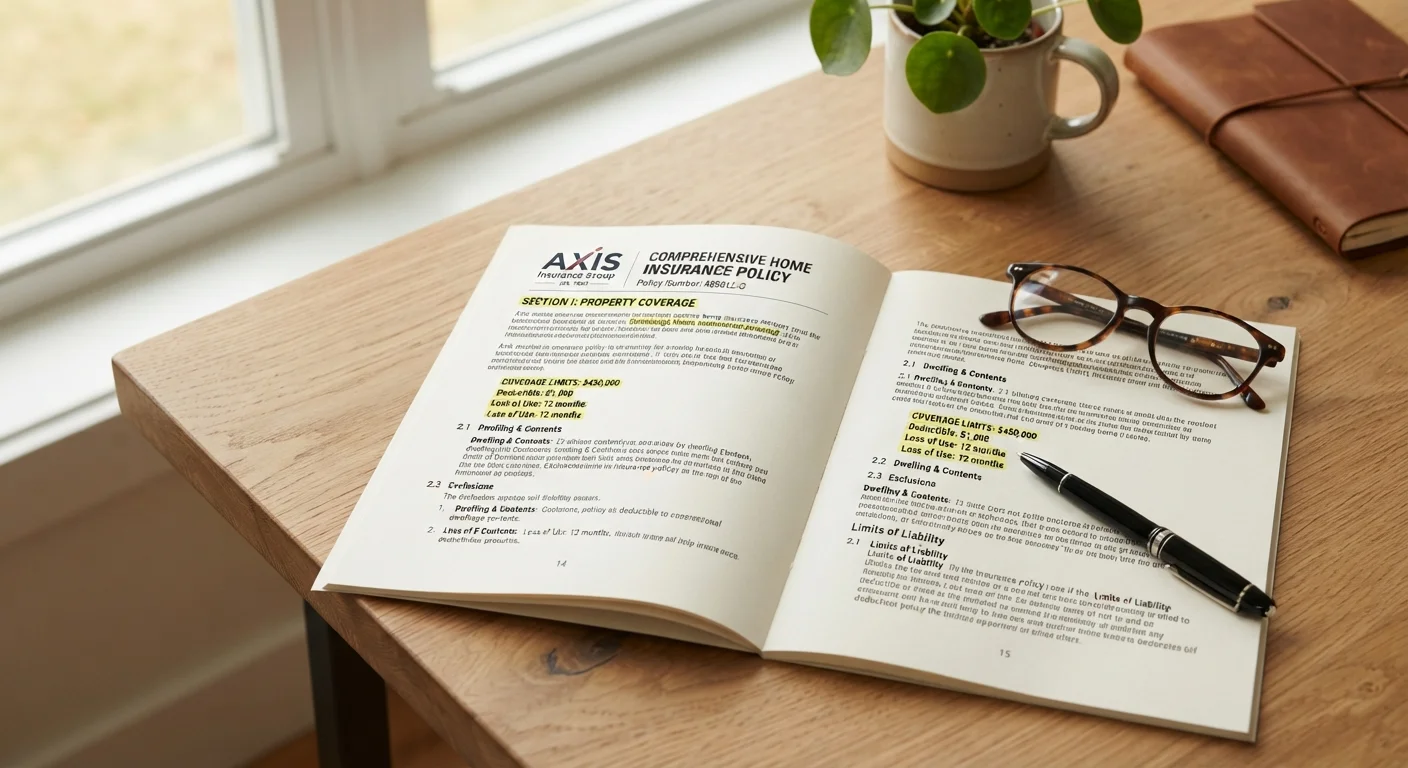
No summary, agent conversation, or online overview overrides the actual language in your policy. When coverage is disputed, insurers and courts look at what the policy document says — not what you believed it covered. Review your declarations page annually, and ask your insurer in writing if any coverage question is unclear.
This article provides general insurance information and education only. Coverage terms, exclusions, and regulations vary by policy and by state. Read your actual policy documents and consult a licensed insurance agent or adviser for guidance specific to your situation.