
How Minimum Payments Are Designed to Work Against You
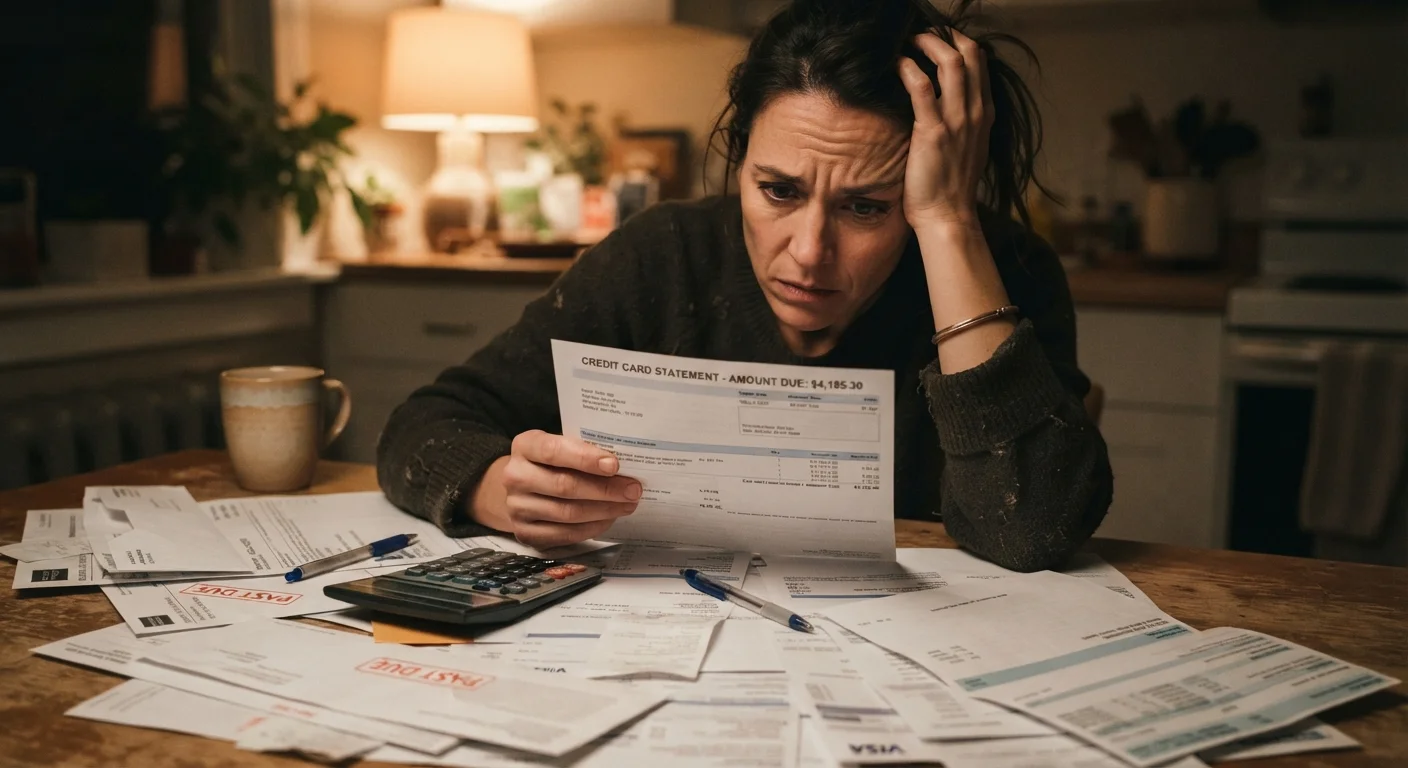
Credit card minimum payments are typically set at 1–2% of your outstanding balance, or a small flat dollar amount — whichever is greater. At first glance, this seems reasonable. In practice, it means that as your balance shrinks, so does your minimum — and the pace of repayment slows almost to a standstill.
Consider a $3,000 balance at a 20% annual percentage rate (APR). Paying only the minimum — often starting around $60 — means most of that payment goes toward interest rather than principal. As the balance drops slightly each month, the minimum follows, stretching the repayment timeline to more than 12 years and costing well over $2,000 in interest alone on a $3,000 debt. That is general financial education, not advice tailored to your situation — your actual numbers will vary based on your card's terms.
This structure is not accidental. Card issuers profit from interest charges, and minimum payment formulas are designed within that business model. Understanding this framing is the first step toward pushing back against it.
Treating the minimum payment as the 'correct' monthly amount rather than a floor.
Why it happens: Card statements often display the minimum prominently, and it is designed to feel affordable — so many cardholders anchor to it as the default.
Ignoring how daily compounding amplifies interest charges over time.
Why it happens: APR is quoted annually, which makes the cost feel abstract. Most people do not calculate the daily rate or see how it accumulates on an average daily balance.
Continuing to carry a revolving balance while simultaneously saving in a low-yield account.
Why it happens: Saving feels virtuous and building an emergency fund is genuinely important — but keeping money in a 1–2% savings account while paying 20% interest on credit debt is a net financial loss.
Making extra payments sporadically rather than systematically.
Why it happens: People pay extra when they feel flush and revert to minimums when budgets tighten, which prevents the compounding benefit of consistent principal reduction.
Carrying balances across multiple cards without a prioritization plan.
Why it happens: Multiple minimums feel manageable in aggregate, but spreading payments thinly means no single balance shrinks fast enough to free up cash flow.
The Real Math: What Small Extra Payments Actually Change
One of the most empowering realizations in personal finance is how disproportionately effective small additional payments can be. Using the same $3,000 balance at 20% APR example, adding just $50 above the minimum each month can cut repayment time nearly in half and reduce total interest paid by hundreds of dollars. Adding $100 extra accelerates the timeline further still.
20%+
Average credit card APR in the U.S.
The Federal Reserve has reported average credit card interest rates above 20% in recent years, making carried balances among the most expensive forms of consumer debt.
12+ years
Estimated payoff timeline on minimums only
A $3,000 balance at roughly 20% APR, paid at minimum-only rates, can take well over a decade to retire — a commonly cited illustration in consumer finance education.
This works because credit card interest compounds daily based on your average daily balance. Every dollar that reduces principal faster means fewer days that balance is accruing interest. The math rewards consistency more than large one-time payments.
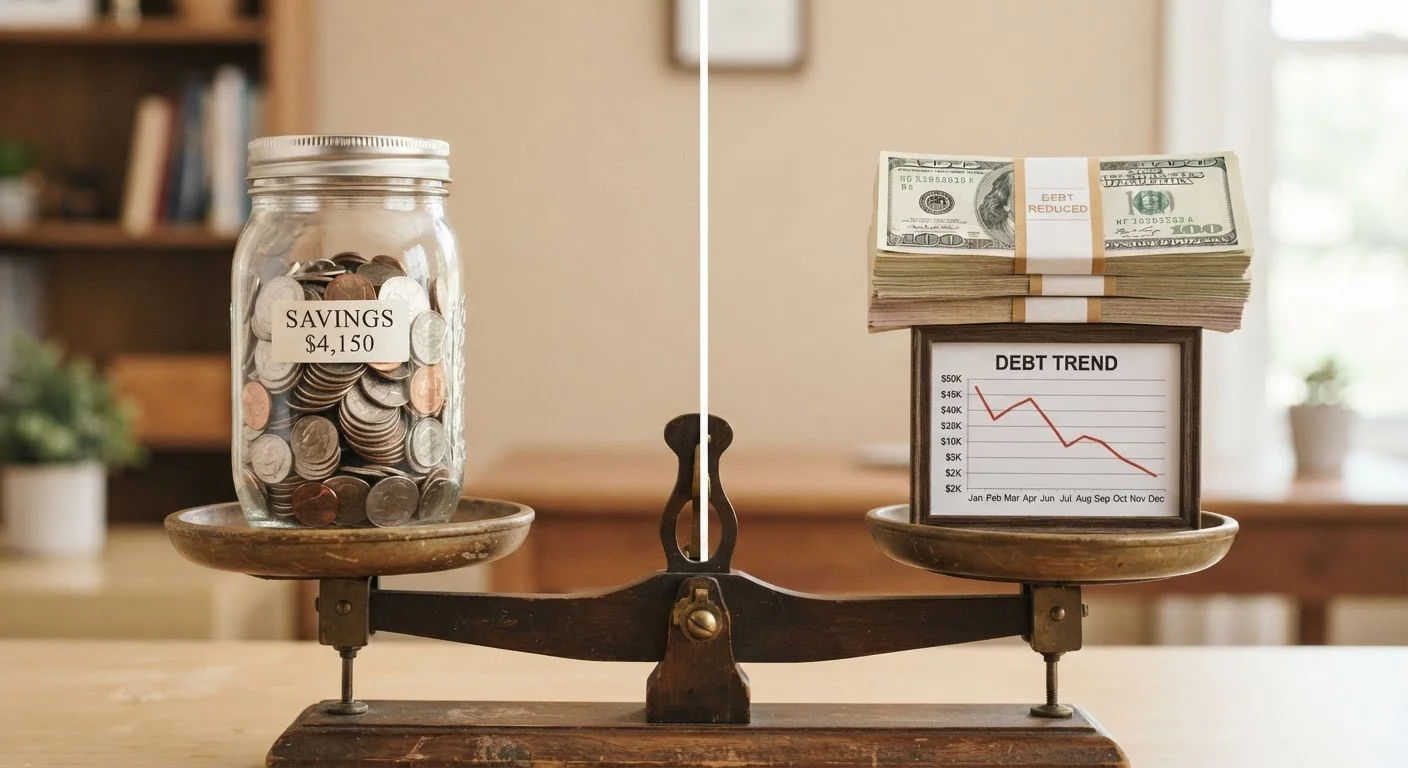
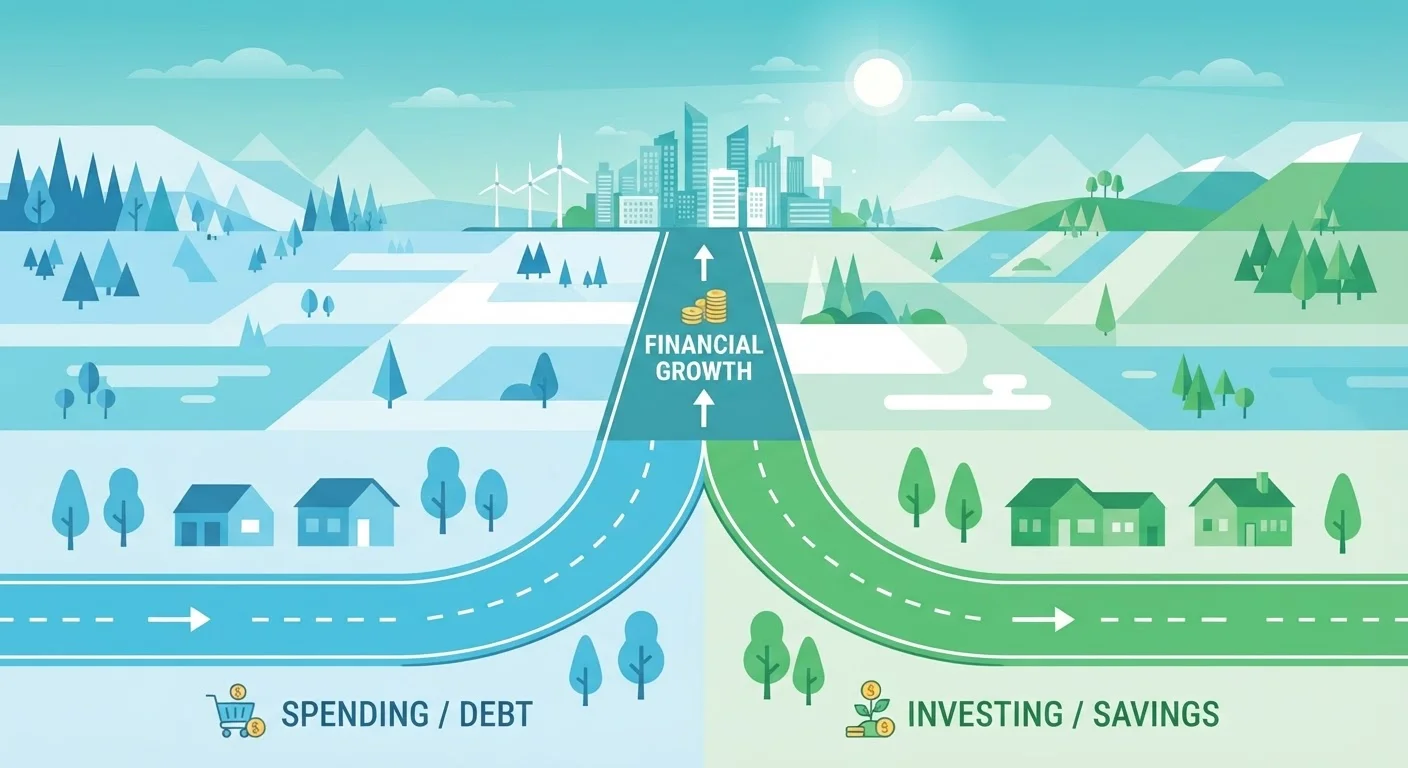
If your budget is already stretched, even rounding up to the nearest $10 or applying a small windfall — a tax refund, a work bonus — directly to the balance can create meaningful momentum. For broader guidance on balancing competing money goals, see how to decide between saving and paying down debt.
Building a Smarter Payoff Strategy
Knowing the problem is not enough — a repeatable framework helps. Two widely used approaches are the debt avalanche (targeting the highest-interest balance first) and the debt snowball (clearing the smallest balance first for psychological momentum). Both outperform minimum-only payments significantly. For a detailed comparison of what each strategy costs over time, see the debt avalanche vs. debt snowball breakdown.
Missing Payments Has Compounding Consequences
Falling behind on payments triggers late fees, potential penalty APRs that can exceed 29%, and negative marks on your credit report that persist for years. If cash flow makes even the minimum feel difficult some months, contact your card issuer early — many have hardship programs not widely advertised. Proactive communication almost always produces better outcomes than missed payments.
Whatever method you use, the key is consistency. Automate payments above the minimum when possible, revisit your budget regularly, and track progress concretely. If your debt load feels increasingly unmanageable, it may be worth reviewing warning signs that debt is reaching a tipping point before the situation compounds further.
This article provides general financial education and is not personalized financial advice. Consider consulting a licensed financial counselor or adviser — including nonprofit credit counseling agencies — before making significant changes to your debt repayment approach.
This article is for informational purposes only and does not constitute personalized financial, legal, or tax advice. Consult a qualified financial professional for guidance specific to your circumstances.