What Is Personal Style — and Why Does It Matter?
Personal style is the visual language you use to communicate who you are before you say a word. It's not about trends, price points, or having a fashion degree — it's about intentional self-expression. When your clothing aligns with your values, personality, and lifestyle, getting dressed stops being a chore and starts feeling like a daily act of confidence.
Research in psychology consistently links clothing choices to mood and self-perception — a concept sometimes called enclothed cognition. Simply put, what you wear can influence how you feel and how others perceive you. That's a compelling reason to take your style seriously, even if fashion has never been a priority.
Style is also deeply personal, which is the exciting part. There's no single right answer. Whether your aesthetic leans minimalist, maximalist, vintage, sporty, or somewhere entirely your own, the goal is cohesion — a wardrobe where every piece feels like it belongs to you. For foundational wardrobe principles, explore our Fashion Basics hub to complement the self-discovery work you'll do here.
Discovering Your Style Identity
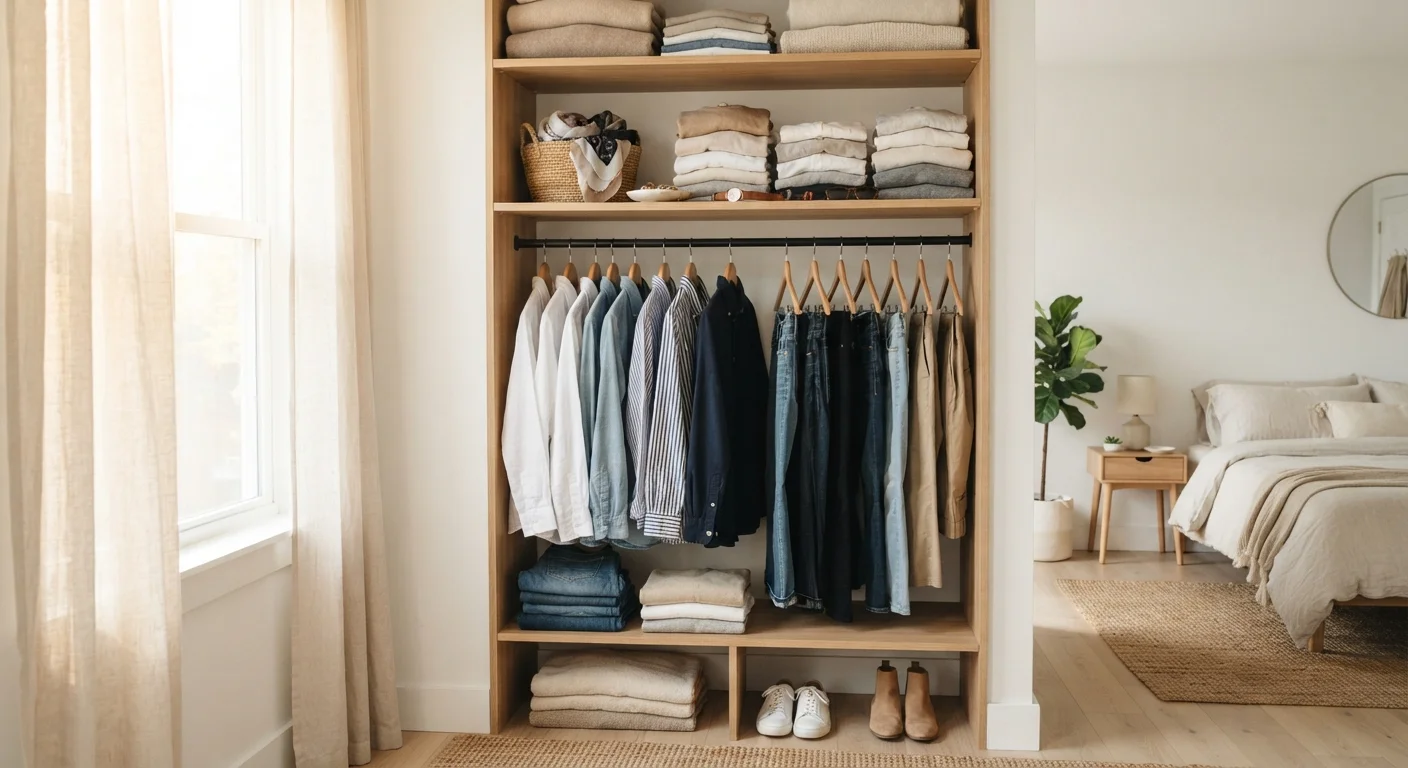
Before buying a single item, do the inner work. Start by auditing what you already own and noticing what you actually reach for versus what hangs ignored. Those repeated choices reveal your honest preferences far more accurately than a mood board.
Next, try a simple inspiration exercise: save images of outfits that genuinely excite you — across social media, magazines, films, or street style photography. After 20–30 saves, look for patterns. Do you keep gravitating toward structured silhouettes or relaxed, layered looks? Neutral palettes or punchy colors? That recurring theme is your style identity emerging.
Before pinning aspirational outfits, photograph yourself in the clothes you already own and actually love. Real-life evidence of what works on your body is more useful than any inspiration board.
Style advice often focuses on ideals rather than reality. Grounding your exploration in what you already know feels good on you short-circuits the common trap of chasing trends that never translate to daily wear.
When decluttering, use the 'reverse hanger' trick: turn all hangers backward, then flip them forward only after you wear each piece. After a few months, everything still backward is a strong candidate for removal.
This method turns vague feelings about what to keep into concrete behavioral data, making decluttering decisions far less emotionally fraught and more accurate.
It also helps to ask yourself a few grounding questions: What lifestyle do I actually live? (Not the aspirational one — the real one.) What occasions do I dress for most often? How do I want to feel in my clothes? Answers to these three questions will steer every future shopping and styling decision you make.
Understanding Color and How It Works For You
Color is one of the most powerful tools in your style toolkit, yet it's often approached randomly. A more intentional method is to identify which colors complement your natural coloring — your skin tone, hair, and eye color. The goal isn't to follow rigid rules, but to understand which hues make you look vibrant versus washed out.
A practical starting point: hold different colored fabrics near your face in natural light and notice the difference. Colors that make your eyes pop and your skin appear even-toned are typically your most flattering palette. Generally, warm-toned individuals (golden or olive undertones) tend to glow in earthy tones, warm reds, and yellows, while cool-toned individuals (pink or bluish undertones) often shine in jewel tones, blues, and crisp whites.
80%
Clothes worn only 20% of the time
The 80/20 rule — often cited by wardrobe consultants — suggests most people regularly wear only about 20% of what's in their closet, underscoring the value of intentional curation.
~$1,700
Average annual US clothing spend
According to the U.S. Bureau of Labor Statistics Consumer Expenditure Survey, American households spend roughly this amount on apparel and services annually.
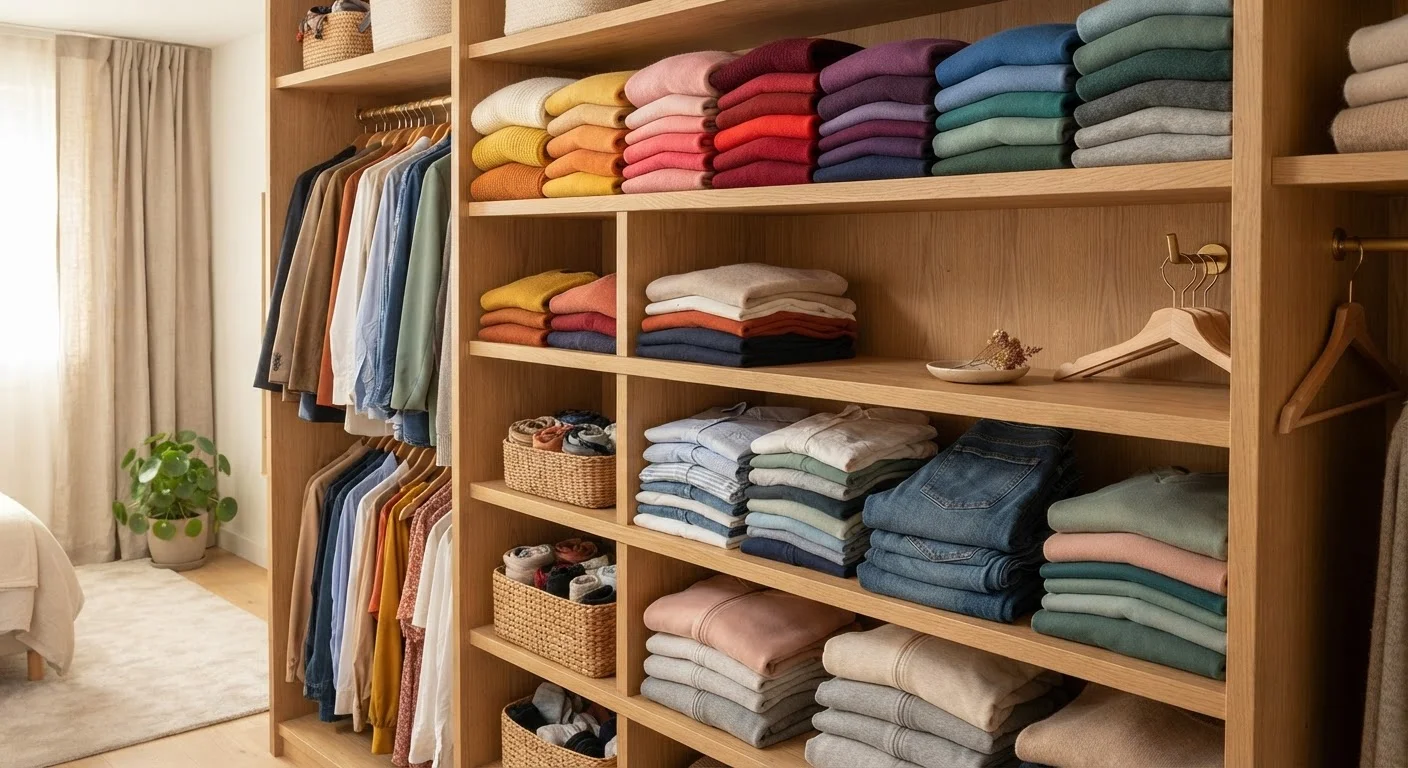
Beyond personal flattery, color also creates visual cohesion across your wardrobe. Building around a core palette of three to five colors — including at least one or two neutrals — means pieces naturally mix and match, reducing decision fatigue and stretching your wardrobe further without spending more. This kind of intentional planning is a great complement to smart personal budgeting strategies.
Fit: The Single Biggest Game-Changer
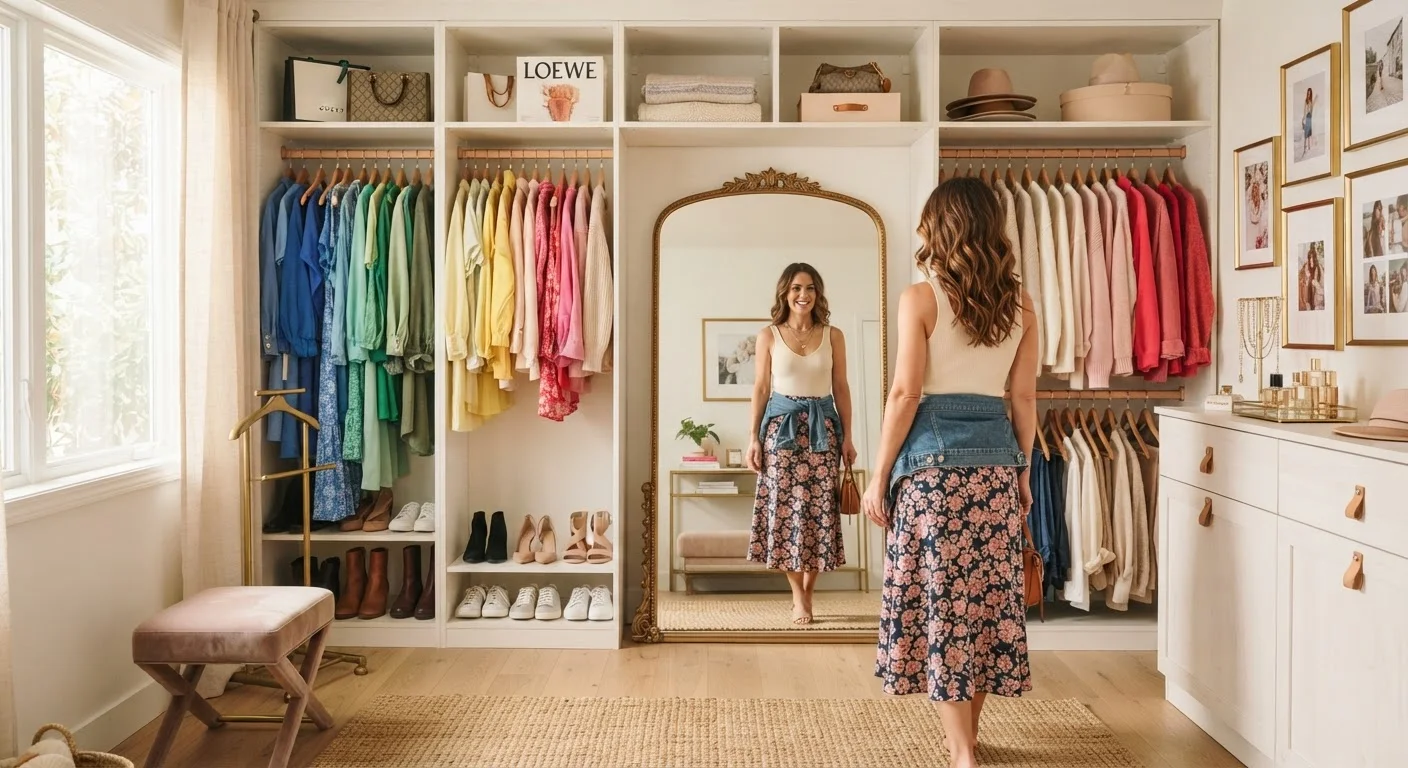
If you could make only one investment in your style, make it fit. A well-fitted, modestly priced garment will always look more polished than an expensive one that doesn't suit your body's proportions. This isn't about conforming to any particular body ideal — it's about clothes that move with you, sit correctly on your shoulders, and don't pull, gap, or swamp your frame.
Don't Size-Chase — Buy What Fits Now
Holding onto clothes in a size you once wore or hope to wear again can clutter your closet and subtly undermine your confidence daily. Your wardrobe should serve the body you have right now, not function as a motivational tool or a museum of past versions of yourself. Dress well today — adjustments can always come later.
Basic tailoring is more accessible than most people realize. A local tailor can hem trousers, take in a waist, or adjust sleeve length for relatively modest fees — often dramatically transforming an off-the-rack piece. When shopping, train yourself to evaluate fit first and color or print second. You can always alter a great shape; you can rarely fix a poor one.
Key fit checkpoints to internalize: shoulders are the hardest and most expensive seam to alter, so always prioritize shoulder fit. Waist definition signals intentionality in any silhouette. And trouser break (where pants hit your shoes) can date an outfit more than almost any other detail.
Building a Wardrobe That Actually Works
A functional wardrobe isn't measured in quantity — it's measured in versatility and intention. The goal is a curated collection where every item earns its place. Start by identifying the key categories your actual life demands: workwear, casual weekend pieces, active wear, and anything occasion-specific. Then build within each category deliberately, ensuring pieces can cross over wherever possible.
The classic concept of a capsule wardrobe — a tight set of versatile, mix-and-match pieces — remains one of the most practical frameworks for any lifestyle or budget. A capsule doesn't mean boring; it means strategic. Neutrals anchor it, one or two statement pieces elevate it, and everything plays well together.
Try a 'One In, One Out' Rule
Each time you add a new piece to your wardrobe, commit to removing one existing item. This simple discipline keeps your closet from expanding beyond what you can realistically use and forces you to be selective about new additions. Over time, your wardrobe naturally becomes more intentional and easier to navigate.
Resist the urge to shop reactively (buying whatever catches your eye). Instead, maintain a short wish list of genuine gaps in your wardrobe — a white button-down that fits perfectly, a tailored blazer in a neutral tone — and fill those deliberately. This shift from impulse to intention is where most people's style transformations actually happen. For more guidance on managing clothing costs wisely, our Fashion Basics hub covers wardrobe planning on any budget.
Dressing With Confidence Every Day
Style knowledge is only half the equation. The other half is showing up in your choices without self-doubt undermining the whole effort. Confidence in dressing is a learned skill, not an innate trait — and it grows with repetition and self-trust.
One practical technique: build a small collection of proven outfits — combinations you've worn and genuinely felt great in. On low-energy mornings, return to these rather than experimenting. Reducing daily decision fatigue frees up mental energy and keeps you from defaulting to options that don't represent your style at its best.
“Style is knowing who you are, what you want to say, and not giving a damn.”
— Gore Vidal, American author and cultural commentator
Finally, remember that personal style is never finished. It evolves as you do. Give yourself permission to experiment, edit, and shift direction as your life changes. The closet that works is one that reflects the person you are right now — and has just enough flexibility to grow with who you're becoming.