Why Proportion Is the Real Goal
Body-shape dressing gets a bad reputation because it's often taught as a list of things to hide or avoid. That approach tends to feel limiting — and frankly, a little discouraging. A more useful frame: it's really about visual proportion and balance, which is a craft skill anyone can learn, not a measure of whether your body is "right."
Most style principles around body shape boil down to one core idea — creating a sense of visual harmony across your frame. That might mean adding structure where you want it, softening lines in another area, or drawing the eye toward a feature you love. None of that requires expensive clothes or a complete wardrobe overhaul.
Before you dive into the steps below, it helps to check out our article on fit vs. style — because fit is almost always the foundation everything else builds on.
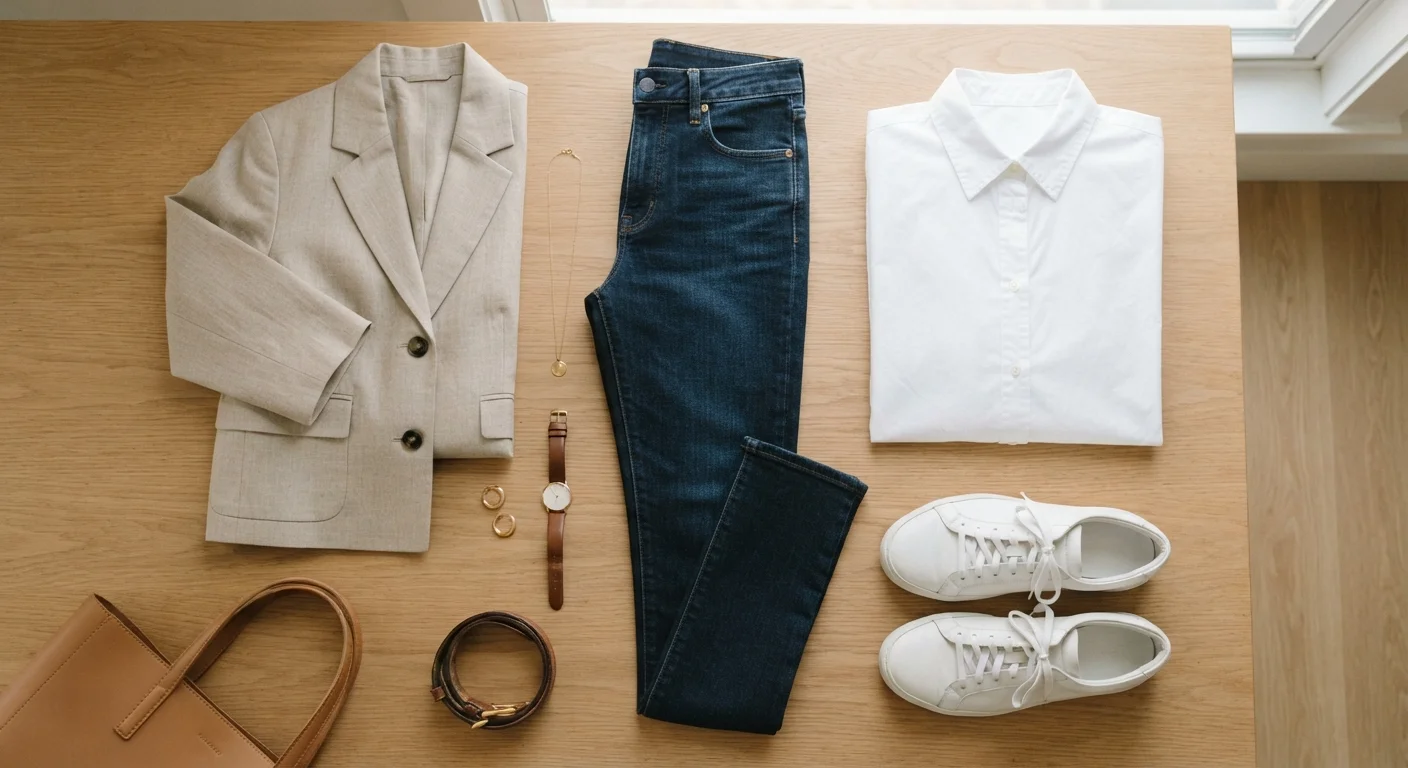
What you will need
Step-by-Step: Dressing for Your Shape
Work through these steps at your own pace. You don't need to apply every idea at once — even one or two adjustments can noticeably change how your clothes feel and look on you.
Identify Your Natural Silhouette
Stand in form-fitting clothes in front of a mirror and loosely note where your shoulders, waist, and hips fall relative to each other. You're not categorizing yourself into a rigid "type" — you're just observing your natural lines. Is your frame wider at the shoulders, the hips, or roughly the same? Does your waist pull in noticeably or stay fairly straight? These observations guide the next steps.
Choose a Proportion Goal for Each Outfit
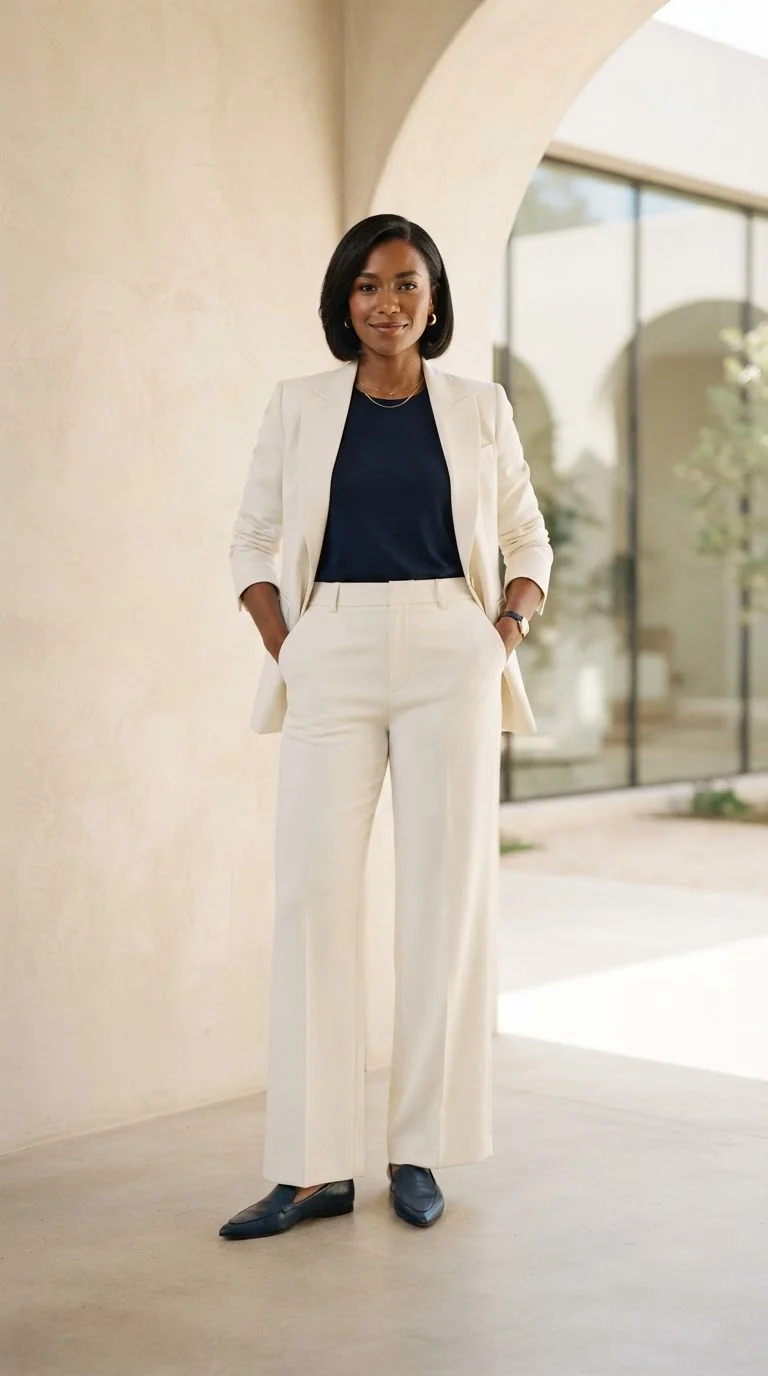
Once you know your silhouette, pick one simple proportion goal per outfit. Common goals include: defining the waist (belted styles, tucked tops, wrap silhouettes), adding shoulder width (structured blazers, boat necks, off-shoulder styles), or balancing upper and lower volume (wide-leg pants with a fitted top, or a flowy blouse with slim trousers). You only need one goal per outfit — trying to do everything at once creates visual noise.
Use Color and Print Strategically
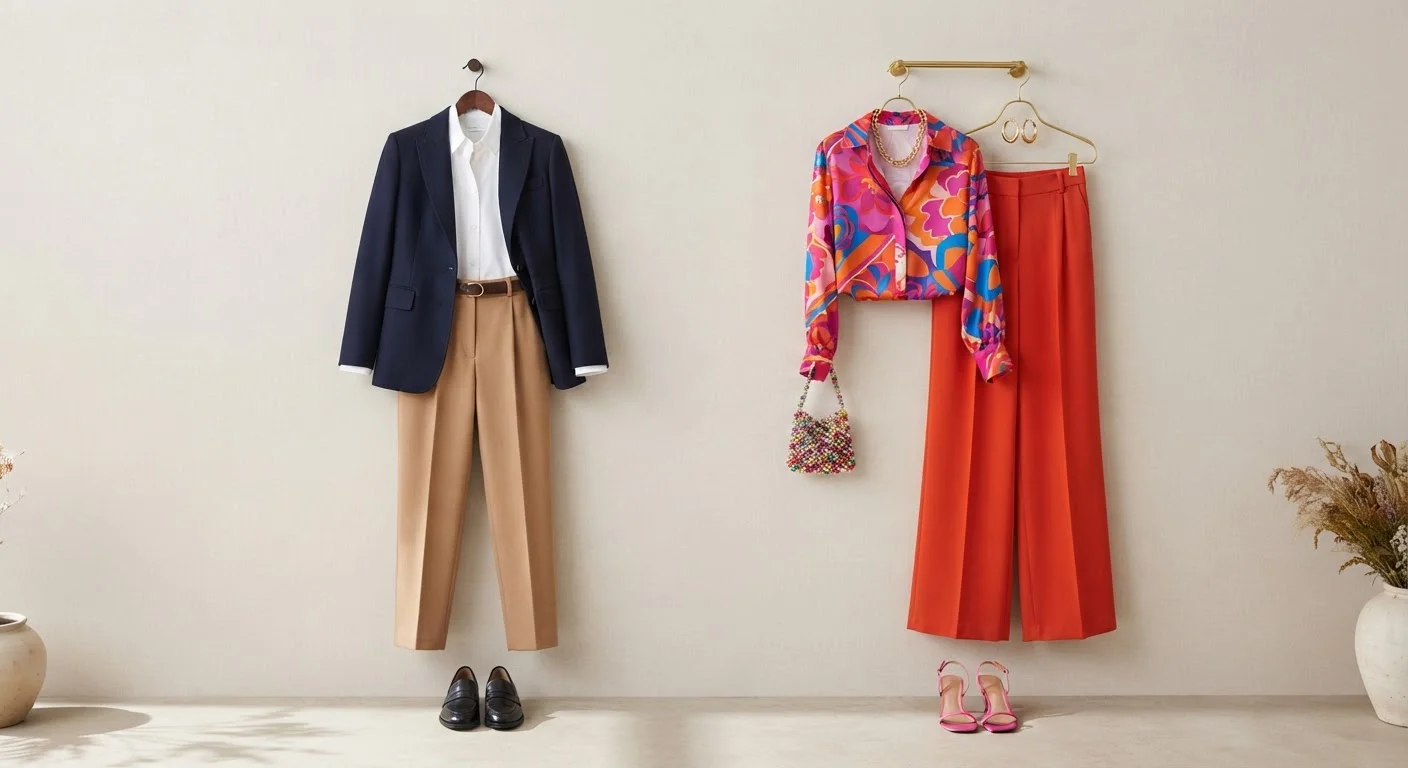
Darker, low-contrast colors tend to recede visually; brighter or higher-contrast areas draw the eye. This is a tool, not a rule. If you want to highlight your shoulders, a bold or patterned top does that job. If you want to balance fuller hips, a darker solid on the bottom with a brighter top shifts the visual emphasis upward. Use this as a dial you can turn, not a restriction.
Check the Fit Before Anything Else
No proportion strategy works well when the fit is off. Clothes that pull, gap, bunch, or swamp your frame undermine the whole effect — regardless of the silhouette or color. Prioritize items that sit smoothly across the shoulders, don't strain at the chest or hips, and have a hem that hits where intended. Basic tailoring (hemming trousers, taking in a waist seam) is often inexpensive and dramatically improves results.
Build on What Already Works
Go through your existing wardrobe and identify two or three outfits that you consistently feel good in. Study them: What's the silhouette? Where is the waist emphasis? What's the color balance? These are your personal data points. Build future outfits on those same structural principles rather than starting from scratch each time.
Start With What You Already Own
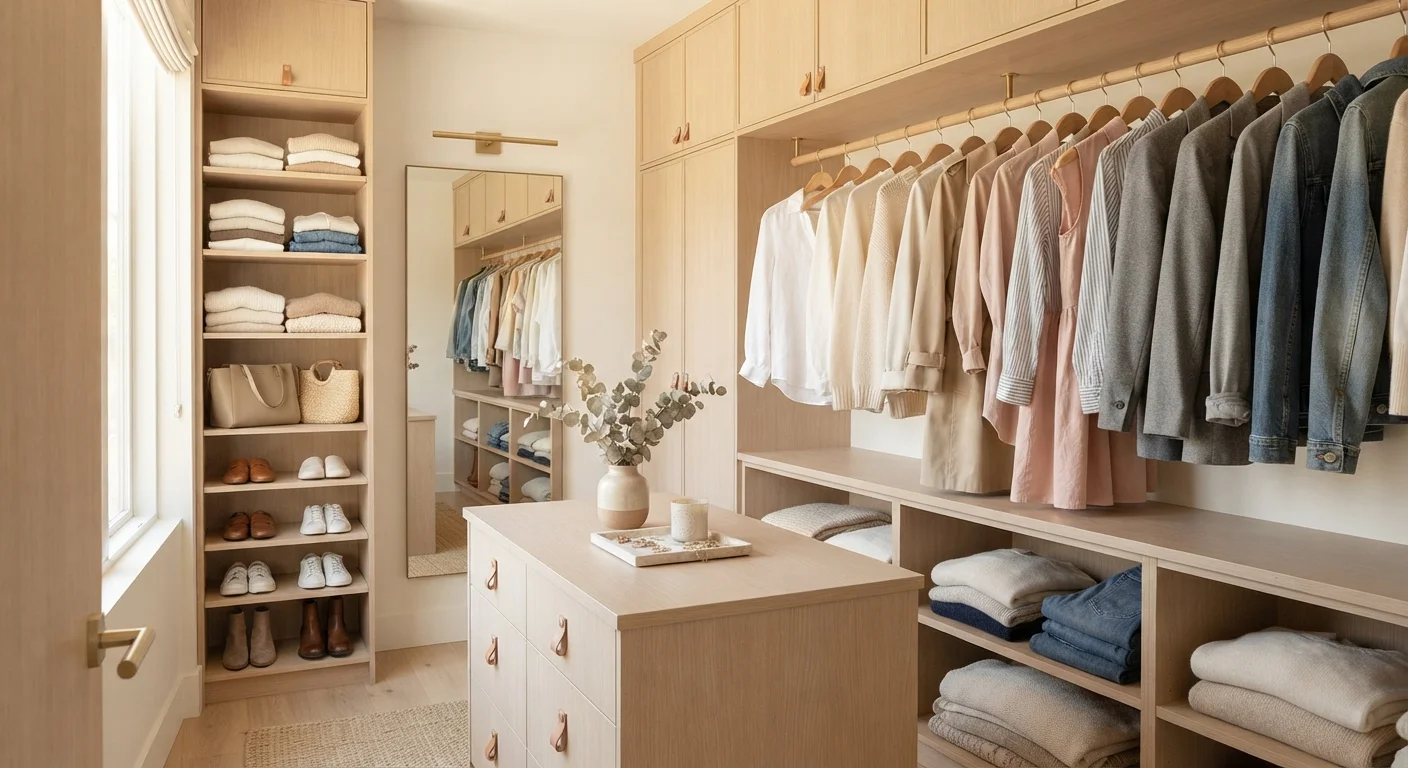
You don't need to shop your way into proportion principles. Most people already own pieces that work well for their silhouette — they just haven't identified the pattern yet. Spending 20 minutes sorting your wardrobe by "feels great" vs. "feels off" can reveal a clear style preference you can repeat intentionally.
When the Rules Don't Apply
Body-shape guidelines are genuinely useful starting points, but they're not laws. Plenty of people find that dressing to reflect their personality and mood feels more satisfying than dressing strictly by proportion. Both approaches are valid, and they don't have to be in conflict.
If you're curious about where to draw that line for yourself, our piece on body shape vs. personality dressing offers a balanced look at when each lens makes sense.
Once you've got your proportion basics down, reliable outfit formulas are the next logical step — they take the daily guesswork out of getting dressed entirely. And if you're ready to zoom out, our complete everyday wardrobe guide covers the full picture from foundational pieces to color strategy.
Don't Let Rules Undercut Your Confidence
Proportion guidelines are meant to serve you, not the other way around. If following a specific rule makes you feel worse about how you look, set it aside. Style confidence — explored in our article on the non-appearance factors behind style confidence — is shaped by much more than body-shape mechanics.