Why This Debate Actually Matters
Most people approach getting dressed by asking "What's stylish right now?" — but the more useful question might be "Does this fit me well?" The tension between fit and style sits at the heart of everyday dressing decisions, and understanding each one can genuinely change how you feel in your clothes.
This isn't about declaring a winner. It's about knowing which lever to pull first — and how they work together. Whether you're building a wardrobe from zero or trying to make more of what you already own, understanding the roles of fit and style gives you a real advantage. For a deeper look at the psychology behind dressing confidently, see what drives style confidence.
| Criterion | Fit | Style |
|---|---|---|
| Primary function | Creates a clean, flattering silhouette | Expresses personality and identity |
| Learning curve | Learnable through basic proportion rules | Develops over time through self-discovery |
| Budget impact | Makes any price point look better | Can be achieved at any price point |
| Fixability | Tailoring can correct most fit issues | Evolves naturally; less "fixable" more fluid |
| Effect on confidence | Immediate, physical sense of looking sharp | Deeper sense of authenticity and ownership |
| Trend dependency | Largely timeless and trend-independent | Can draw from trends or ignore them entirely |
| Where to start | Shoulders, chest, and hem length | Identifying colors, silhouettes, and moods you love |
The Case for Fit: The Great Equalizer
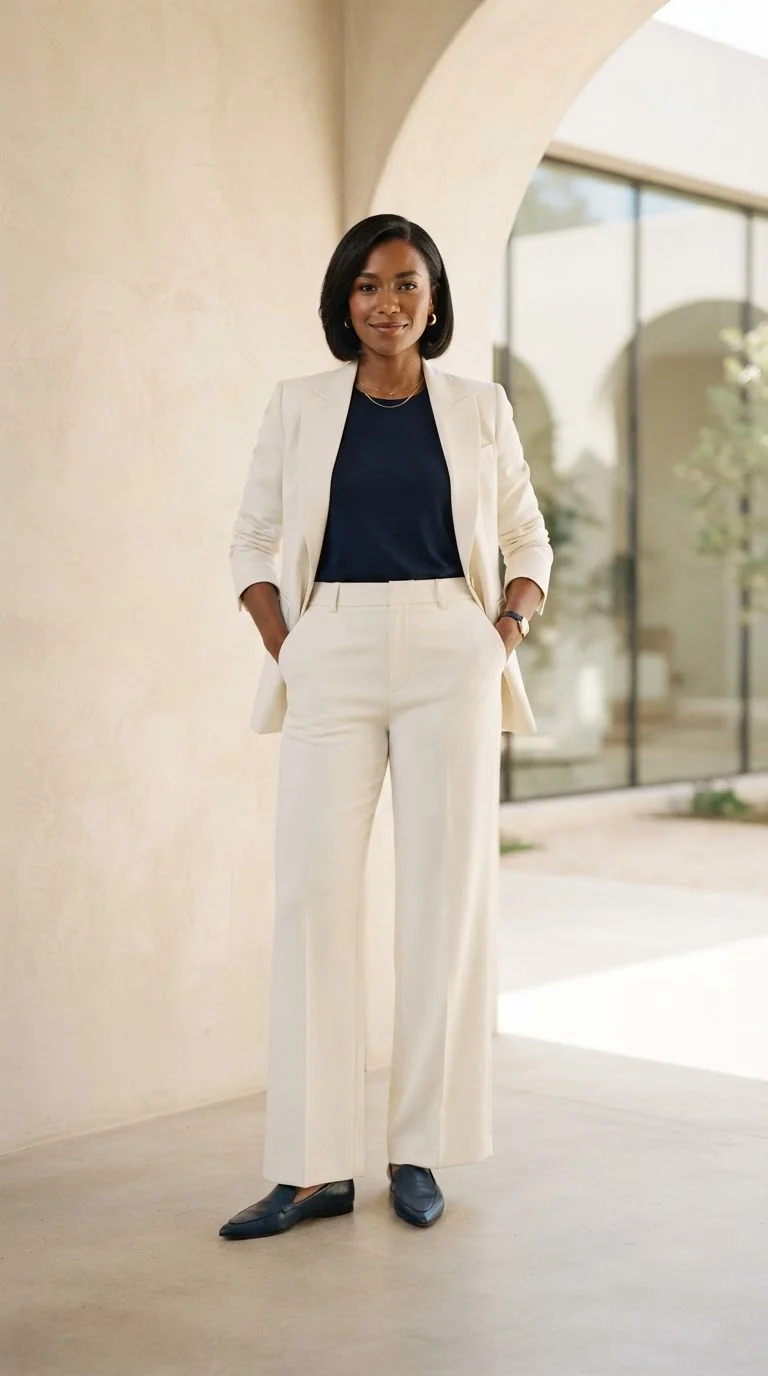
Fit is arguably the single most powerful tool available to any person getting dressed. A well-fitted garment — one that sits correctly on the shoulders, doesn't pull across the chest, and has the right hem length — creates a clean, intentional silhouette that reads as polished regardless of price tag or trend status.
Poor fit, by contrast, works against you quietly. Sleeves that are too long, waistbands that gap, or fabric that bunches can undercut even the most on-trend piece. Stylists often point out that what most people interpret as a "body problem" is actually a fit problem — the garment simply wasn't cut for their proportions.
#1
Factor stylists cite for a polished look
Professional stylists and image consultants consistently rank fit as the single most impactful variable in how an outfit reads, ahead of brand, color, or trend alignment.
~$15–$30
Typical cost for basic hemming or tailoring
Simple alterations like hemming trousers or taking in a side seam are widely available at local tailors at modest cost, making fit accessible at any budget level.
The practical upside? Fit is fixable. Basic tailoring — hemming trousers, taking in a side seam, shortening a jacket sleeve — is affordable at most local tailors and can transform clothing you already own. Our guide on dressing for your body shape covers the practical principles of proportion and fit without overcomplicating things.
The Case for Style: Dressing With Intention
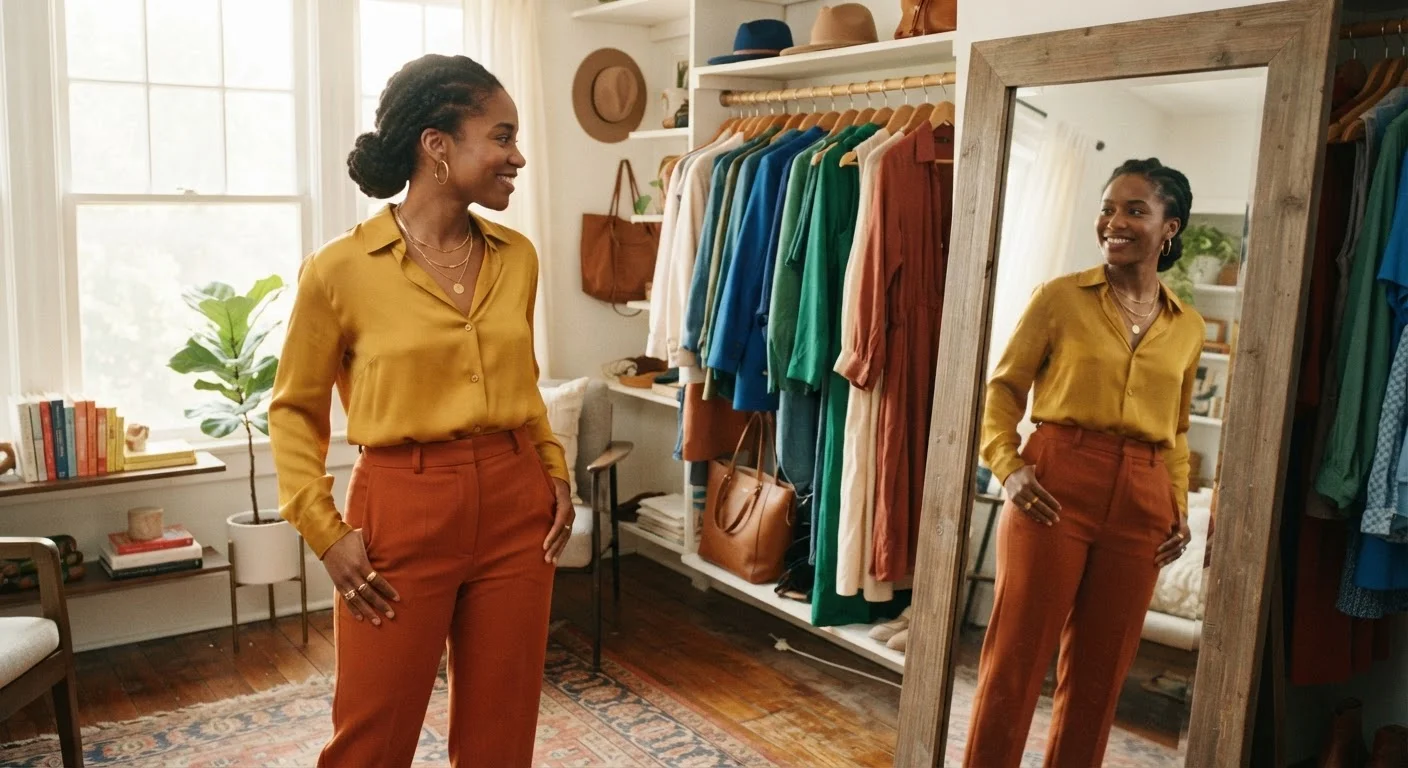
Style is the layer of dressing that communicates something about you. It's the choices you make about color, silhouette, texture, and proportion that add up to a visual identity over time. Unlike fit — which is largely technical — style is personal, evolving, and expressive.
When people say someone "has style," they usually mean that person's clothing choices feel coherent and intentional, even if they aren't following trends. That coherence comes from self-knowledge: understanding what colors energize you, what silhouettes feel like you, and what occasions call for what version of yourself.
Trends are just one input into style — and often a noisy, short-lived one. As explored in what personal style actually means, a genuine signature look starts from the inside out, not from a seasonal runway. Style gives dressing a sense of joy and purpose that pure fit optimization simply can't replicate.
When to Prioritize One Over the Other
In practice, fit and style rarely compete — but knowing which to address first helps when you're working with a limited wardrobe or budget.
- Prioritize fit when building a wardrobe foundation, dressing for professional settings, or shopping on a tight budget. A perfectly fitted plain white shirt will almost always outperform a wrinkled, ill-fitting statement blouse.
- Prioritize style when your basics are already solid and you want more personality in your outfits, or when dressing for creative or social contexts where self-expression matters most.
For those navigating the nuance between dressing for your proportions versus dressing for your personality, the comparison in body shape vs. personality dressing offers a balanced look at when each should lead.
You Don't Have to Choose Forever
Fit and style aren't mutually exclusive values — they operate at different levels of the same decision. Fit is structural; style is expressive. Most people find that once they stop trying to chase trends and start focusing on what fits and feels right for them, their sense of personal style actually becomes clearer and more consistent. The two reinforce each other more than they compete.
The most effective long-term approach — covered in depth in Personal Style in Full — treats fit as the structure and style as the expression built on top of it. Neither replaces the other; they compound.