What Smart Home Devices Are Actually Collecting
The appeal of smart home technology is real: lights that adjust automatically, thermostats that learn your schedule, doorbells that show you who's at the door from anywhere in the world. But behind that convenience is a continuous stream of data flowing from your home to remote servers.
Here's a breakdown of the most common data categories collected by device type:
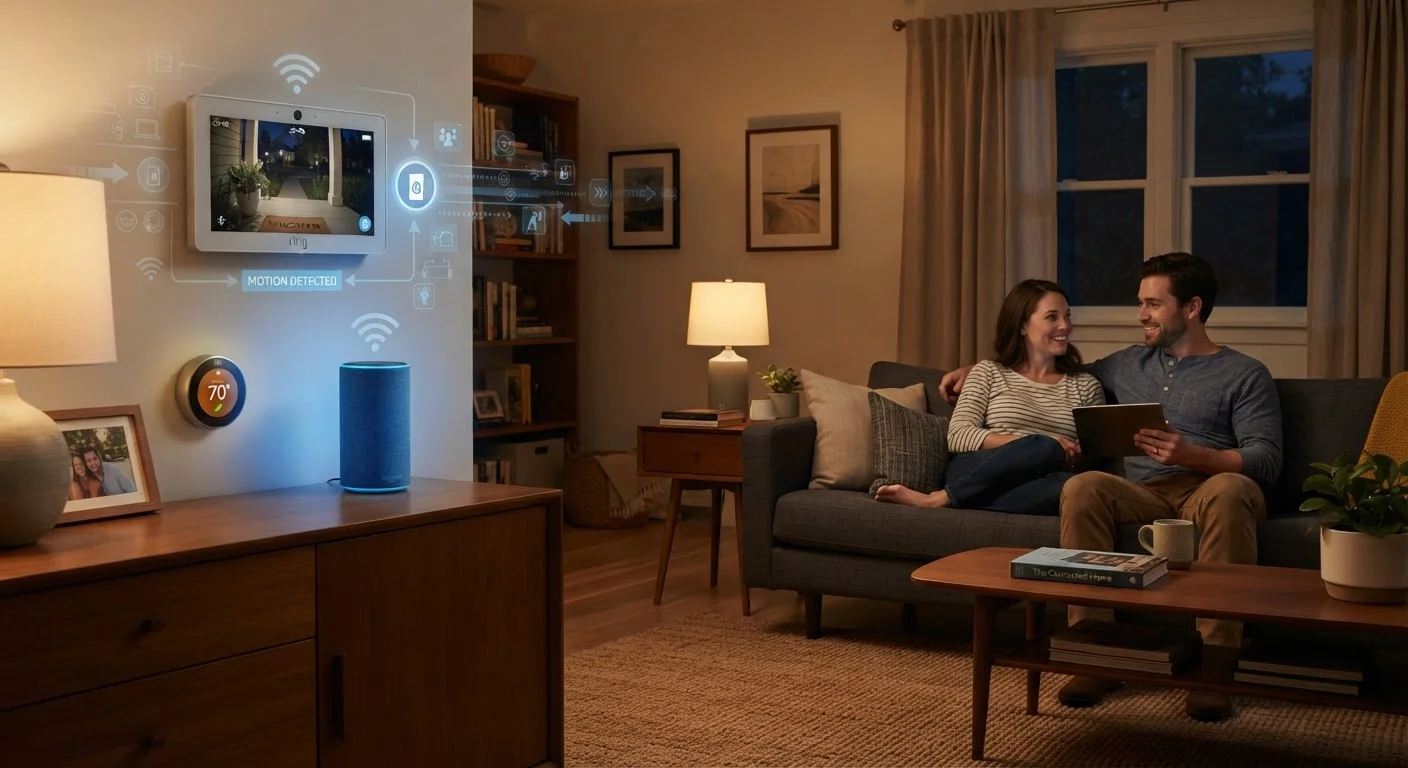
- Smart speakers and voice assistants: Voice recordings triggered by wake words, timestamps of commands, device interaction history, and linked account information (music services, calendars, shopping lists).
- Smart thermostats: Daily schedules, temperature preferences, occupancy detection (often via motion sensors or geofencing), and HVAC performance data.
- Video doorbells and security cameras: Continuous or motion-triggered video footage, facial or motion detection metadata, and in some cases audio recordings depending on local laws.
- Smart plugs and lighting: On/off timing patterns and energy usage, which can indirectly reveal when people are home and their daily routines.
Much of this data is used to deliver features — a thermostat can't learn your schedule without observing it. But the same data may also be retained, analyzed, and in some cases shared with third parties according to each company's privacy policy.
~25
Average smart devices in a connected U.S. home
Estimates from industry analysts suggest the average internet-connected household in the U.S. runs roughly 25 connected devices, a figure that has grown steadily over the past decade.
~30%
Consumers who read smart device privacy policies
Surveys on digital privacy consistently find that fewer than one-third of consumers review privacy policies before activating a new connected device.
False activations occur multiple times weekly
Unintended smart speaker triggers
Research from academic institutions studying voice assistant behavior has found that false wake-word activations can occur several times per week under normal household conditions.
Why Manufacturers Collect This Data
Data collection in smart home devices generally serves three purposes: functionality, product improvement, and commercial use.
Functionality is straightforward — a voice assistant must process your speech to respond. A thermostat must observe your patterns to automate your comfort. Without collecting some data, these devices simply don't work as advertised.
Product improvement is the second driver. Manufacturers use aggregated usage data — how often a feature is used, what commands fail, where errors occur — to refine software through updates. This is a common practice across consumer electronics, not unique to smart home products.
The third category is more commercially sensitive. Some companies monetize data by sharing it with advertising partners or affiliated services, often in aggregated and anonymized form. Privacy policies describe this in legal language that most consumers skip. Taking 10 minutes to read through your device's data policy at setup is an uncommon but genuinely useful habit.
“Users often assume that because a device is in their home, it operates under their control. In practice, data governance is determined by the manufacturer's policy — and most people have never read it.”
— Bruce Schneier, Security technologist and author on data privacy
Practical Steps to Limit Data Exposure
You don't need to remove every smart device from your home to manage your privacy meaningfully. Most manufacturers provide controls that are underused simply because consumers don't know they exist.
Start With Your Privacy Dashboard
Before adjusting any hardware setting, open the companion app for each smart device and navigate to its privacy or data section. Most major manufacturers provide options to delete stored data, opt out of data sharing for product improvement, and turn off personalized features. This takes a few minutes per device and is the most direct way to exercise control over what's retained.
Review app permissions at setup. Every smart device uses a companion app that requests access to your phone's microphone, location, contacts, and camera. Grant only what the core function requires — a smart plug doesn't need your location.
Audit stored data regularly. Companion apps and online account dashboards typically allow you to view and delete stored voice clips, usage history, and location data. Setting a recurring calendar reminder to check these dashboards every few months is a low-effort habit with real impact.
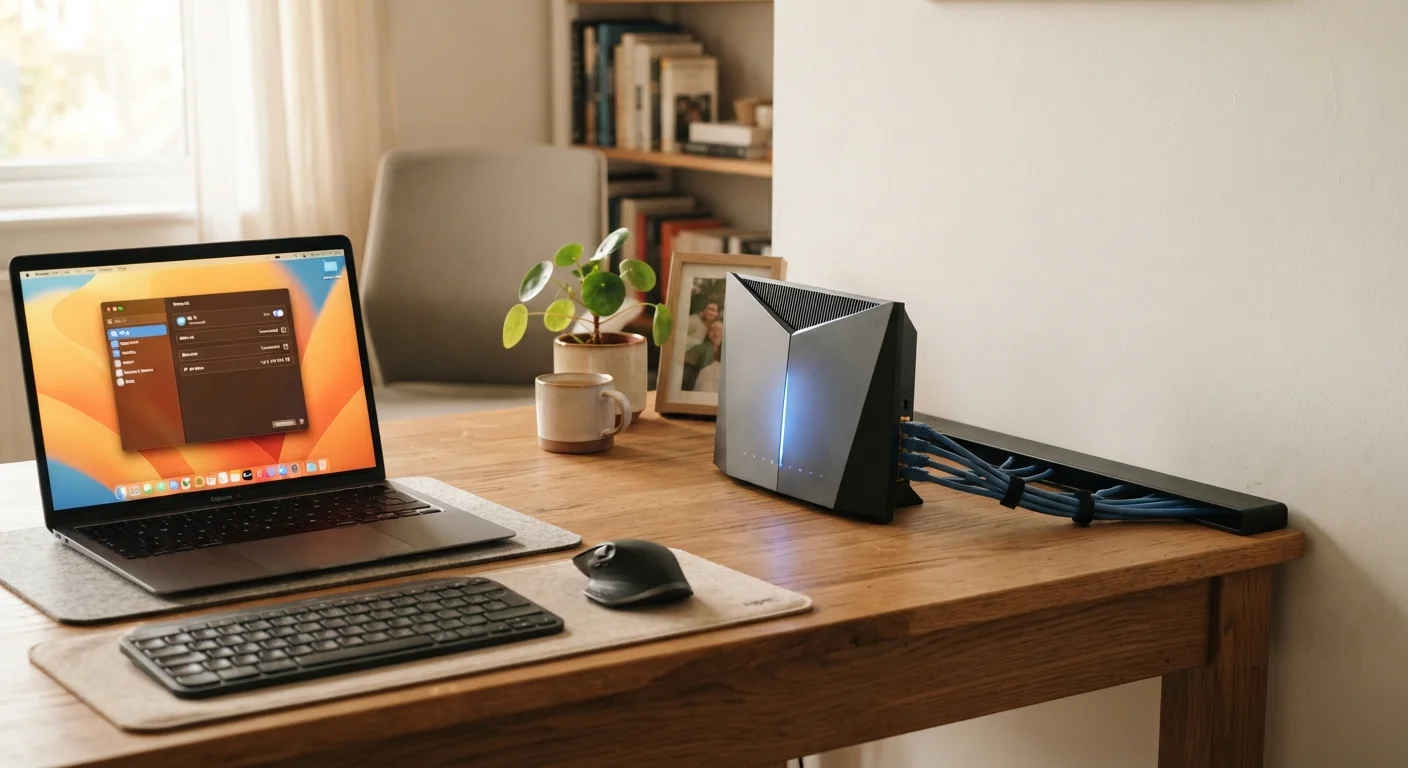
Separate your smart devices onto their own network. For readers who want an added layer of protection, our guide to home networking for non-technical households explains how to segment devices using a secondary Wi-Fi network or router settings — without requiring technical expertise.
Factory reset before transferring ownership. Before you sell, donate, or recycle any smart device, a full factory reset is non-negotiable. Our checklist for selling or recycling old devices covers every step required to protect your personal information.
Disable features you don't use. Many devices ship with features like continuous listening modes or personalized ad settings enabled by default. If you're not using voice purchasing or skills integrations, disabling them reduces the data surface without affecting your daily use.