Why the Sticker Price Is Just the Beginning
Most drivers focus on the monthly payment or the purchase price when acquiring a vehicle. That's understandable — those numbers are upfront, concrete, and negotiable. But the full financial picture of owning a car extends years into the future and includes costs that rarely appear on any dealer's paperwork.
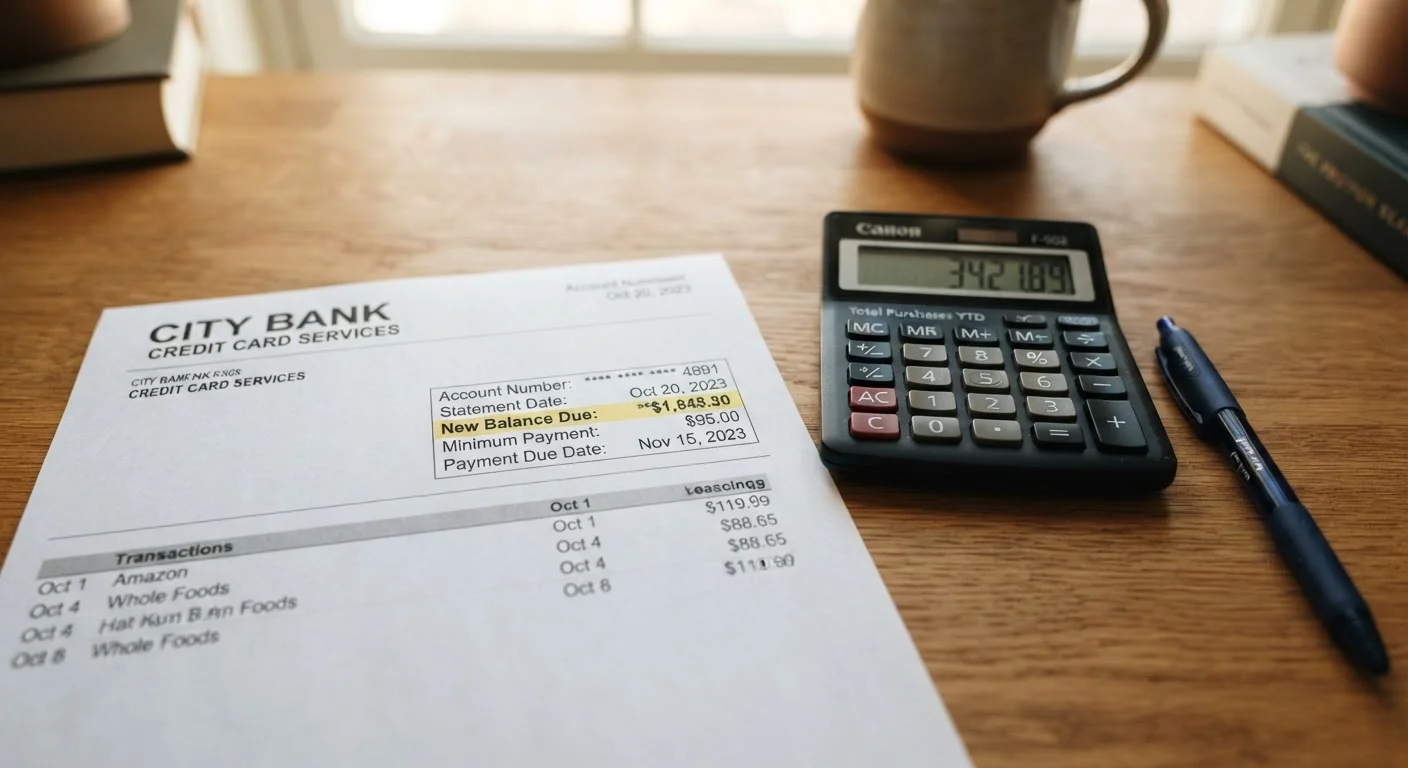
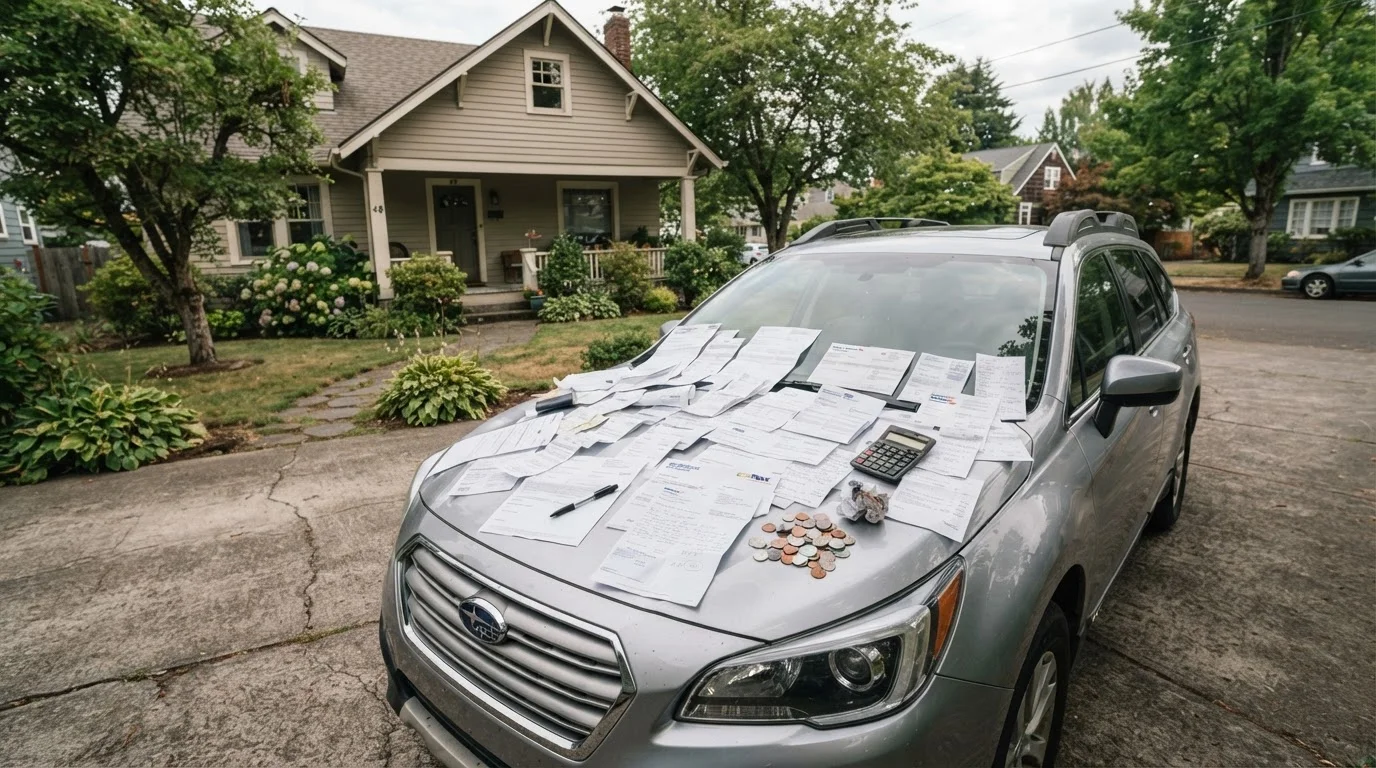
Research from organizations like AAA has consistently found that the average annual cost of vehicle ownership — accounting for depreciation, financing, insurance, fuel, maintenance, and fees — runs into the thousands of dollars per year, often far exceeding what drivers mentally budget. For anyone building a household budget, ignoring these costs is one of the most common and costly oversights. Our guide to costs people forget when writing a budget explores this pattern across other spending categories as well.
Below are the hidden and underestimated costs that define the true price of vehicle ownership — and what to keep in mind for each.
Depreciation
Depreciation — the loss of a vehicle's value over time — is typically the largest single cost of ownership, yet it's invisible on any monthly bill. A new vehicle can lose a substantial portion of its value within the first few years. The exact rate varies by make, model, mileage, and market conditions, but the effect is consistent: the car you paid full price for is worth considerably less when you decide to sell or trade it in.
Depreciation matters most if you're financing a purchase. In the early years of a loan, it's possible to owe more on the vehicle than it's worth — a situation commonly called being "underwater" or having negative equity. Understanding depreciation curves before you buy helps you choose wisely and plan your ownership timeline accordingly.
Depreciation is often the largest ownership cost — and the one least visible on any monthly statement.
Financing Interest
Most vehicle purchases are financed, and the interest paid over the life of a loan can add thousands of dollars to the effective purchase price. A lower monthly payment achieved by extending the loan term often means paying significantly more total interest. Even a modest difference in your annual percentage rate (APR) compounds meaningfully across a four- or five-year loan.
Drivers who focus exclusively on monthly affordability without calculating total interest paid may end up financing a vehicle that costs far more than its sticker price over time. Before committing to a loan, calculate the total repayment amount — not just the monthly figure.
Extending a loan term to lower monthly payments often increases total interest paid by thousands of dollars.
Insurance Premiums
Auto insurance is legally required in nearly every U.S. state, and premiums can vary dramatically based on location, driving history, vehicle type, coverage level, and insurer. Many buyers calculate insurance costs based on a minimum-coverage estimate, only to discover that comprehensive and collision coverage — essential for financed vehicles — raises the annual bill substantially.
Premiums also change over time. Rates can increase after claims, at renewal, or following traffic violations. Budgeting for insurance as a flat, one-time figure rarely reflects reality across multiple years of ownership. It's worth revisiting your coverage periodically and understanding exactly what your policy includes.
Insurance premiums are legally mandatory and can shift significantly year to year — never treat them as a fixed cost.
Fuel Costs
Fuel is one of the most visible ongoing costs, yet it's still routinely underestimated. Drivers often calculate fuel expense based on optimistic EPA mileage estimates, which are derived from standardized test conditions that don't reflect real-world driving — especially in stop-and-go urban traffic, in cold weather, or when carrying heavy loads.
Fuel prices also fluctuate, sometimes sharply, making multi-year projections difficult. A vehicle that seemed affordable at the pump when purchased can become a larger budget item as fuel costs rise. For electric vehicles, the equivalent calculation involves electricity rates and charging infrastructure — costs that carry their own variability.
Real-world fuel costs routinely exceed EPA estimates, particularly in urban driving conditions or extreme weather.
Routine Maintenance and Unexpected Repairs
Oil changes, tire rotations, brake inspections, fluid top-offs, filter replacements — routine maintenance is predictable in category, but drivers often defer or undercount these costs. Skipping scheduled maintenance to save money in the short term can trigger far more expensive repair bills later. As our article on why skipping oil changes costs more than the service explains, neglect compounds.
Beyond routine care, unexpected repairs — a failed alternator, a cracked windshield, worn suspension components — are a normal part of long-term ownership, not rare exceptions. Tires are a particularly significant and often poorly planned expense; tire pressure and tread depth directly affect how quickly you'll need a replacement set. Setting aside a dedicated vehicle repair fund is one of the most practical steps any owner can take.
Deferred maintenance doesn't eliminate costs — it converts small, predictable expenses into large, urgent ones.
Registration, Taxes, and Government Fees
Vehicle registration must be renewed annually in most states, and the fees vary considerably depending on location, vehicle age, weight, and assessed value. Some states also impose annual property taxes on vehicles as personal property. Sales tax at the time of purchase can add a significant lump sum that isn't always factored into pre-purchase calculations.
These fees are non-negotiable and recurring. A driver who budgets carefully for a monthly payment but overlooks the annual registration cycle may find themselves scrambling for funds once a year. Including these line items in a household budget from the outset prevents that surprise.
Annual registration fees and state vehicle taxes are mandatory, recurring costs that belong in every ownership budget.
Parking, Tolls, and Incidental Costs
For urban and suburban drivers alike, parking costs can accumulate quickly — monthly garage fees, metered street parking, parking violations, and event parking all add up across a year. Toll roads and bridge fees, especially in regions with extensive toll infrastructure, are another recurring line item that rarely features in pre-purchase planning.
Smaller incidentals — car washes, emergency roadside assistance, accessories, and replacement key fobs — are individually modest but collectively meaningful. Drivers who track all vehicle-related spending over a full year are often surprised by how much these smaller costs contribute to the total.
Parking, tolls, and small incidentals may seem trivial individually, but collectively they add hundreds to annual ownership costs.
Building a Realistic Ownership Budget
The goal isn't to discourage car ownership — for most Americans, a vehicle is a practical necessity. The goal is accurate financial planning. When you account for every cost category before committing to a purchase or lease, you're far less likely to be caught off guard.
Track Every Vehicle Expense for One Year
The most effective way to understand your true ownership cost is to log every vehicle-related expense — fuel, insurance, maintenance, registration, parking, and tolls — for a full 12 months. Many personal finance apps allow you to create a dedicated vehicle category. Once you have a full year of data, you can build a realistic annual budget and set aside funds each month for irregular costs like registration and tires.
If you're weighing whether to buy or lease, the financial structures differ substantially — leasing vs. financing a car involves different obligations, upfront costs, and long-term considerations worth understanding before signing. And if you're financing, pay close attention to your interest rate: the true cost of carrying a balance explains how compounding interest can quietly inflate what you owe over time.
For first-time owners navigating registration, insurance requirements, and road rules, our complete overview of owning a car in America covers the essentials from day one. The costs outlined here aren't reasons to avoid a vehicle — they're the numbers every driver deserves to see clearly.