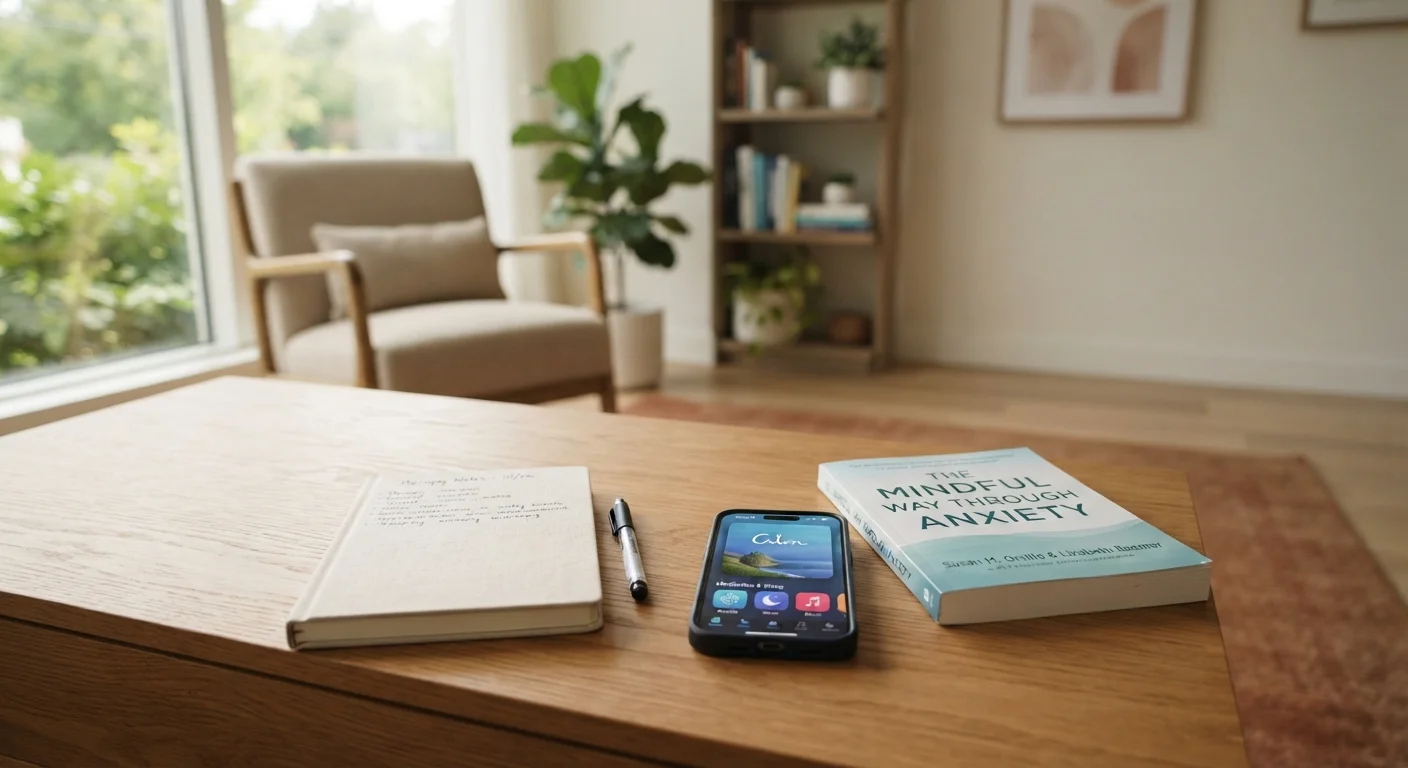

What Emotional Regulation Actually Means
Emotional regulation refers to the processes - conscious and automatic - by which people influence which emotions they have, when they have them, and how they experience and express them. It is not about maintaining a relentlessly positive mood or eliminating negative feelings. Those goals are neither realistic nor healthy.
Difficult emotions like grief, frustration, fear, and anger are normal, functional responses to life. The problem arises when these emotions become overwhelming, persist far longer than the triggering event warrants, or drive behaviors that create additional problems. Regulation skills build your capacity to move through emotional experiences without being controlled by them.
These skills are learnable. They sit at the core of several evidence-based therapeutic approaches, including Dialectical Behavior Therapy (DBT) and Cognitive Behavioral Therapy (CBT), and researchers have increasingly studied them as standalone practices accessible outside clinical settings. Incorporating them into a daily mental health routine can meaningfully strengthen emotional resilience over time.
What you will need
The Five Core Skills - Step by Step
The steps below move from awareness through action. They are designed to be used sequentially during a difficult emotional moment, though individual skills can also be practiced in isolation as standalone habits. None require special equipment or extended time.
Recognize and name what you are feeling
Before you can regulate an emotion, you need to identify it. This process - often called affect labeling - involves pausing and asking: What am I actually feeling right now? Neuroscience research suggests that putting a name to an emotion reduces activity in the brain's threat-response areas and engages the prefrontal cortex, which supports deliberate thinking.
Move beyond broad words like "bad" or "stressed." Try to identify more specific states - frustrated, embarrassed, disappointed, overwhelmed - because precision gives you more information about what you need.
Anchor yourself with a grounding technique
When emotions feel intense, grounding techniques help re-orient your attention to the present moment and interrupt a spiral. One widely used method is the 5-4-3-2-1 sensory technique: notice five things you can see, four you can physically feel, three you can hear, two you can smell, and one you can taste.
Grounding does not erase the emotion - it lowers physiological arousal enough for other skills to become usable. It is particularly helpful during anxiety, panic, or sudden surges of anger.
Use paced breathing to calm your nervous system
Slow, controlled breathing activates the parasympathetic nervous system - the body's rest-and-digest response - and counters the physiological effects of stress and strong emotion. A well-studied pattern is extended exhale breathing: inhale for a count of four, exhale for a count of six or eight. The longer exhale is the active ingredient.
Practice this for two to five minutes. You do not need a specific posture; sitting or lying down both work. The key is deliberate, unhurried breathing rather than gasping or forcing.
Check your interpretation of the situation
Emotions are partly shaped by how we interpret events, not only by the events themselves. Cognitive reappraisal - a technique with strong support in psychological research - involves deliberately examining whether your initial interpretation of a situation is the only plausible one.
Ask yourself: Is this interpretation a fact, or is it one possible reading? and What would I tell a friend in this situation? You are not dismissing the feeling; you are checking whether the story driving it is accurate.
Choose a deliberate response rather than reacting immediately
Once arousal has lowered and you have some clarity on what you are feeling and why, you can choose how to respond. This might mean having a difficult conversation, removing yourself from a stressful environment, reaching out to someone, or simply continuing with your day with more awareness.
The goal of emotional regulation is ultimately behavioral: it expands the gap between stimulus and response so that your actions reflect your values rather than the intensity of the moment.
Short Practice Beats Occasional Perfection
Research on skill acquisition suggests that brief, consistent practice is more effective than occasional long sessions. Even two to three minutes of intentional breathing or body-scanning each day can gradually build your regulatory capacity over time.
These Skills Are Not a Substitute for Therapy
The techniques in this article are general mental wellness practices, not clinical treatment. If you are experiencing persistent distress, symptoms of depression or anxiety, or thoughts of self-harm, please reach out to a qualified mental health professional or contact a crisis line. Self-regulation tools work best as part of a broader approach to well-being.
When Self-Regulation Skills Are Not Enough
Self-regulation techniques are meaningful tools, but they have real limits. They are most useful for everyday emotional friction - not for chronic, severe, or clinically significant distress. If you find that difficult feelings are persistent, interfering with work or relationships, or involving thoughts of self-harm, that signals a need for professional support rather than more practice at home.
Understanding the difference between self-guided mental wellness practices and professional care is important. Therapy, self-help tools, and mental health apps each serve different purposes - a clear-eyed look at what each can realistically offer helps you make informed decisions about your own care.
Regular reflection on your emotional patterns is also valuable. Structured self-check-in questions can help you notice when things are shifting before they escalate. And if you want to understand how physical movement fits into emotional well-being, evidence on what exercise does and doesn't do for mental health is worth reviewing with realistic expectations.
Suppression Can Backfire
Habitually pushing down or ignoring difficult emotions is associated with longer-lasting distress, not relief. The goal of regulation is not to eliminate a feeling but to reduce its intensity so you can respond thoughtfully rather than react impulsively.
This article is for general informational and educational purposes only and does not constitute medical or mental health advice. Always consult a qualified healthcare or mental health professional for guidance specific to your situation.