Why a Pre-Winter Walkthrough Matters
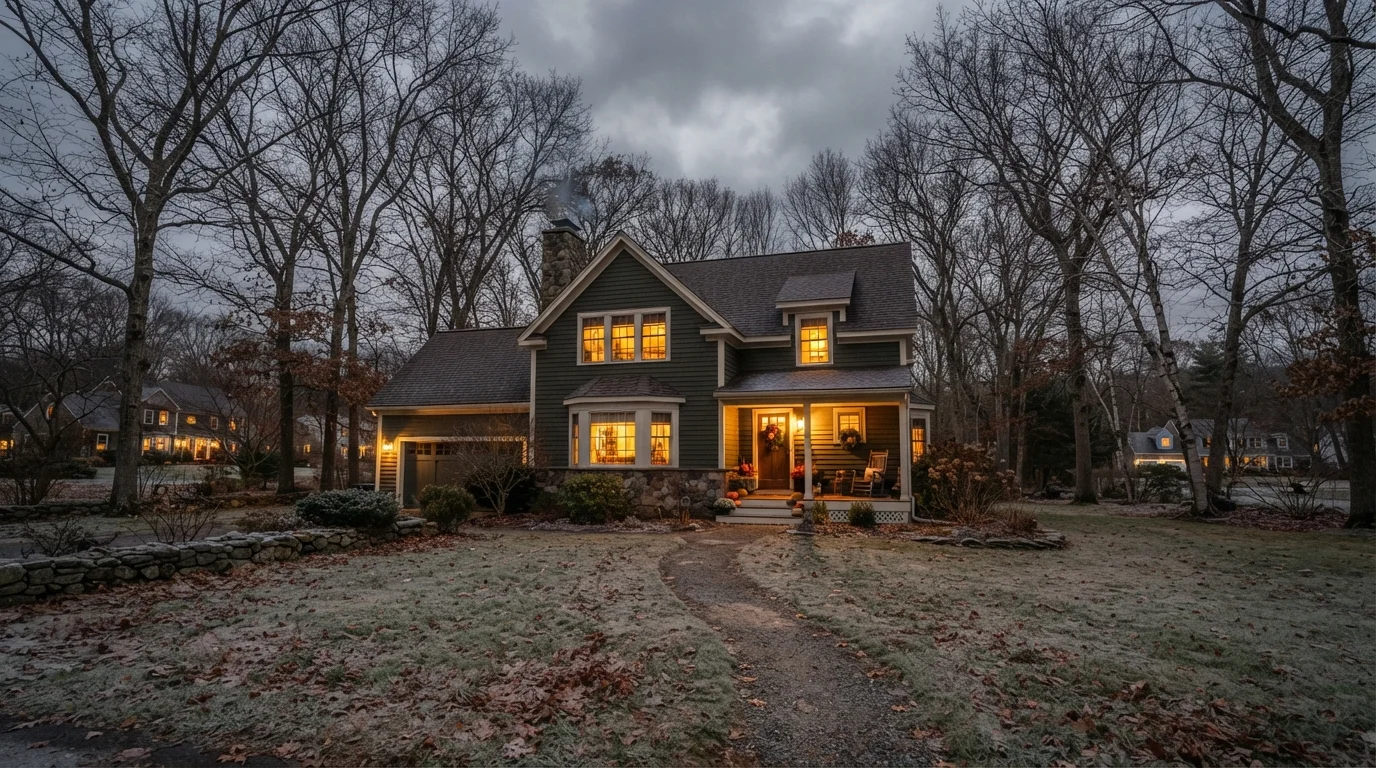
Cold weather doesn't announce itself with enough warning to scramble through repairs. Water freezes, drafts settle in, and heating systems that sat idle all summer reveal their weaknesses on the first genuinely cold night. A structured walkthrough done in late fall - before the first hard freeze - gives you time to fix problems while contractors are available, materials are in stock, and outdoor conditions still allow the work.
The steps in this checklist are organized by zone: exterior, entry points, heating, plumbing, and safety. Some items take minutes; others may point to tasks you'll want a licensed professional to handle. Either way, knowing what you're working with is the starting point.
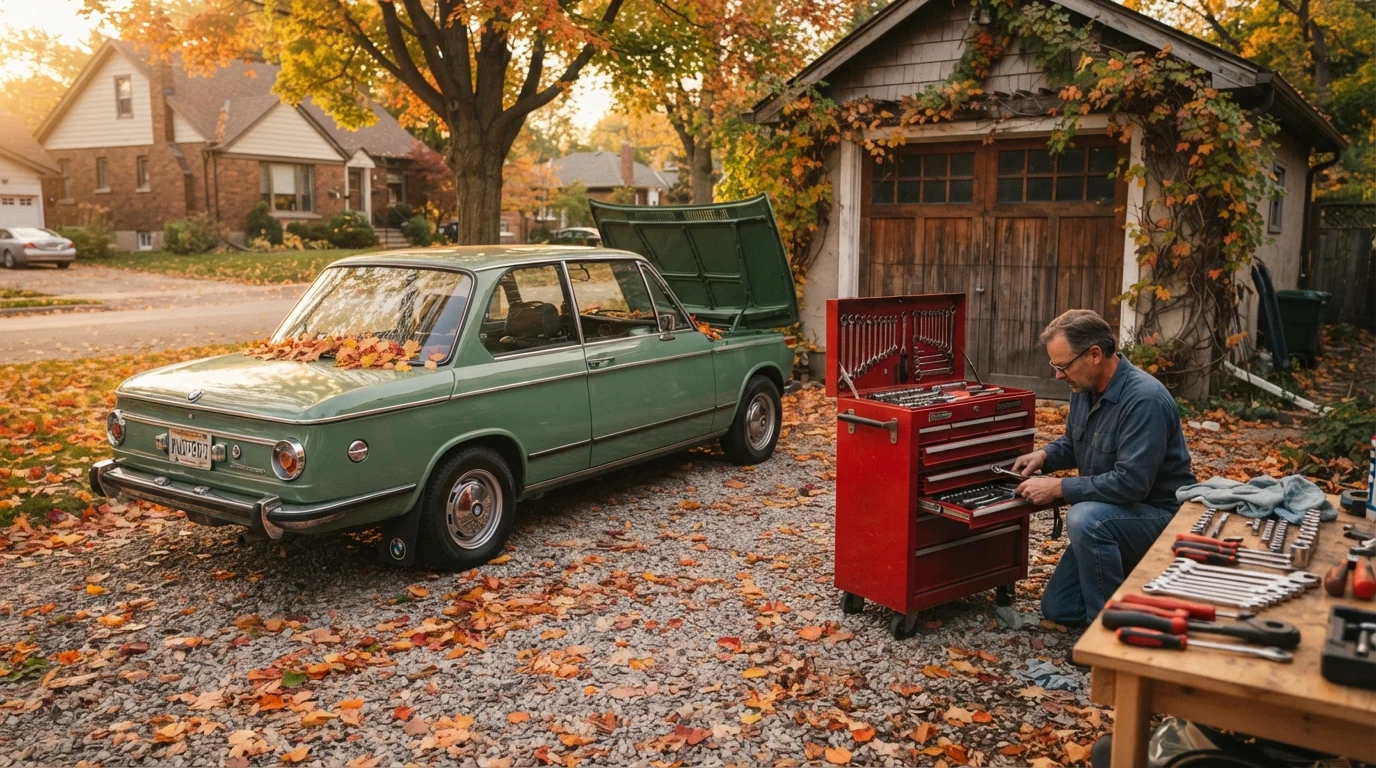
If you're also thinking about seasonal upkeep in other areas of your life, our seasonal vehicle maintenance guide covers how cold weather affects your car - a useful companion to this home checklist. For a broader room-by-room home reset, see the seasonal home refresh checklist.
What You'll Need Before You Start
Gather your tools and supplies before walking the perimeter. Having everything on hand prevents you from abandoning tasks mid-inspection.
Foam Pipe Insulation
Wraps around exposed pipes in unheated areas to slow heat loss and reduce freeze risk.
Weatherstripping & Door Sweep Kit
Seals gaps around exterior doors to block cold drafts and improve heating efficiency.
Furnace Filter (appropriate MERV rating for your system)
Replaces a clogged filter to restore proper airflow and heating performance.
Exterior-Grade Caulk
Re-seals gaps and cracks around window and door frames on the outside of the home.
Carbon Monoxide Detector
Alerts occupants to dangerous CO build-up from heating equipment running in enclosed spaces.
Gutter Scoop or Blower
Removes compacted leaf debris from gutters before it traps moisture and ice over winter.
Interior Window Insulation Film
Provides an additional thermal barrier on drafty single-pane windows without full replacement.
Renters should note which items fall under landlord responsibility - typically major systems like the furnace and plumbing - and document any issues found in writing before the heating season starts. You're still responsible for items like replacing smoke detector batteries and reporting visible pipe problems promptly.
The Full Pre-Winter Checklist
Work through these groups in order. The exterior items require the most physical effort and are most weather-dependent, so tackle them first while conditions are still reasonable. Interior items can be done in any order.
Exterior & Roof
Doors, Windows & Weatherstripping
Heating System
Plumbing & Pipes
Safety Devices & Emergency Supplies
Frozen Pipes Can Cause Severe Water Damage
A single burst pipe can release hundreds of gallons of water into your home in a short time. The damage - to floors, walls, ceilings, and belongings - can be extensive and costly. Pipe insulation and knowing your main shutoff location are not optional steps: they are among the most protective actions you can take before temperatures drop below freezing.
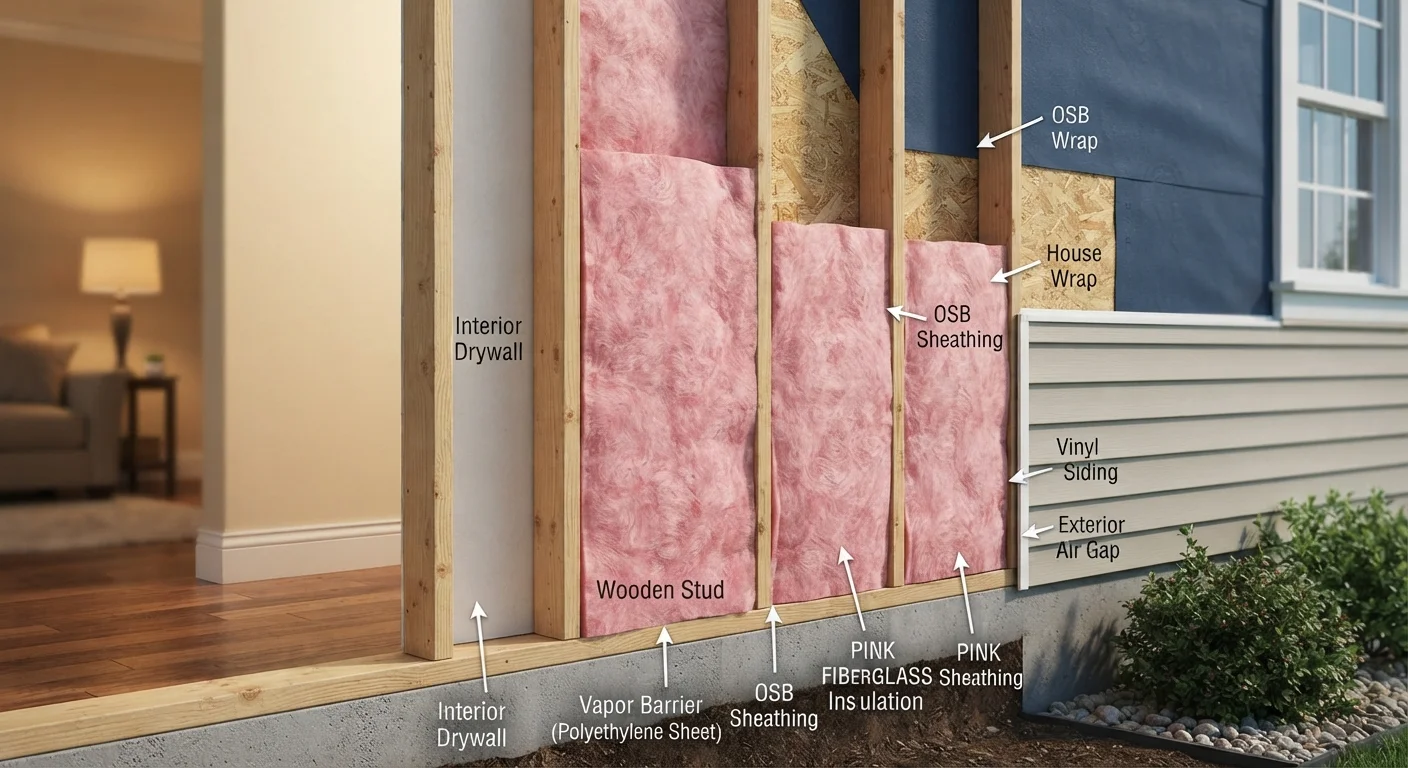
For a deeper understanding of how your walls, attic, and floor assemblies affect winter heat retention, the homeowner's guide to insulation explains R-values and material options in plain terms.
After the Walkthrough: What to Do With What You Found
A completed walkthrough often produces a short list of DIY fixes - weatherstripping, a filter swap, pipe foam - and a shorter list of items that need professional attention. Prioritize anything involving the heating system, gas lines, or structural concerns. Schedule those calls early; HVAC technicians book up quickly once cold weather arrives.
For the DIY items, tackle high-impact sealing work first. Drafty doors and windows are among the most common sources of heat loss in older homes, and the materials are inexpensive. Once the physical prep is done, confirm your safety devices are current and your emergency supplies are stocked.
Gas Appliances: Leave Repairs to Professionals
Never attempt to service, adjust, or repair a gas furnace, boiler, or water heater yourself. Gas work requires licensed technicians and, in most jurisdictions, permits. If you smell gas at any point, leave the home immediately and call your utility provider's emergency line. This checklist covers inspection and observation only - not gas-system repairs.
Roof and Ladder Work Carries Real Risk
Inspecting a roof up close involves fall hazards that injure thousands of homeowners each year. If you are not comfortable on a ladder or the roof pitch is steep, hire a licensed roofing contractor for the inspection. Do not attempt roof work in wet, frosty, or windy conditions.
Winter preparation isn't only about the home itself. If you haven't yet thought about rotating your wardrobe for the colder months, seasonal wardrobe transitions offers practical guidance on making what you own work across changing weather - no shopping required.