Why Seasonal Maintenance Matters
Your vehicle faces genuinely different stress depending on the time of year. Sub-freezing temperatures thicken engine oil, drain battery reserves, and cause tire pressure to drop. Summer heat accelerates coolant breakdown, strains the air conditioning compressor, and can push an aging battery past its limit. Ignoring these seasonal shifts is one of the most common ways preventable breakdowns happen.
This checklist is organized by season so you can work through it at a natural pace — ideally a week or two before conditions shift. It complements, rather than replaces, whatever service intervals your owner's manual specifies. For a broader look at long-term vehicle care, see our guide to keeping your car running well for the long haul.
None of the checks below require specialized equipment, but some findings — particularly anything involving brakes, suspension, or major fluid contamination — should be handed to a qualified mechanic rather than addressed at home.
Don't Skip the Battery Check in Fall
A battery can test within acceptable voltage range yet still lack the cold-cranking amps needed for a January start. Load testing — not just voltage testing — is the meaningful measure. Many auto parts retailers will perform a load test at no charge, but confirming the process with the shop before relying on the result is always a good idea.
Tools You'll Want on Hand
Before working through any seasonal check, gather the basic tools that make visual and physical inspections practical. Having these ready reduces friction and helps you complete a full review in one session.
Tire Pressure Gauge
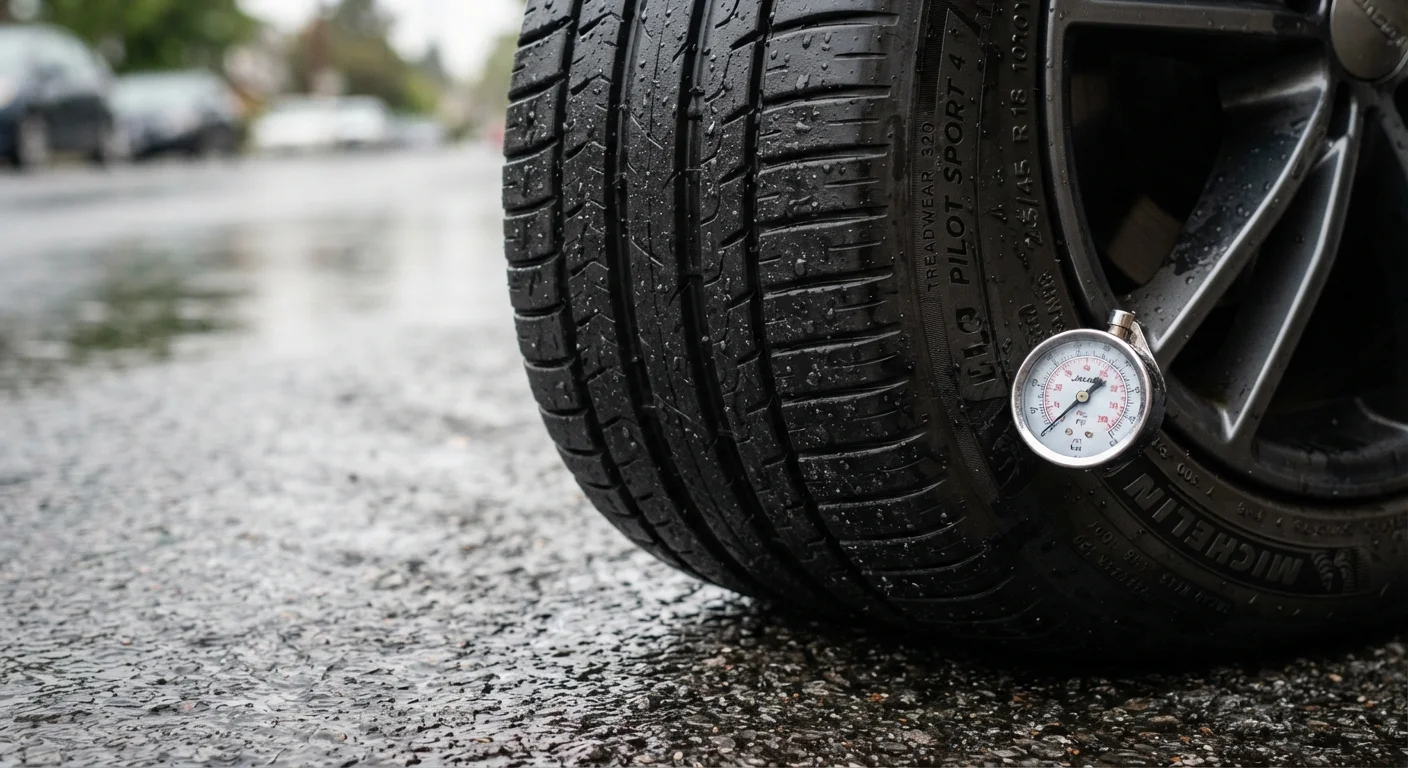
Used to check and adjust tire pressure accurately at each seasonal transition.
Battery Load Tester
Tests whether your battery can hold a charge under the load conditions typical of cold starts.
Coolant/Antifreeze Tester
Measures the freeze protection level of your coolant to confirm it matches your climate.
Flashlight or Inspection Light
Illuminates brake components, hoses, belts, and undercarriage areas that are difficult to see in ambient light.
Tread Depth Gauge
Provides a precise reading of remaining tire tread, which a simple penny test approximates but cannot measure exactly.
OBD-II Code Reader
Reads any stored diagnostic fault codes before or after a seasonal check so you're not driving with an unaddressed warning.
The Seasonal Checklist
Work through the groups below that correspond to your upcoming season. Items marked must are non-negotiable for safety and reliable operation. Should items are strongly advisable. Nice-to-have items extend longevity but can be deferred if time or budget is tight.
Tire pressure and tread depth come up in both fall and spring checks — because temperature swings of just 10°F can shift tire pressure by roughly 1 PSI, your readings from six months ago are not reliable today. Similarly, if a warning light appears during any check, knowing what it means helps you triage urgency before booking a shop visit.
Fall Prep (Before Cold Weather Arrives)
Winter Operation (Ongoing Cold-Weather Checks)
Spring Inspection (After Winter Stress)
Summer Prep (Before Heat Peaks)
Acting on What You Find
A checklist is only useful if findings lead to action. Minor issues — a low washer fluid reservoir, a dirty cabin air filter, slightly low tire pressure — are easy to address at home or at any quick-lube shop. More significant findings, like a battery that tests weak, brake pads below the wear indicator, or coolant that looks rusty, warrant a visit to a qualified mechanic.
Deferred maintenance compounds. Skipping oil changes is a well-documented example of how small omissions become expensive repairs. The same logic applies across the vehicle: catching a cracked serpentine belt in fall costs far less than the roadside tow and potential engine damage it could cause in January.
If you notice an unfamiliar noise while running through any of these checks, this guide on evaluating car sounds can help you decide how urgently to act. And since unexpected repair bills have a way of surfacing without warning, keeping a small vehicle maintenance fund within your overall budget — see budgeting basics — reduces the financial sting when something does need professional attention.
This article provides general vehicle maintenance information for educational purposes only. Always consult your owner's manual and, where appropriate, a qualified mechanic before performing or deferring any service on your vehicle.