Why Dashboard Lights Exist — and Why They Matter
Modern vehicles are equipped with onboard diagnostic systems that continuously monitor dozens of mechanical, electrical, and safety parameters. When something falls outside normal operating range, your dashboard responds with a warning icon. These aren't suggestions — they're signals from your vehicle's computer telling you that attention may be needed.
Ignoring a warning light rarely makes the problem go away. In many cases, a minor issue left unaddressed compounds into a more expensive repair. Understanding which lights demand immediate action and which allow some time to schedule a mechanic visit is one of the most practical skills a driver can have. Pair this knowledge with a broader maintenance routine — see our seasonal vehicle maintenance guide — and you're well ahead of most drivers on the road.
| Number of OBD-II fault codes | Over 5,000 standardized codes (SAE International OBD-II specification) |
| When OBD-II became mandatory in the US | 1996 (all new passenger vehicles) (U.S. Environmental Protection Agency) |
| Most frequently triggered warning light | Check Engine Light (Commonly reported across automotive industry surveys) |
| TPMS federal mandate (US) | Required on all new vehicles since 2008 (NHTSA TPMS Final Rule) |
| Recommended response to a red warning light | Stop safely as soon as possible (General automotive safety guidance) |
The Most Common Warning Lights Decoded
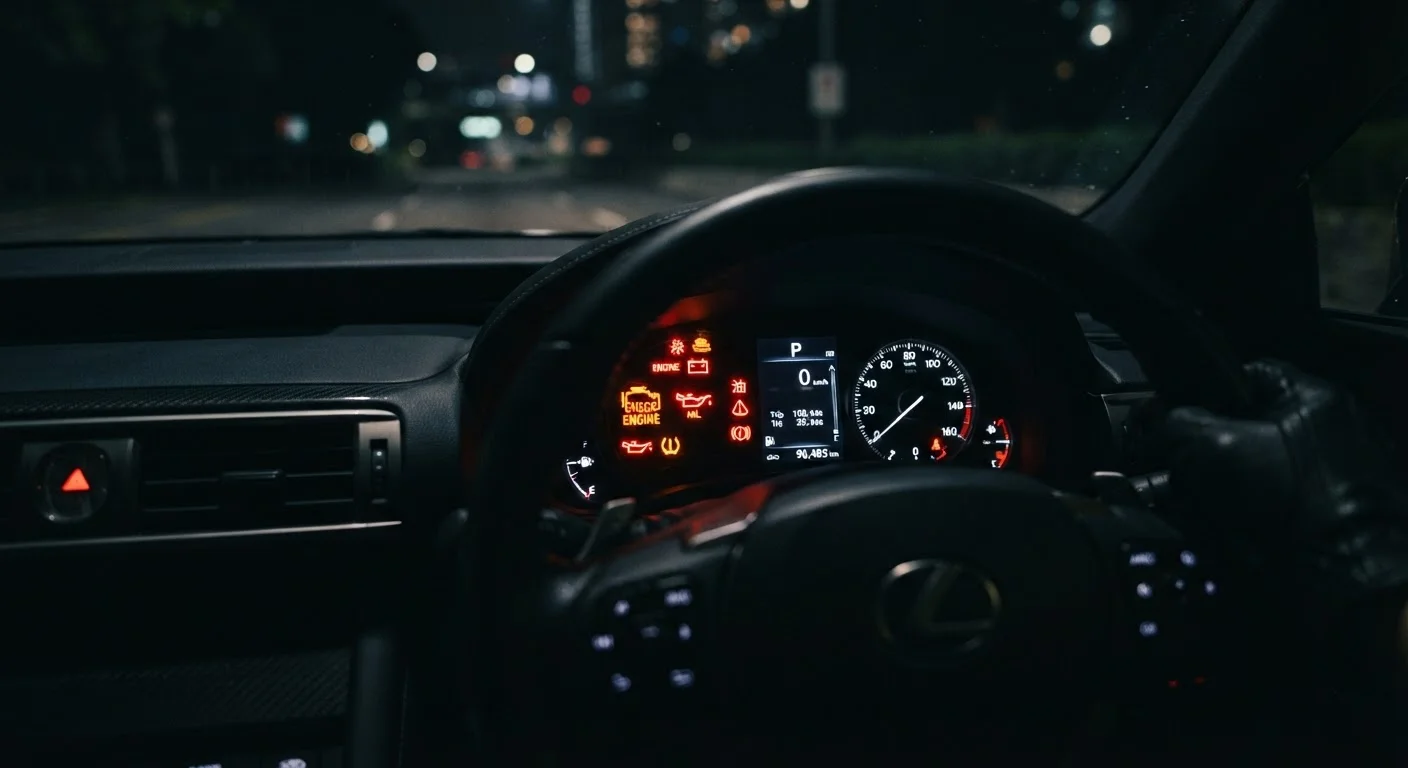
Below are the dashboard indicators drivers encounter most frequently, along with what each typically signals and how urgently you should respond.
Check Engine Light (CEL)
An amber or red engine icon triggered by the vehicle's onboard diagnostic system (OBD-II) when it detects a fault in the engine, transmission, or emissions system. The cause can range from a loose gas cap to a failing catalytic converter — a mechanic's diagnostic scanner is needed to read the stored fault code.
TPMS (Tire Pressure Monitoring System)
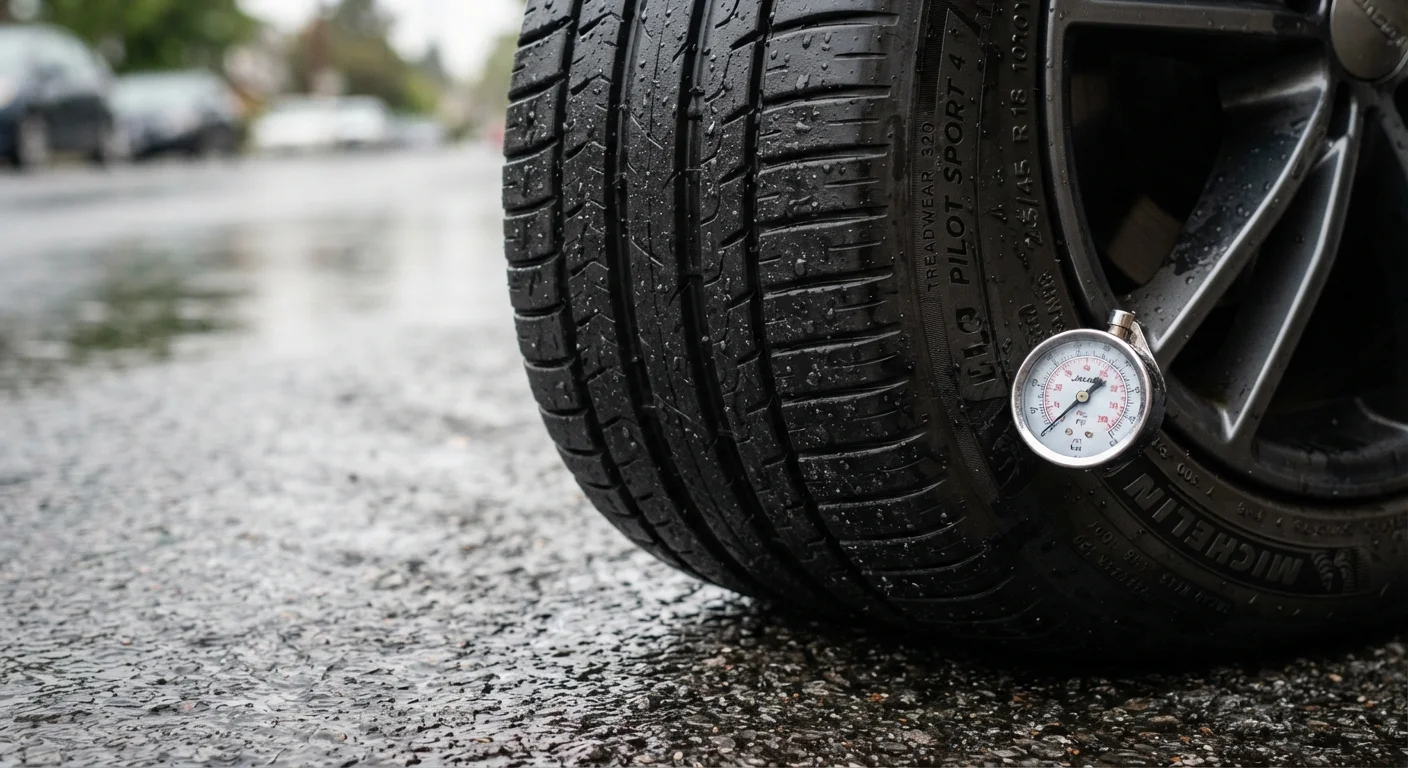
A system that alerts drivers when one or more tires falls significantly below the recommended inflation pressure. The icon typically shows a cross-section of a tire with an exclamation point. Check all four tires with a gauge when this light appears.
Battery Warning Light
A red battery icon that illuminates when the electrical charging system is not functioning properly. This can indicate a failing alternator, a weak battery, or a broken drive belt. If this light appears while driving, electrical systems may begin to shut down — get to a safe location promptly.
Oil Pressure Warning
A red oil can icon that signals low oil pressure, not necessarily low oil level. This is one of the most serious dashboard warnings — continued driving with low oil pressure can cause catastrophic engine damage. Stop the vehicle safely and do not restart without investigation.
Transmission Temperature Warning
Indicates the transmission fluid is operating above its safe temperature range. This can occur during towing, stop-and-go traffic, or if fluid is low. Pulling over and allowing the vehicle to cool reduces the risk of transmission damage.
ABS Warning Light
The Anti-lock Braking System light signals a fault in the system designed to prevent wheel lockup during hard braking. Normal braking still functions, but the ABS safety feature may be inactive until repaired.
Brake System Warning
A red circle with an exclamation point or the letter 'P' inside a circle. Can indicate that the parking brake is engaged, brake fluid is low, or there is a fault in the braking system. Check the parking brake first; if it's disengaged and the light remains, have it inspected immediately.
Coolant Temperature Warning
A red thermometer icon indicates the engine is overheating. Pull over safely, turn off the engine, and do not open the radiator cap while the engine is hot. Continued driving while overheating can cause severe and permanent engine damage.
For lights that involve tire-related icons specifically, understanding the underlying numbers matters. Our tire pressure and tread depth guide explains exactly what pressure readings and tread measurements mean for your safety.
Dashboard lights work best as part of a broader awareness of how your vehicle is behaving. Unusual sounds often accompany warning indicators — knowing how to evaluate them is equally useful. See when a strange car sound needs a mechanic for a practical breakdown.
Your Owner's Manual Is the Authoritative Source
Dashboard icons are not fully standardized across all manufacturers — some symbols may look similar but mean different things depending on the make and model. Always cross-reference any unfamiliar warning light with your vehicle's owner's manual before drawing conclusions. If the manual is unavailable, many manufacturers provide digital versions through their official websites.
Red vs. Yellow vs. Green: Understanding Alert Severity
Not all warning lights carry the same weight. Most manufacturers use a consistent color-coding system:
- Red lights indicate serious or potentially dangerous conditions. Stop driving as soon as it is safe to do so and consult a qualified mechanic before continuing.
- Yellow or amber lights signal a condition that needs attention soon but typically doesn't require pulling over immediately. Schedule a service appointment promptly.
- Green or blue lights are informational — they confirm that a system is active, such as high beams or cruise control. No action is required unless unexpected.
1 in 4
Vehicles on the road with an active check engine light
Estimates from automotive research suggest roughly one in four vehicles on U.S. roads has an illuminated check engine light at any given time.
~28%
Tire-related crashes linked to underinflation
The National Highway Traffic Safety Administration (NHTSA) has identified underinflated tires as a contributing factor in a significant share of tire-related crash fatalities.
When in doubt about any warning light, consulting your owner's manual is always the right first step. It contains vehicle-specific information that general guides cannot fully replicate. If your vehicle is used and you're uncertain about its history, reading a vehicle history report can give you useful context about past repairs and recurring issues.
This article provides general automotive information for educational purposes. Always consult a qualified mechanic for diagnosis and repairs specific to your vehicle.