
Why Car Sounds Deserve Your Attention — But Not Always Your Panic
Cars make noise. Some of that noise is completely normal — the low hum of tires on pavement, the click of a turn signal, the occasional creak from a door seal. But when a sound appears that wasn't there before, most drivers face an immediate question: Is this serious?
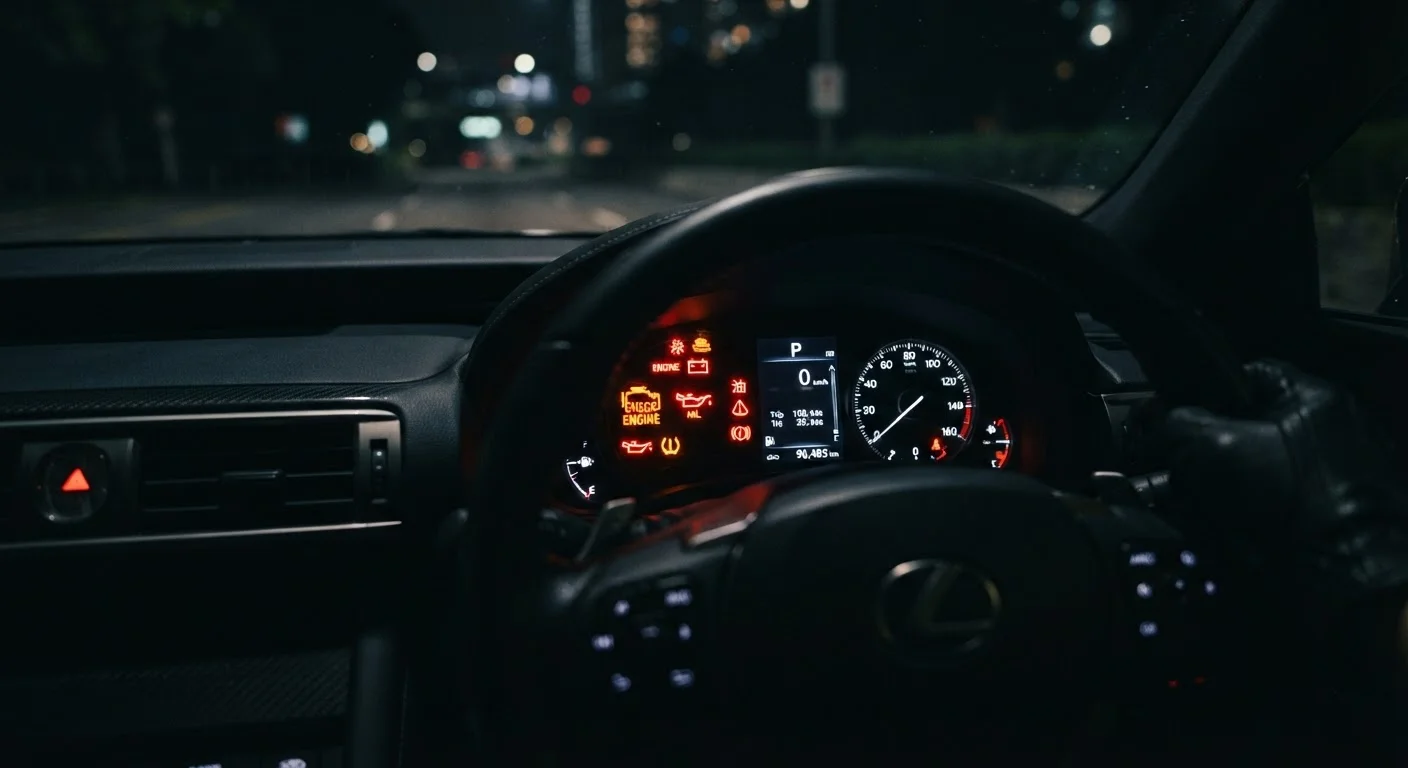
The honest answer depends on several factors: where the sound comes from, when it occurs, whether it changes with speed or steering input, and whether it's accompanied by any warning lights or changes in vehicle behavior. See our guide to dashboard warning lights for help interpreting any lights that appear alongside a new noise.
The following steps walk you through a simple, systematic approach to evaluating an unfamiliar vehicle sound before you call a shop — or before you dismiss something that genuinely needs attention.
What you will need
Step-by-Step: Evaluating an Unfamiliar Car Sound
Note Exactly When and How the Sound Occurs
Before doing anything else, gather the basics: Does the sound happen when the engine is cold or warm? At low speeds or highway speeds? During acceleration, braking, turning, or only when going over bumps? The more precisely you can describe the conditions, the more useful the information will be — both for your own assessment and for any mechanic you consult.
Locate the General Source of the Sound
Try to determine where the noise originates: front or rear of the vehicle, driver's side or passenger's side, under the hood, from the wheels, or inside the cabin. Roll down your windows in a safe area and listen carefully. This narrows the list of possible causes considerably and helps distinguish, for example, a brake issue from a suspension issue.
Check for Accompanying Warning Lights or Changes in Handling
A sound in isolation is one data point. A sound paired with a dashboard warning light, vibration through the steering wheel, pulling to one side, or reduced braking responsiveness is a more urgent combination. Any time vehicle behavior changes alongside a new noise, treat it as a higher-priority situation.
Check Fluid Levels and Tire Condition
With the engine off and cooled, check your oil level, coolant reservoir, and brake fluid. Low oil can cause ticking or knocking; low coolant can contribute to hissing or gurgling. While you're at it, visually inspect your tires for uneven wear, low pressure, or visible damage — these can generate humming, thumping, or vibration sounds that are easy to misattribute.
Decide: Monitor, Schedule, or Act Now
Based on what you've observed, place the sound in one of three categories:
- Act now: Safety-critical sounds — grinding brakes, engine knocking, hissing coolant, clunking from suspension — that require prompt professional evaluation.
- Schedule soon: Sounds that are new, persistent, and unexplained but not immediately affecting vehicle behavior. Book a service appointment within the next few days.
- Monitor: Sounds with an obvious benign explanation (morning brake squeal, interior rattle from loose trim) that you can watch over time and mention at your next routine service.
Write It Down Before You Forget
Memory fades quickly after a drive. Jot down a brief description of any new sound — including conditions, location, and whether it changed — as soon as you park. A written record helps you spot patterns over multiple occurrences and gives a mechanic precise, useful information to work from.
Sounds That Should Send You to a Mechanic Promptly
Certain noises consistently point to conditions that can worsen quickly or pose a safety risk. These are sounds you should not ignore or delay investigating:
- Grinding when braking: Often indicates worn brake pads contacting the rotor. Brakes are a safety-critical system — have them inspected promptly.
- Knocking or pinging from the engine: May signal low oil pressure, poor fuel combustion, or internal engine wear. Continuing to drive can accelerate damage.
- Hissing or bubbling under the hood: Suggests a coolant or vacuum leak. Overheating can follow quickly.
- Loud clunking over bumps or during turns: Could indicate a failing ball joint, tie rod, or strut — components directly tied to steering and vehicle control.
- High-pitched squealing that persists: A worn serpentine belt can fail suddenly, disabling power steering and the alternator.
Brake and Steering Noises Are Never Optional
Grinding, clunking, or pulling associated with braking or steering are not sounds to monitor over time — they affect your ability to control the vehicle. If you experience these, reduce unnecessary driving and schedule a mechanic inspection as soon as possible. Do not wait for a scheduled maintenance visit.
If any of these sounds appear alongside a dashboard warning light, treat the combination as an urgent signal and have the vehicle evaluated before driving long distances. Refer to our seasonal maintenance guide to understand how temperature extremes can accelerate wear on these components.
Sounds That Are Usually Less Urgent
Not every new noise is a crisis. Some sounds are common, well-understood, and unlikely to worsen rapidly:
- Light brake squeal on cold or damp mornings: A thin layer of surface rust on rotors is normal after overnight moisture. It typically clears after a few gentle stops.
- Clicking from the engine on cold start: Oil takes a moment to circulate on startup; brief ticking that resolves within 30 seconds is generally normal, though persistent ticking warrants a check.
- Rattling over rough roads from the interior: Loose trim panels, unsecured cargo, or a worn heat shield under the vehicle are common culprits — typically a minor fix.
- A soft whirring that tracks with speed: Could be a worn wheel bearing in its early stages. Worth monitoring closely and scheduling an inspection, but not usually an immediate emergency.
Even less urgent sounds should be noted and mentioned at your next scheduled service. Patterns that intensify over time often signal progressing wear.