
Why Vehicle History Reports Exist — and What They Actually Cover
A vehicle history report aggregates data from state DMV records, insurance claims, auction databases, and service centers to give buyers a documented picture of a car's past. The report is tied to a vehicle's VIN — the unique 17-character code stamped on every modern vehicle — so each report is specific to one car.
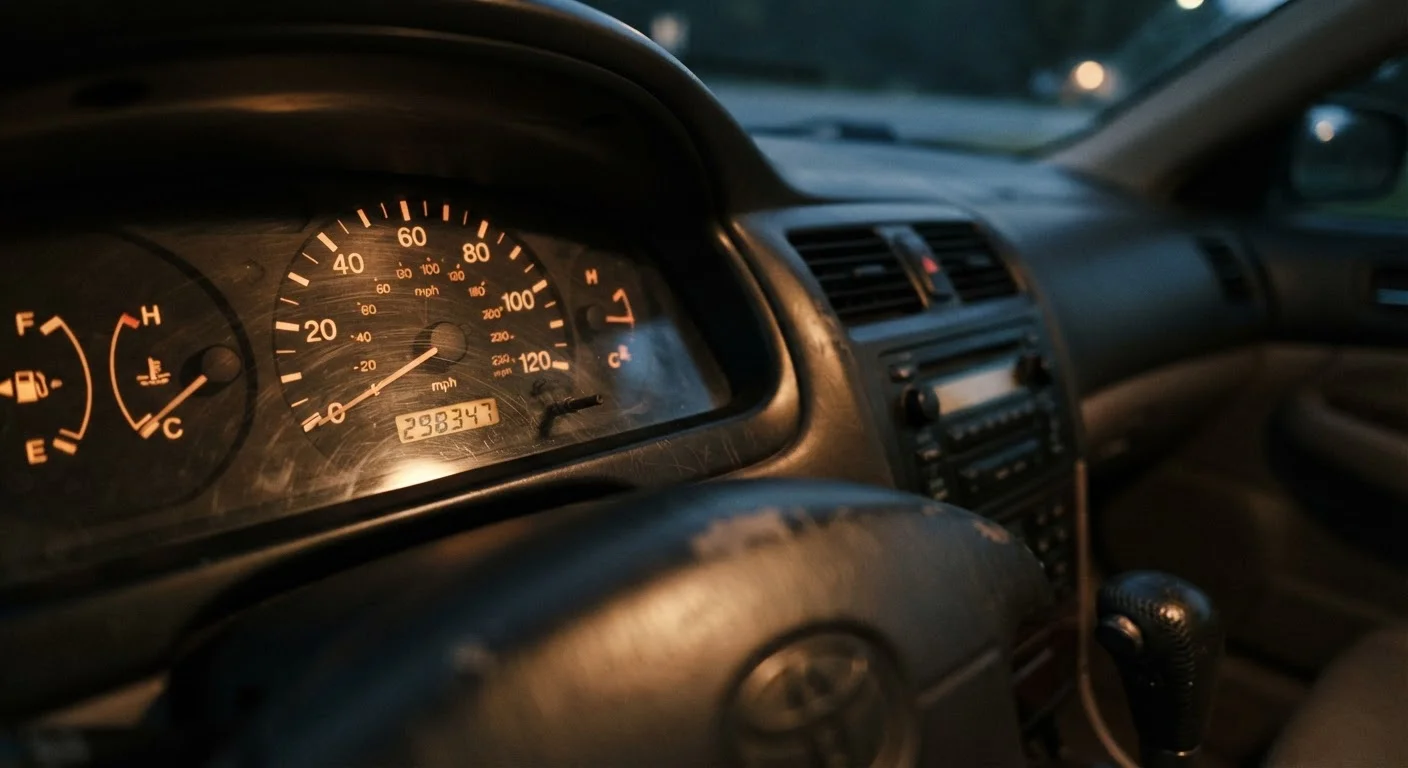
Reports typically cover five broad categories: title history, accident and damage records, odometer readings over time, ownership count, and service or inspection records. Not every event in a car's life gets reported — private repairs and cash transactions often leave no paper trail — but reported events carry real weight. Understanding what the odometer number actually tells you about a used car is one part of that larger puzzle.
What you will need
Step-by-Step: How to Work Through the Report
Rather than reading a vehicle history report top to bottom, experienced buyers prioritize specific sections. The steps below reflect that order of importance.
Locate and Verify the Title History Section
Start here — always. The title section tells you the vehicle's legal ownership status. Look for one of the following designations:
- Clean title: No significant reported damage or liens that altered the title status.
- Salvage title: The vehicle was declared a total loss by an insurer, typically meaning repair costs exceeded a threshold percentage of its value.
- Rebuilt or reconstructed title: The vehicle was previously salvaged but has since been repaired and re-inspected.
- Lemon law buyback: The manufacturer repurchased the vehicle due to persistent defects under state lemon laws.
A salvage or rebuilt title is not an automatic dealbreaker, but it substantially affects insurance options, resale value, and long-term reliability. Many standard insurers will not offer comprehensive coverage on a rebuilt-title vehicle.
Review the Accident and Damage Records
This section logs reported collisions, airbag deployments, and structural damage events. Pay attention to:
- Severity: Minor fender damage differs significantly from reported frame or structural damage.
- Repair documentation: Was the repair performed at an insured, licensed facility? Reports sometimes include the shop name.
- Multiple incidents: A car with two or more accident entries warrants especially close physical inspection.
Structural damage is the most serious flag. A compromised frame affects crash safety, alignment, and long-term wear in ways that may not be visible without a lift inspection.
Check the Odometer Reading History
The report will typically list multiple odometer readings captured at different points — inspections, registrations, or service visits. Look for:
- Consistent progression: Readings should increase steadily over time.
- Rollbacks: A reading lower than a previous entry is a serious red flag and may indicate odometer fraud, which is a federal offense.
- Gaps with no readings: Long periods without any recorded mileage can sometimes indicate the vehicle was out of the country, in storage, or had its history partially obscured.
Count the Number of Previous Owners and Ownership Duration
More owners isn't automatically worse — a fleet vehicle might have had many registered operators but consistent professional maintenance. What matters more is the pattern. Watch for:
- Multiple ownership changes within a single year, which can indicate the car was being resold quickly after problems surfaced.
- A history of rental or fleet use, which typically means higher mileage and harder daily use cycles.
- Geographic moves across multiple states, which may complicate title verification in some cases.
Scan the Service and Inspection Records
This section aggregates reported maintenance visits — oil changes, state emissions tests, safety inspections, and dealer service records. A well-documented service history suggests an owner who followed the manufacturer's maintenance schedule. Look for:
- Regular interval servicing consistent with typical manufacturer recommendations.
- Evidence that major services (transmission service, timing belt, brake replacement) were performed at appropriate mileage points.
- Any notes flagging recurring issues that were brought in repeatedly but not fully resolved.
For context on what attentive long-term maintenance looks like, see your car's dashboard warning lights, decoded — understanding what drivers are expected to respond to helps calibrate what a good service record should reflect.
A Clean Report Is Not a Guarantee
Vehicle history reports only reflect what was officially documented and reported. Unreported accidents, private mechanical repairs, and flood damage that bypassed the insurance system will not appear. Treat a clean report as a positive data point, not a final verdict. Always follow up with a hands-on inspection from a qualified, independent mechanic before committing to a purchase.
What the Report Can't Tell You
Even a spotless report has blind spots. Flood damage repaired out-of-pocket, frame straightening done by an unlicensed shop, or interior mold from water intrusion may never appear. This is why no serious buyer should skip a pre-purchase inspection by an independent, qualified mechanic — someone with no financial relationship to the seller or dealership.
Service record gaps are common and don't automatically signal neglect. Many owners perform oil changes themselves or use independent shops that don't report to national databases. Gaps deserve a direct conversation with the seller, not an automatic disqualification.
Use the VIN to Cross-Check Multiple Sources
If you obtain a report from one provider, consider running the same VIN through the National Motor Vehicle Title Information System (NMVTIS), which is a federally authorized database. Some states also publish free title check tools. Cross-referencing two sources takes only a few minutes and can surface discrepancies that a single report might miss.
For broader context on what responsible ownership looks like over time, see keeping your car running well for the long haul. And if you're new to vehicle ownership altogether, owning a car in America: a complete overview for first-timers offers a solid foundation.