
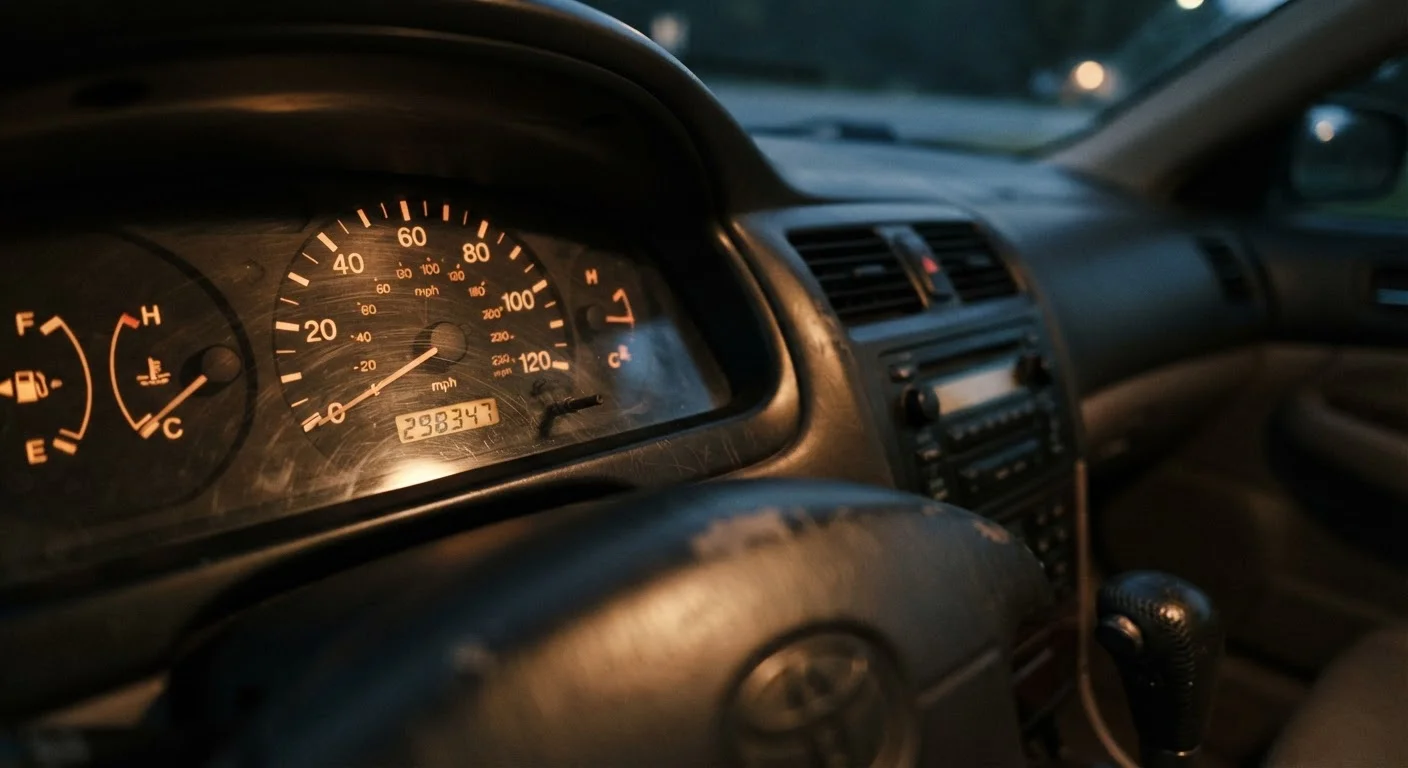
Why Mileage Gets Too Much Attention
When shoppers browse used car listings, the odometer number is often the first filter they apply. Under a certain threshold feels safe; above it feels risky. But treating mileage as a pass/fail threshold oversimplifies what is actually a more nuanced picture of a vehicle's life.
The odometer tells you one fact: how far the car has traveled. It says nothing about road type, driving style, climate, or whether the engine oil was changed on schedule. Two vehicles showing 80,000 miles on the dial can be in dramatically different states of health depending on those factors.
~13,500
Average miles driven per year by U.S. drivers
According to the Federal Highway Administration, this figure serves as a useful benchmark when assessing whether a used vehicle's mileage is above or below typical accumulation for its age.
~$4,000
Estimated annual cost of odometer fraud to U.S. consumers
The National Highway Traffic Safety Administration has cited odometer fraud as costing American consumers hundreds of millions of dollars annually, affecting an estimated 450,000 vehicles sold each year.
The Variables That Give Mileage Its Meaning
To evaluate an odometer number fairly, consider it alongside the following:
- Maintenance records: A car with documented oil changes, fluid flushes, and scheduled service at manufacturer-recommended intervals will typically outlast an identical model with gaps in care, regardless of mileage.
- Driving environment: Highway-heavy miles place less cumulative stress on most mechanical systems than urban stop-and-go driving, which cycles brakes, transmission clutches, and the engine more aggressively per mile traveled.
- Vehicle age relative to mileage: A five-year-old vehicle with 90,000 miles was driven hard; the same mileage on a ten-year-old car suggests lighter, steadier use. Age matters for rubber seals, belts, and fluid degradation independent of how far the car went.
- Known repair history: Major components — timing belts, water pumps, transmissions — that have already been replaced at high mileage can be reassuring signs that a high-mileage vehicle has been responsibly maintained.
Ask for Service Records Upfront
Before spending time evaluating mileage in detail, ask the seller for any available maintenance records. Even partial documentation — an oil change receipt, a dealer inspection printout — gives you a basis for comparison and signals how the previous owner approached routine care.
What a Vehicle History Report Adds to the Picture
No evaluation of an odometer number is complete without a vehicle history report. These reports aggregate data from title records, insurance claims, inspection stations, and service facilities to build a timeline of the vehicle's life.
Critically, history reports can flag odometer discrepancies — instances where a later mileage reading is lower than an earlier one, which may indicate tampering. They also reveal how many owners the vehicle has had and whether it carries a salvage, flood, or lemon law title, all of which directly affect the weight you should give the odometer figure.
Learn how to navigate a vehicle history report to identify the sections that matter most and the red flags worth acting on before you proceed with any purchase decision.
The Case for a Pre-Purchase Inspection
Even with mileage context and a clean history report, a pre-purchase inspection by an independent, qualified mechanic remains the most reliable way to assess actual condition. A mechanic can identify wear patterns, fluid conditions, and emerging issues that no document will reveal.
Physical inspection can also cross-check the odometer story: worn pedal pads, a heavily creased steering wheel, or a driver's seat showing significant fatigue on a supposedly low-mileage vehicle are warning signs worth investigating. These details help confirm — or challenge — what the numbers suggest.