
Why Seasonal Wardrobe Transitions Feel Harder Than They Should
Every season change seems to arrive with a quiet pressure: the sense that your wardrobe is wrong, outdated, or simply not enough. Retail cycles reinforce this feeling by flooding stores with new arrivals the moment temperatures shift. But for most people, the clothes already hanging in their closet are more than adequate — they just haven't been organized or layered with intention.
The real challenge isn't a wardrobe shortage. It's a visibility problem. When summer clothes are crammed in alongside winter coats, nothing feels wearable. A little structure goes a long way. Transitioning seasonally is also a great complement to other home refresh habits — much like the seasonal home refresh checklist, it's about resetting your environment so it works for you rather than against you.
Don't Skip the Audit Step
Jumping straight into reorganizing without evaluating what you own leads to the same frustrating outcome each season: a full closet that feels like it has nothing to wear. Take 20 minutes to assess fit, condition, and wearability before moving anything around. This single habit pays off every time.
What You'll Need Before You Start
This process doesn't require any special equipment, but a few basics make it smoother and protect your clothing over months of storage.
What you will need
Breathable storage bins or boxes
Store off-season clothing without trapping moisture that leads to mildew or fabric damage.
Cedar blocks or lavender sachets
Naturally deter moths and keep stored woolens and knits smelling fresh.
Slim, uniform hangers
Maximize closet rod space and keep garments from slipping or losing shape.
Garment labels or sticky notes
Label storage bins by season so retrieval next year takes seconds, not minutes.
Vacuum Storage Bags Can Damage Some Fabrics
Compression storage works well for bulky items like comforters and synthetic-fill coats, but avoid vacuum-sealing wool, cashmere, or structured blazers — compressing these can permanently distort their shape or flatten the fibers. Fold them loosely and store in breathable cotton bags or boxes instead.
How to Transition Your Wardrobe Season to Season
Follow these steps to move through the transition efficiently — whether you're shifting from summer to fall, or winter to spring. The process is the same; only the pieces change.
Pull Everything Out and Do a Quick Audit
Before you reorganize a single thing, take everything out of your closet and drawers — including what's in storage. You need a clear picture of what you actually own. Check each piece for fit, damage, and whether you genuinely wore it last season. Anything that no longer fits, is beyond repair, or hasn't been touched in over a year is a candidate for donation or responsible disposal.
For a deeper framework on this process, see the wardrobe audit guide — it walks through exactly what to keep, question, and release.
Identify Your Year-Round Foundation Pieces
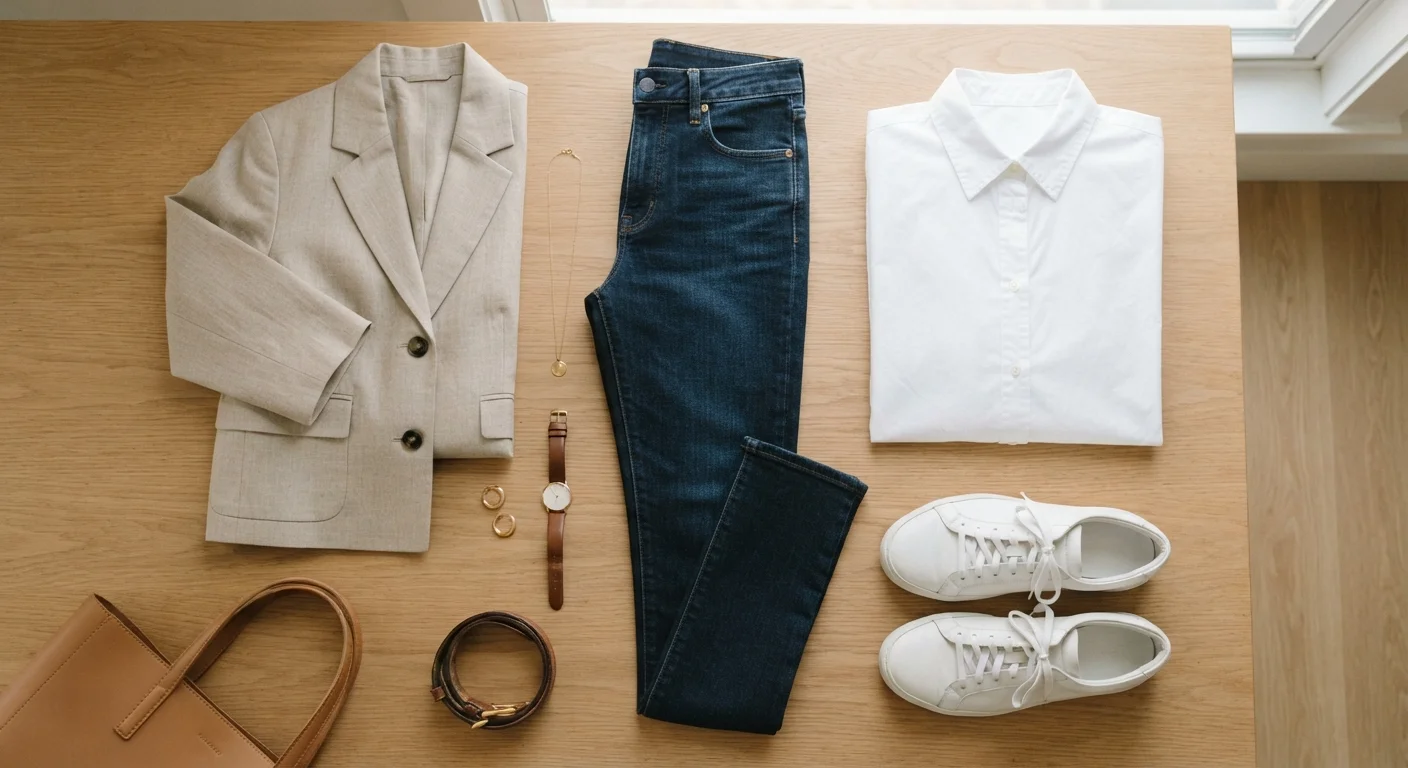
Certain pieces genuinely earn a permanent spot in your accessible closet regardless of season: well-fitted dark jeans, neutral crewneck tops, a structured blazer, a white button-down, and versatile ankle boots or clean sneakers are classic examples. These are the pieces that anchor outfits in every season — the throughline of your wardrobe rather than seasonal decorations.
Once you know your foundation, everything else gets evaluated on how well it works with those anchors. If you're still building that base, the complete guide to a versatile everyday wardrobe is a useful companion resource.
Layer Strategically Rather Than Replace
The most cost-effective seasonal transition skill is layering. A lightweight linen dress that felt complete in July becomes a fall outfit layered over a fitted turtleneck with ankle boots. A summer-weight blazer worn open over a t-shirt in September becomes a mid-layer under a heavier coat in November. Think of your wardrobe as a system of temperatures, not a set of seasonal costumes.
Focus on pieces that add warmth without bulk: thin merino cardigans, fitted long-sleeve tops, and lightweight scarves are the real workhorses of a transition wardrobe. For reliable combinations that work across temperatures and occasions, outfit formulas worth knowing can help.
Wash and Properly Store Off-Season Items
Never store clothing that isn't clean — oils, sweat, and invisible food residue attract moths and set stains permanently over months of storage. Wash or dry-clean everything before packing it away. Once clean, fold knitwear flat (hanging stretches the shoulders), use breathable cotton storage bags for delicates, and keep everything in a cool, dry space away from direct sunlight.
Spot the Real Gaps — Then Shop With Intention
After your audit and reorganization, you'll likely find one or two genuine needs rather than a full seasonal wardrobe shortage. Maybe you're short on layering pieces, or last winter's boots finally gave out. That's useful, specific information — and it's the only kind of shopping that actually solves a problem.
Resist the pull to fill every perceived gap at once. If budgeting for clothing is something you're actively working on, the budgeting basics hub has practical frameworks for prioritizing discretionary spending. And if you're weighing whether owning less is the right direction for you, the case for owning fewer clothes offers an honest look at the tradeoffs.
The 'Outfit Test' Shortcut
Before committing to keeping a piece for the new season, mentally pair it with at least three things already in your closet. If you can't picture three outfits, it's probably not earning its space. This quick test works especially well for accessories and statement layers.
While you're in this mindset of adjusting your routine for a new season, it's worth noting that skin and hair often need a similar reset. The guide to seasonal skin shifts covers how to adapt your routine as humidity and temperature change — without starting from scratch.