Why Your Paper Trail Matters
When you file an insurance claim, you're essentially making a formal request for your insurer to honor a financial obligation. The strength of that request depends heavily on what you can show — not just what you say. Adjusters are trained to evaluate losses based on documentation, and gaps in your records can result in delays, reduced payouts, or outright denials.
The good news is that gathering the right materials beforehand is something any policyholder can do. Whether you're dealing with a car accident, a burst pipe, a theft, or storm damage, the categories of records you need are largely the same. This checklist walks you through them in a logical order so nothing falls through the cracks.
Before you call your insurer, it's also worth understanding your situation more broadly. Our guide on when filing may not be the right move can help you decide whether to proceed — particularly for smaller losses close to your deductible.
Don't Discard Damaged Property Yet
Most insurers require that you preserve damaged items until an adjuster has inspected them or given you written permission to dispose of them. Throwing out damaged goods — even when it seems like common sense — can be treated as destruction of evidence and may jeopardize your claim. If something poses a health or safety risk, photograph it thoroughly and contact your insurer before removing it.
What to Collect Before You File
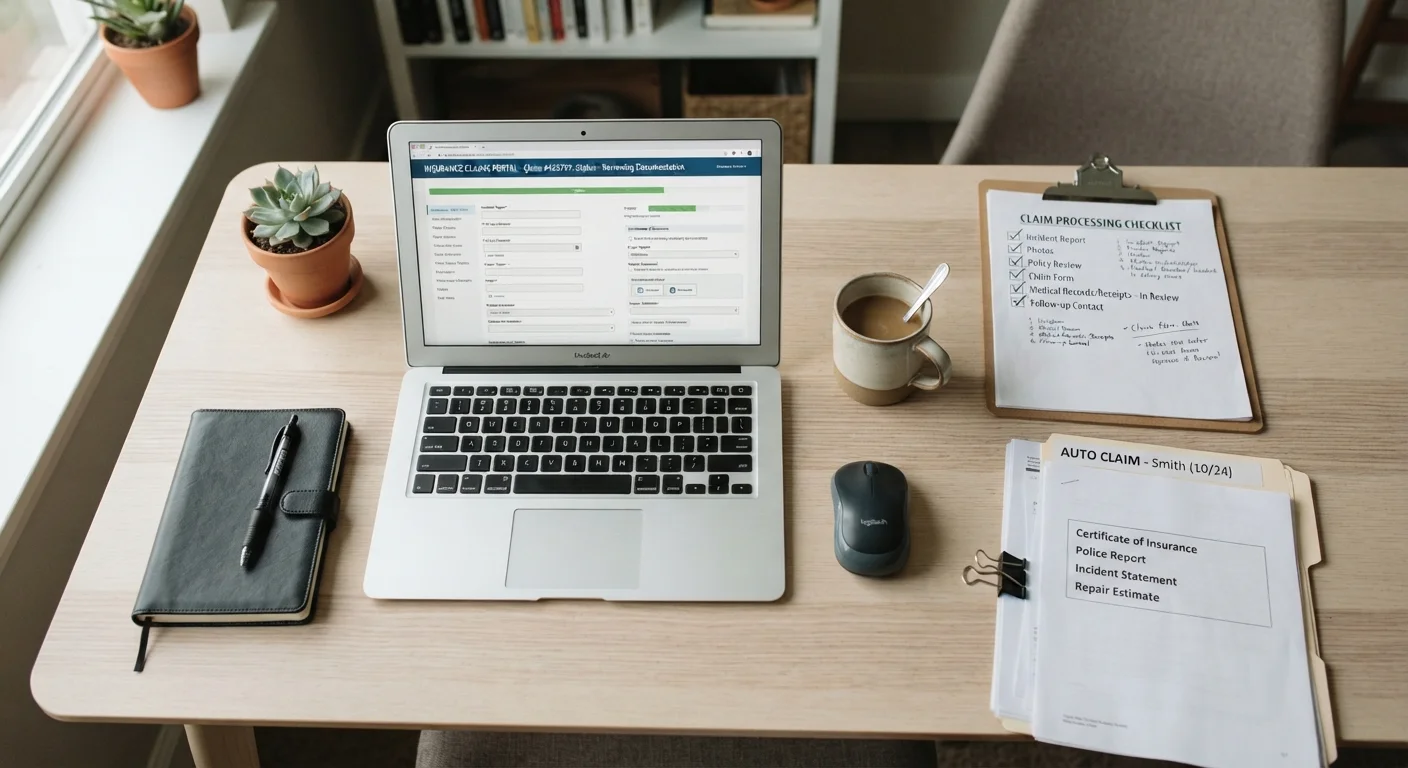
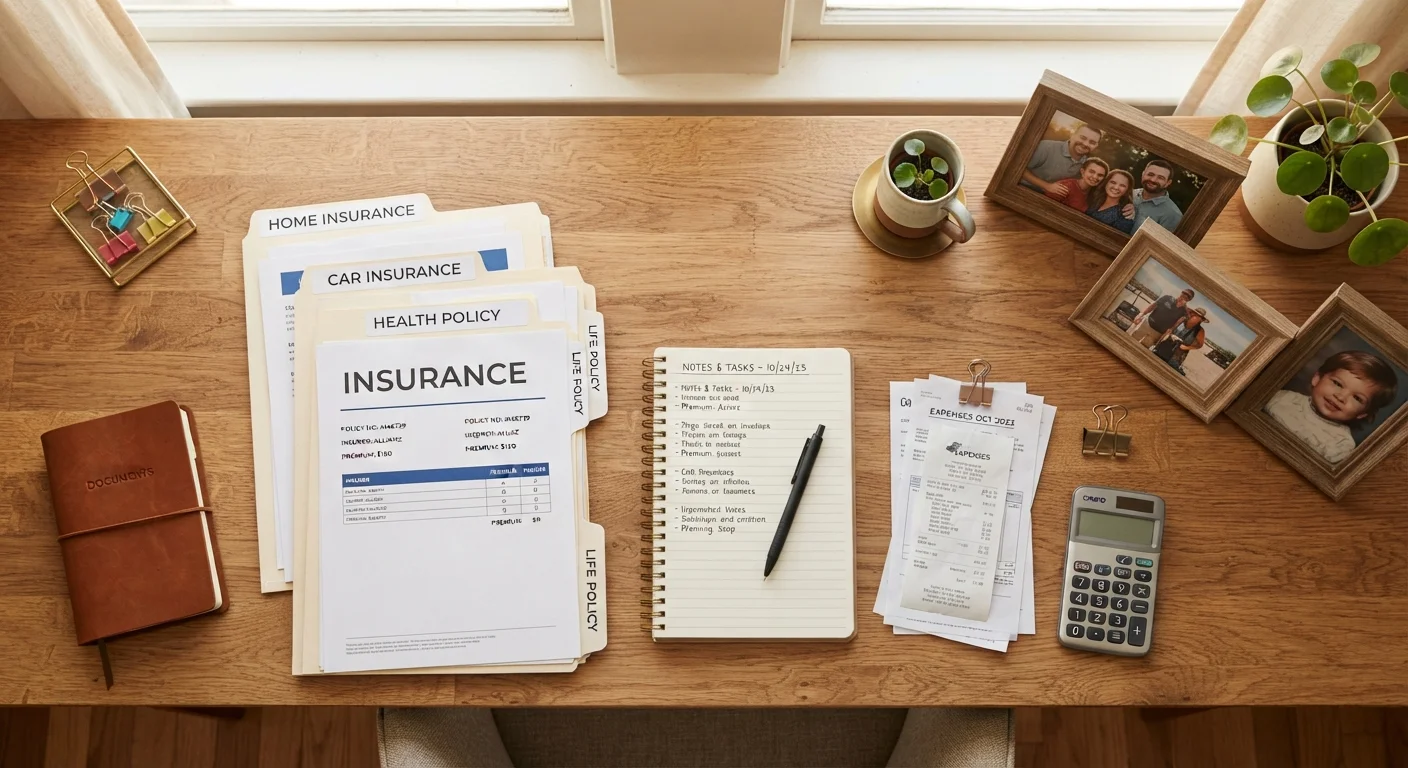
Use the checklist below to systematically gather everything your insurer is likely to request. Work through each group in order — starting with your policy, then the loss itself, then financial proof, and finally your ongoing communications log.
Your Policy Documents
Evidence of the Loss
Proof of Ownership and Value
Repair and Expense Records
Communications Log
Avoid Making Permanent Repairs Too Soon
Emergency fixes to prevent further damage are generally encouraged and reimbursable. However, completing full permanent repairs before your insurer's adjuster has inspected the damage can make it difficult to verify your loss. Hold off on full restoration work until you have written confirmation from your insurer that the inspection is complete or waived.
Once you've organized your documents, you'll be in a much better position to move through the process confidently. For a clear picture of what happens next, see our breakdown of what actually happens after you file.
Tools That Help You Stay Organized
The right tools won't replace good records, but they make gathering and storing them far easier. Here's what's worth having on hand before — and during — the claims process.
Smartphone Camera
Capture timestamped photos and video of damage immediately after a loss — images are automatically date-stamped and easy to share with adjusters.
Cloud Storage Account
Back up photos, scanned documents, and receipts in a secure location that's accessible even if your physical copies are lost in the same event.
Home Inventory App or Spreadsheet
Maintain an ongoing record of possessions, including serial numbers and estimated values, that you can reference immediately when filing.
Document Scanner App
Digitize physical receipts, estimates, and policy paperwork using your phone so everything lives in one searchable place.
Dedicated Claims Folder (physical or digital)
Keep all claim-related documents, correspondence, and notes organized in one place so nothing is misplaced during a stressful process.
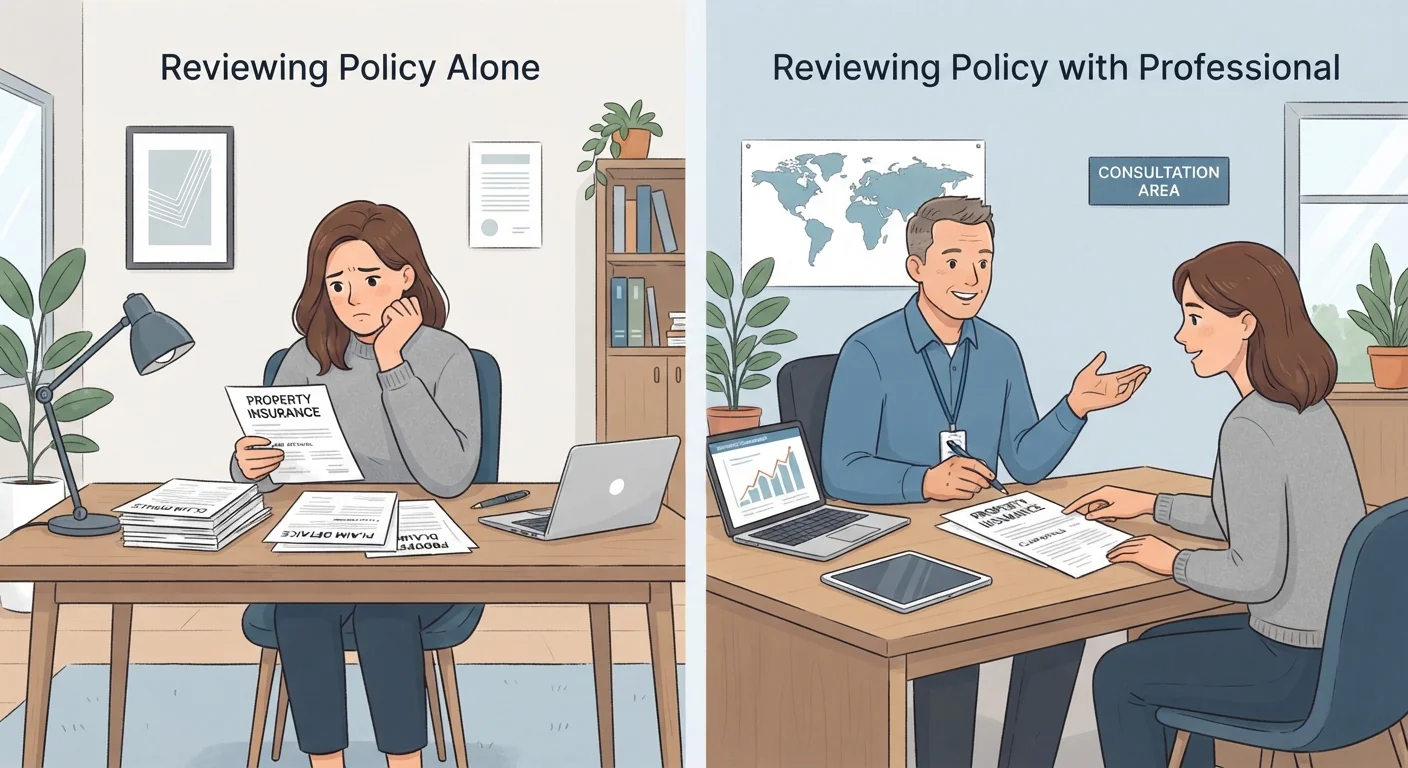
If you're unsure whether to manage the claim yourself or bring in outside help, our comparison of filing on your own versus using a public adjuster lays out the tradeoffs clearly. And once you're in contact with your insurer, knowing what to say — and what to hold back can protect your position throughout the process.
This article is for general informational purposes only and does not constitute personalized insurance, financial, or legal advice. Coverage terms, claim procedures, and documentation requirements vary by insurer and by state. Always read your actual policy documents and consult a licensed insurance professional for guidance specific to your situation.