
Why What You Say Matters More Than You Think
After a loss — a house fire, a car accident, a burst pipe — your insurer will want to hear from you quickly. That first conversation sets the tone for your entire claim. What you say, how you say it, and when you say it can all influence how your claim is evaluated.
This isn't about being dishonest. It's about being prepared and precise. Insurers train their adjusters to gather information efficiently, and a casual off-the-cuff remark can create confusion or inconsistency later. Understanding the basics of how these conversations work puts you in a much stronger position.
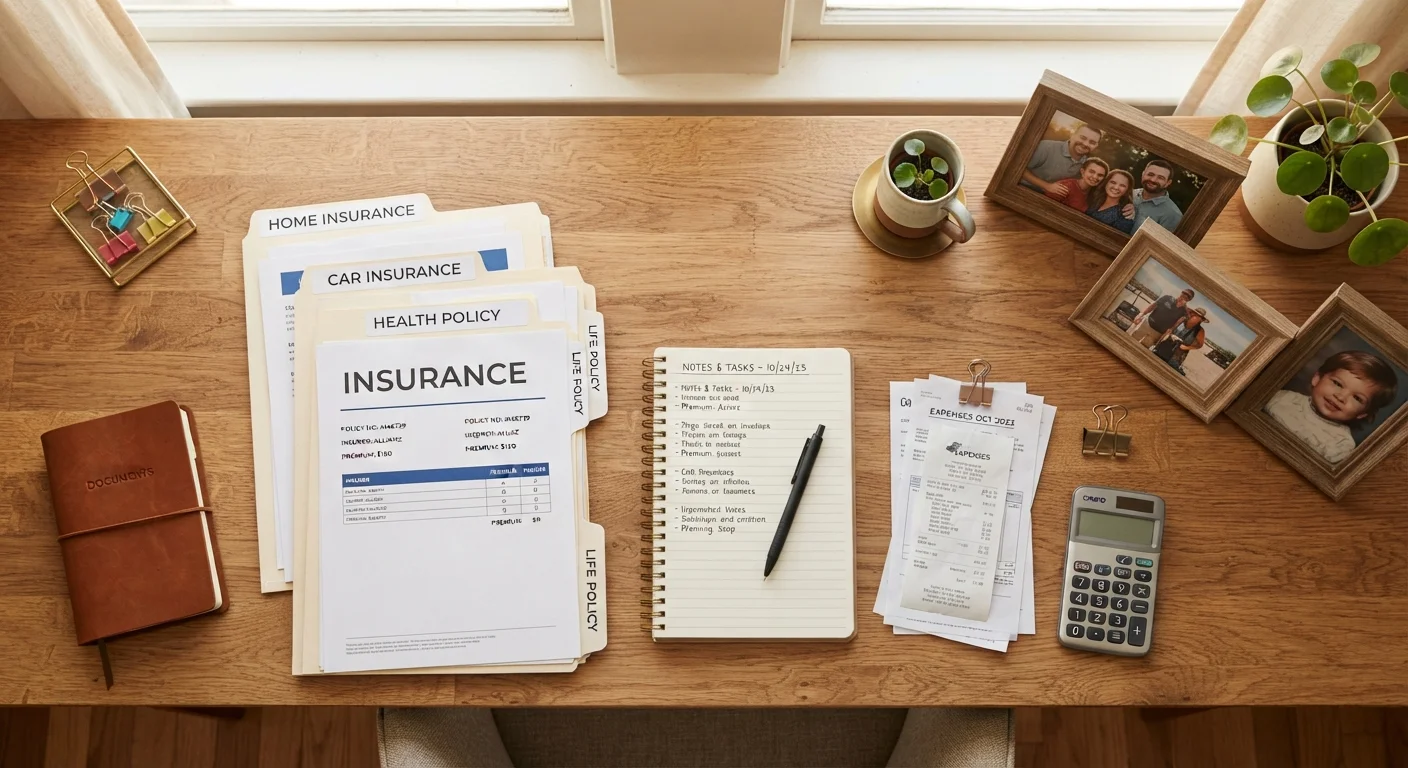
Before any formal communication, it helps to know what documentation you already have. See our guide to gathering documents before filing for a practical checklist.
Understanding Recorded Statements
One of the first things many adjusters ask for is a recorded statement — a formal, documented account of what happened. In many cases, your policy requires you to cooperate with your insurer's investigation, which can include providing a statement. However, that doesn't mean you have to give one the moment you're asked.
Your Right to Prepare Before a Recorded Statement
Most insurers will accommodate a short delay before recording a formal statement, especially if you explain that you want to gather relevant documents first. Refusing to cooperate at all may violate your policy's duties, but asking for a brief, reasonable window is not the same as refusing. If you're unsure of your obligations, review your policy's cooperation clause or speak with a licensed agent.
You are generally allowed to request a reasonable amount of time to review your policy, gather documents, and collect your thoughts before giving a recorded statement. Rushing increases the likelihood of saying something incomplete or inaccurate.
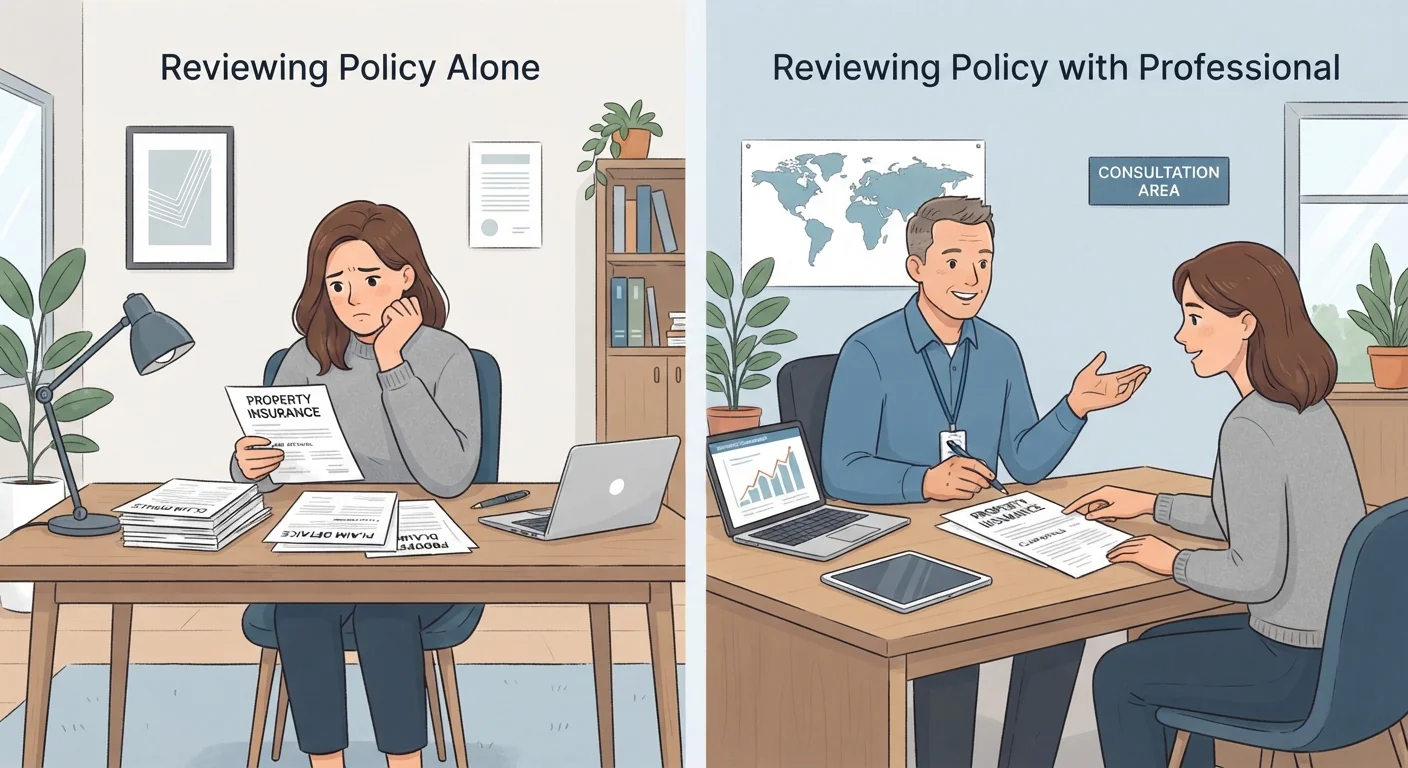
If your claim involves significant damages, an injury, or a dispute about fault, consider consulting a licensed public adjuster or attorney before recording a statement. See our article on filing a claim yourself vs. using a public adjuster to weigh your options.
Best Practices for Communicating With Your Insurer
Following a few key practices can help you communicate clearly and protect the integrity of your claim.
Report only what you know with certainty.
Speculating about causes, damage amounts, or fault — even with good intentions — can create statements that conflict with the physical evidence or adjuster findings later. Inaccuracies, even unintentional ones, give insurers grounds to question your account.
Keep a written log of every conversation with your insurer.
Insurance claims can span weeks or months, involving multiple adjusters and representatives. A dated log of who said what protects you if there are disputes about what was agreed or communicated.
Answer the question asked — nothing more.
Volunteering extra information beyond what's asked is one of the most common ways policyholders inadvertently complicate their claims. Adjuster questions are targeted; your answers should be too.
Request clarification before answering any question you don't fully understand.
Misunderstanding a question and answering incorrectly is just as damaging as providing wrong information intentionally. It's perfectly reasonable to ask an adjuster to rephrase or explain.
Avoid admitting fault or apologizing during early conversations.
Statements like 'I should have checked the pipes sooner' can be interpreted as admissions that affect coverage decisions, particularly in liability claims. Fault determination is the adjuster's job, not yours.
Inconsistent or incomplete statements are one of the most common ways claims run into trouble. For a fuller picture of what can derail a claim, read our article on errors that slow down or derail an insurance claim.
Quick Actions You Can Take Right Now
If you've just experienced a loss and expect to speak with an adjuster soon, these steps can help you get ready.
What Happens After You Provide a Statement
Once your statement is recorded and your claim is filed, the adjuster will typically inspect the damage, review your policy, and issue a coverage determination. The process can take days to weeks depending on the complexity of the loss.
1 in 3
Homeowners who find claims more complex than expected
Insurance industry consumer surveys consistently find that a significant share of policyholders are surprised by the documentation and communication required during the claims process.
30–45 days
Typical claim resolution window for standard property claims
Timelines vary widely by insurer, claim type, and complexity; disputed or large-loss claims can take considerably longer.
Understanding what comes next reduces anxiety and helps you spot delays early. Our article on what actually happens after you file an insurance claim walks through each stage clearly.
If you're unsure whether filing is even the right move given the size of your loss, review our piece on situations where filing a claim may not be the right move before proceeding.
This article is for general informational purposes only and does not constitute legal, financial, or insurance advice. Coverage terms, claim procedures, and your rights may vary by insurer, policy, and state. Always read your actual policy documents and consult a licensed insurance professional for guidance specific to your situation.