What Liability Coverage Is — and What It Isn't
Liability coverage is a foundational component of most personal insurance policies. It steps in when you're held legally responsible for injuring someone or damaging their property. The key distinction: it protects others from the consequences of your actions — not your own belongings or body.
Think of it as a financial buffer between an accident and your personal savings. Without it, a court judgment against you could result in wage garnishment, property liens, or depletion of savings. With it, your insurer handles covered claims up to your policy's limits.
Liability coverage generally falls into two categories:
- Bodily injury liability — covers medical costs, lost income, and pain-and-suffering claims when someone else is hurt due to your actions.
- Property damage liability — covers repair or replacement costs when you damage someone else's property.
Most policies also include coverage for your legal defense, even if the lawsuit turns out to be unfounded. Legal fees alone can be substantial, making this feature especially valuable.
Liability Doesn't Cover Your Own Losses
A common point of confusion is that liability coverage pays for harm you cause to others — not injuries to yourself or damage to your own property. For those losses, you'd need separate coverage such as collision insurance, medical payments coverage, or a health insurance policy. Understanding this distinction helps you avoid gaps in your overall protection.
Where Liability Coverage Shows Up
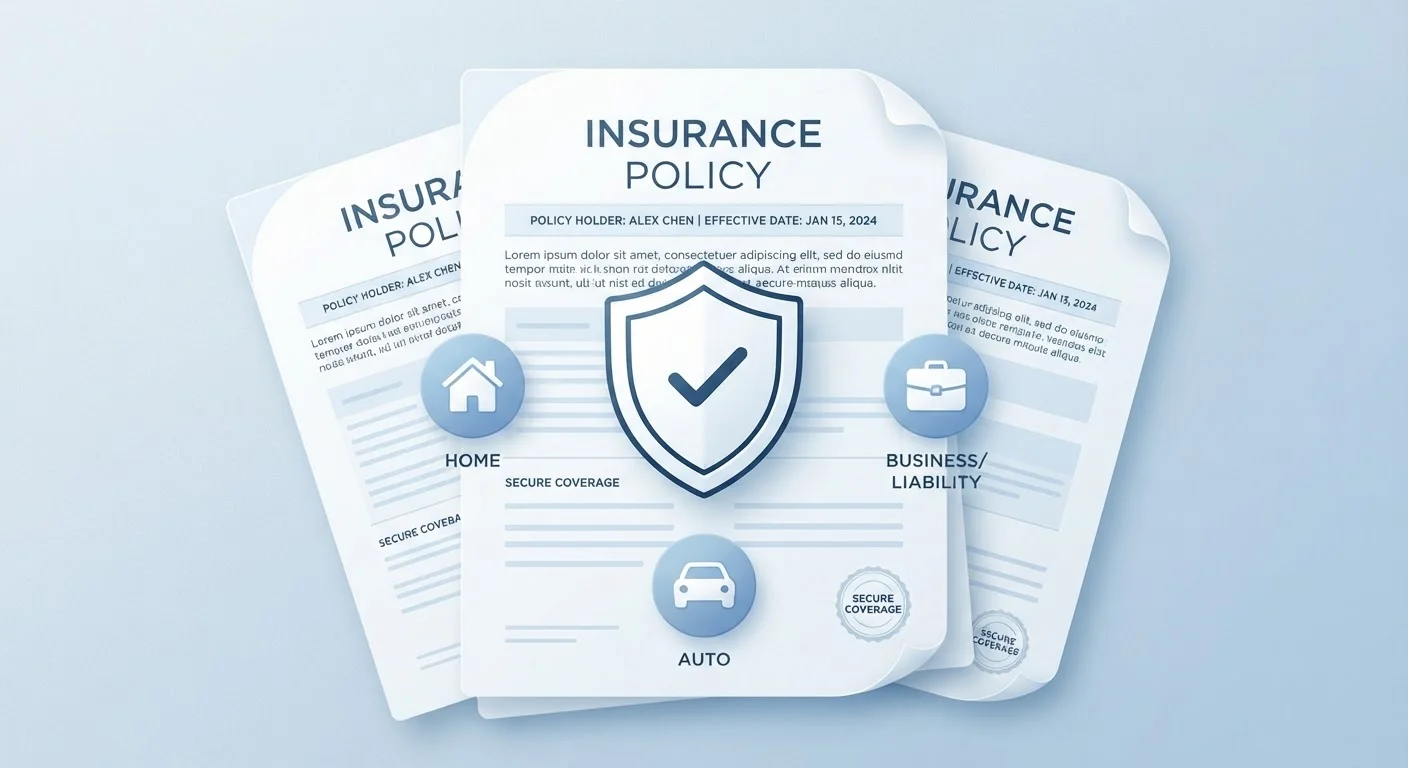
Liability isn't limited to one type of insurance. It appears across several common policy types that everyday Americans are likely to carry:
- Auto insurance — Required in nearly every state, auto liability covers injuries and property damage you cause to others in a crash. See how each auto coverage type works for a complete breakdown.
- Homeowners insurance — Personal liability coverage protects you if a guest is injured on your property or if you accidentally damage a neighbor's property. Renters insurance includes a similar provision.
- Business insurance — General liability policies protect businesses from claims involving customer injuries, property damage, and some advertising-related disputes.
For a broader look at how liability fits alongside other coverage categories, see our guide to the major types of insurance Americans actually need.
Coverage Limits and Why They Matter
Every liability policy has a limit — the maximum your insurer will pay on a covered claim. If damages exceed that limit, you're personally responsible for the rest. This is why choosing limits based only on state minimums can be risky.
Auto policies often use a split-limit structure, such as $50,000 per person / $100,000 per accident / $50,000 property damage. Homeowners policies typically offer a single combined limit, commonly starting around $100,000.
49 of 50
U.S. states requiring auto liability insurance
New Hampshire is the only state that does not mandate auto liability insurance, though drivers there must still prove financial responsibility if involved in an accident.
$100,000
Typical starting homeowners liability limit
Many homeowners policies begin at $100,000 in personal liability coverage, though insurance professionals often recommend higher limits for households with significant assets.
~$300
Estimated average annual umbrella policy cost
According to the Insurance Information Institute, a personal umbrella policy providing $1 million in additional liability coverage typically costs a few hundred dollars per year.
When your standard policy limits feel insufficient — especially if you have significant assets or income — an umbrella policy can add a meaningful layer of protection. Learn how umbrella insurance extends liability beyond standard policies.
It's also worth understanding how your policy is structured. The difference between occurrence and claims-made policies can significantly affect when and how a claim is covered.
Finally, watch out for common misunderstandings. The misconceptions that cost policyholders money often involve liability — including assumptions about what's automatically covered.
This article is for general informational purposes only and does not constitute insurance, legal, or financial advice. Coverage terms, limits, and requirements vary by policy and state. Consult a licensed insurance agent or adviser for guidance specific to your situation.