
The Gap Between Missing a Payment and Losing Coverage
Life gets busy. Automatic payments fail. Bank accounts run short. Whatever the reason, missing an insurance premium doesn't automatically strip you of coverage the same day — and that's by design.
Insurers build grace periods into policies to give policyholders a short runway to catch up on a missed payment before coverage actually ends. Understanding how that runway works — and what happens when you miss it — can save you from being uninsured at exactly the wrong moment.
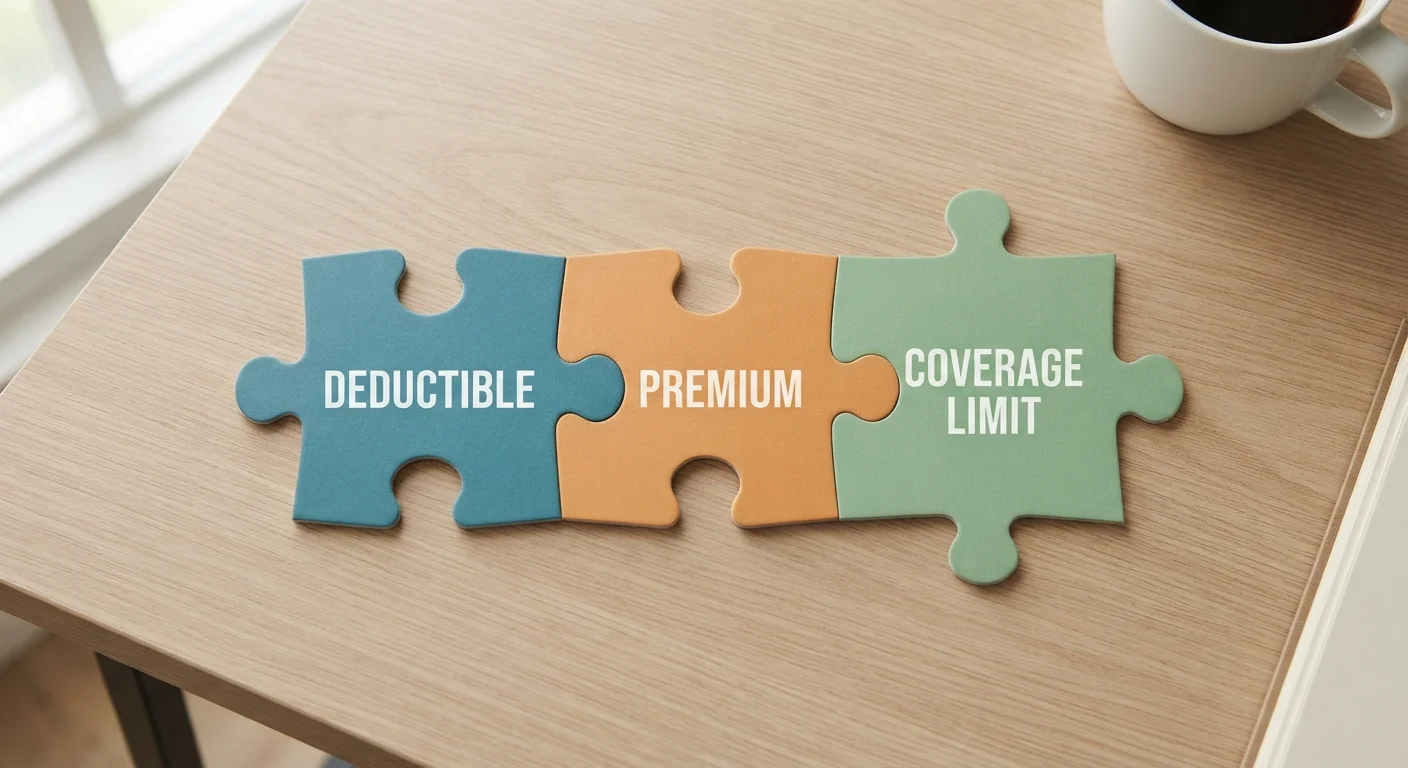
To understand grace periods fully, it helps to first understand how premiums fit into the overall structure of a policy. The relationship between premiums, deductibles, and coverage limits shapes every insurance policy you hold.
30 days
Minimum grace period for life insurance in most states
State insurance regulations across the U.S. commonly mandate at least a 30-day grace period for life insurance policies, though individual contracts may offer more.
~1 in 8
U.S. drivers estimated to be uninsured at any given time
The Insurance Research Council has estimated that roughly 12–14% of U.S. drivers lack auto insurance, a population that includes those whose policies have lapsed.
How Grace Periods Work in Practice
A grace period is a defined stretch of time — written into your policy or mandated by state law — during which your coverage stays active even though a payment is overdue. The length varies:
- Life insurance: State laws in most of the U.S. require at least a 30-day grace period.
- Health insurance: Marketplace plans typically offer a 30-day grace period for non-subsidized enrollees; those receiving premium tax credits may have up to 90 days, though coverage protections during that extended window are more complex.
- Auto and homeowners insurance: Grace periods often run 10 to 30 days, though this varies significantly by insurer and state.
During the grace period, your coverage generally remains in force. A claim that occurs during this window is typically still payable — though the insurer may subtract the overdue premium from the claim settlement. The moment the grace period expires without payment, however, your policy lapses.
Set a Payment Alert Before the Due Date
Don't rely on the grace period as a planning tool — it's a safety net, not a built-in extension. Set a calendar reminder or banking alert a few days before each premium due date. If a payment fails, you'll know in time to fix it without touching your grace period at all.
What a Lapse Actually Means
A lapse is the formal cancellation of your policy due to non-payment. Once a policy lapses, you have no active coverage. Any loss or claim that happens after the lapse date falls outside your policy's protection.
Beyond the immediate loss of coverage, lapses carry downstream consequences. For auto insurance, even a brief gap in coverage is visible to future insurers and is a common trigger for higher premiums when you reapply. For life insurance, a lapse could mean losing a policy you obtained when you were younger and healthier — and qualifying for the same coverage later may cost significantly more.
It's also worth noting that a lapse is different from an intentional policy cancellation. If you cancel a policy yourself, you may be entitled to a prorated refund of prepaid premiums. A lapse for non-payment typically does not come with a refund. This is one of the misunderstandings policyholders commonly have about their own coverage.
Reinstatement: Getting Your Policy Back
Reinstatement is the process of restoring a lapsed policy to active status. Most insurers allow reinstatement, but they set the terms — and those terms can vary considerably.
Common reinstatement requirements include:
- Paying all overdue premiums, sometimes with interest or late fees
- Submitting a reinstatement application
- Providing a statement of good health or, for life insurance, completing a new medical underwriting review
There is also a time limit. Insurers typically allow reinstatement within a set window — which can range from a few months for some property policies to up to five years for certain life insurance contracts. After that window closes, reinstatement is no longer an option and a new application is required.
For many policyholders, reinstating is preferable to starting over. An existing life insurance policy, for instance, may carry a premium rate that reflects your health status at the time you first applied — something that can be difficult or costly to replicate. That said, always review what reinstatement will cost and what conditions apply before committing. A licensed insurance agent can help you weigh the options for your specific situation.
Protecting Yourself Before a Lapse Happens
The simplest way to avoid a lapse is to set up automatic payments — most insurers offer this option and some provide a small discount for it. If automatic payments aren't viable, calendar reminders set a few days before each due date give you time to act before the grace period even begins.
If you're facing a financial hardship and genuinely can't make a payment, contact your insurer directly before the due date. Some insurers will agree to a short payment extension or a modified plan, particularly if you have a good payment history. This won't always be possible, but asking costs nothing and may buy you critical time.
It's also worth understanding what gaps can exist in your coverage even when your policy is active. Standard policies leave out more losses than most people expect — a paid-up policy still has exclusions worth understanding. And if your primary coverage has limitations, supplemental insurance options may help fill those gaps.
This article is for general informational purposes only and does not constitute personalized insurance, legal, or financial advice. Coverage terms, grace periods, and reinstatement rules vary by insurer, policy type, and state. Always read your actual policy documents and consult a licensed insurance professional for guidance specific to your situation.