
The Three Levers Every Policy Uses
Every insurance policy — whether it covers your car, your home, your health, or your life — is built around the same three financial variables: the premium, the deductible, and the coverage limit. Understanding how these three elements interact is more useful than memorizing any one definition in isolation.
If you are new to insurance terminology, this plain-language starting point walks through foundational terms before you dive into how they work together.
Think of these three elements as a triangle. Move one corner and the other two shift in response. Insurers design policies this way deliberately — each variable is priced relative to the others, not independently.
~40%
Americans who are underinsured on home coverage
Industry research consistently finds a significant share of homeowners carry dwelling coverage below full replacement cost, leaving them exposed when major losses occur.
$1,500+
Typical annual deductible on high-deductible health plans
The IRS sets minimum deductible thresholds for plans to qualify as HDHPs; for 2024, the minimum is $1,600 for self-only coverage.
2–3x
Premium difference between low and high deductible policies
Across auto and home insurance, choosing a significantly higher deductible commonly reduces premiums by a meaningful margin, though exact amounts vary by insurer and risk profile.
What Each Term Actually Does
Premium: This is the amount you pay — usually monthly or annually — to keep your policy active. Paying your premium does not mean your insurer will automatically pay a claim. It simply maintains your coverage eligibility. If you stop paying, your policy lapses and you lose protection.
Deductible: This is the amount you pay out of pocket before your insurer contributes to a covered loss. If you have a $1,000 deductible and file a $4,000 claim, you pay $1,000 and your insurer pays $3,000. How your deductible applies at claim time is more nuanced than it looks — especially in health insurance, where coinsurance and out-of-pocket maximums also come into play.
Coverage limit: This is the ceiling on what your insurer will pay for a loss. If your damages exceed that ceiling, the remaining balance is your responsibility. Policy limits and coverage limits are sometimes used interchangeably, but can differ depending on how your policy is structured.
Match Your Deductible to Your Savings
A simple rule of thumb: your deductible should never exceed what you could comfortably pay from savings within 30 days. If a covered loss occurred tomorrow, you would need that amount available before your insurer contributes. Setting a deductible above your realistic cash cushion creates a gap that defeats the purpose of having coverage.
How the Three Elements Work as a System
The relationship between these three variables is where most policyholders get tripped up. Here is the core dynamic:
- Higher deductible → lower premium. When you agree to absorb more of the initial loss yourself, the insurer charges you less each month because their financial exposure is lower.
- Lower deductible → higher premium. The insurer takes on more risk earlier, so your monthly cost increases.
- Higher coverage limit → higher premium. A larger ceiling means the insurer could owe more in a worst-case claim, so they price that risk into your premium.
None of these adjustments is inherently good or bad — the right combination depends on your financial situation, your assets, and the realistic risks you face. For a deeper look at how coverage types interact with these costs, see our overview of what health insurance actually covers and what it doesn't.
Common Mistakes to Avoid
Most coverage gaps come from treating these three variables as separate decisions rather than one connected choice.
Underinsuring to save on premiums. Choosing a very low coverage limit to reduce monthly costs can leave you personally liable for damages that exceed what your insurer will pay. This is especially risky in home and auto policies, where repair and liability costs can be substantial.
Setting a deductible you cannot actually afford. A $5,000 deductible lowers your premium, but if a claim arises and you cannot cover that amount, you are in a difficult position. Your deductible should reflect what you can realistically pay from savings on short notice.
Focusing only on premium when comparing policies. Two policies with identical premiums may have very different deductibles and coverage limits. Comparing deductibles, premiums, and copays side by side gives you a clearer picture of what each policy is actually offering.
Coverage Limits Vary by Coverage Type
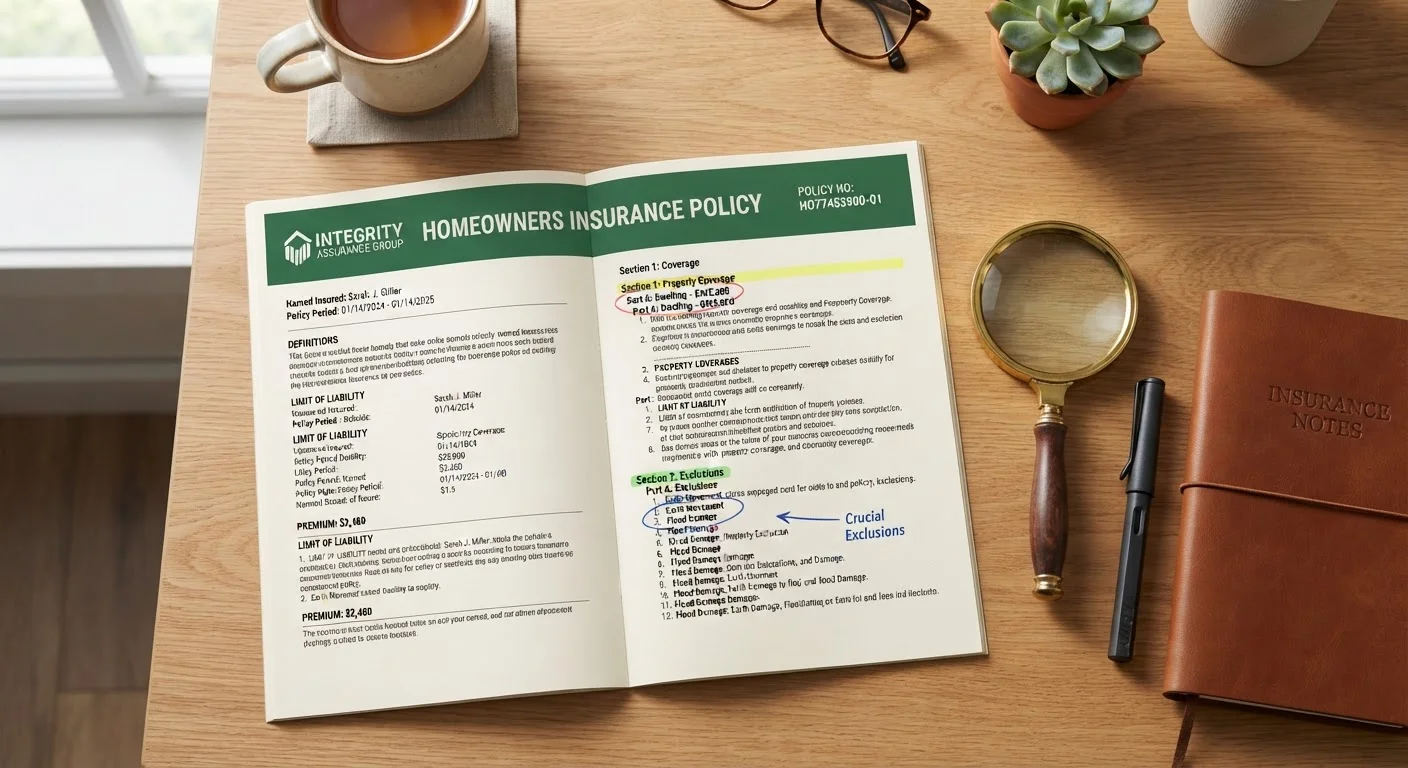
Many policies contain multiple sub-limits, not just one overall ceiling. A homeowners policy may have separate limits for personal property, liability, and additional living expenses. Reviewing each sub-limit — not just the headline number — gives you a more accurate picture of your actual protection. Ask your insurer or agent to walk through every applicable limit before you finalize your coverage selections.
This article is for general informational purposes only and does not constitute personalized insurance, financial, or legal advice. Coverage terms, limits, and costs vary by insurer, policy, and state. Always read your full policy documents and consult a licensed insurance professional for guidance specific to your situation.