
Why the Confusion Exists
Insurance policies aren't written for casual reading. Terms like policy limit and coverage limit appear throughout your documents, often without clear distinction — and some insurers use them interchangeably, which adds to the confusion.
In practice, though, they usually refer to different things. Mixing them up can lead policyholders to overestimate how much protection they actually have. As part of the broader challenge of things policyholders get wrong about their own coverage, this is one of the most common misreads.
When Insurers Use the Terms Interchangeably
Some insurers and agents use 'policy limit' and 'coverage limit' as if they mean the same thing — and in some simple, single-coverage policies, they effectively do. The distinction matters most in policies with multiple coverage categories, such as homeowners or commercial policies. When in doubt, ask your insurer to clarify which specific limit applies to a given type of loss.
Defining Each Term
A policy limit is the broadest cap your insurer sets — the maximum total amount it will pay under your policy for a claim or within a coverage period. Think of it as the outer boundary of the insurer's financial commitment.
A coverage limit — sometimes called a sub-limit — is a smaller cap that applies to a specific type of loss or a defined category within the policy. It sits inside the policy limit, not outside it.
Here's a simple way to picture it: if your homeowners policy has a $300,000 policy limit, that's the most the insurer will pay in total. But within that policy, your personal property coverage might carry a $75,000 coverage limit — and your jewelry might be capped at $1,500. The policy limit doesn't override those smaller limits.
| Criterion | Policy Limit | Coverage Limit |
|---|---|---|
| Scope | Entire policy or claim event | One coverage category or loss type |
| Position in policy | Outer boundary | Sub-limit within the outer boundary |
| Where to find it | Declarations page, top-level summary | Coverage sections, endorsements, fine print |
| Controls your payout? | Only if no narrower limit applies | Yes, for that specific type of loss |
| Common examples | Total liability cap, aggregate limit | Jewelry sub-limit, water backup limit |
Understanding how these limits layer together is essential to how deductibles, premiums, and coverage limits work together.
Where This Distinction Shows Up in Real Policies
The gap between a policy limit and a coverage limit becomes most visible at claim time. Consider a few common scenarios:
- Auto insurance: A liability policy might carry a $100,000 per-accident limit (policy limit) but a $50,000 per-person bodily injury limit (coverage limit). If two people are injured, you can't double the per-person limit just because the overall cap is higher.
- Homeowners insurance: A policy limit of $500,000 sounds robust — until you learn that water backup damage has a separate coverage limit of $10,000. That sub-limit governs the claim, not the bigger number.
- Health insurance: Some policies have a lifetime maximum benefit (a form of policy limit) but also impose per-service or per-category limits on things like mental health visits or durable medical equipment.
This is also connected to what counts as a covered peril — even if a loss is covered, a narrow coverage limit can cap how much you recover.
1 in 3
Homeowners who underestimate their coverage gaps
Industry surveys consistently find that a significant share of policyholders believe they have more coverage than their policy actually provides, often due to misreading sub-limits.
Sub-limits
Most common source of claim shortfalls
Insurance consumer advocates frequently cite coverage sub-limits — not denied claims — as the primary reason policyholders receive less than they expected after a covered loss.
How to Find Both Limits in Your Policy
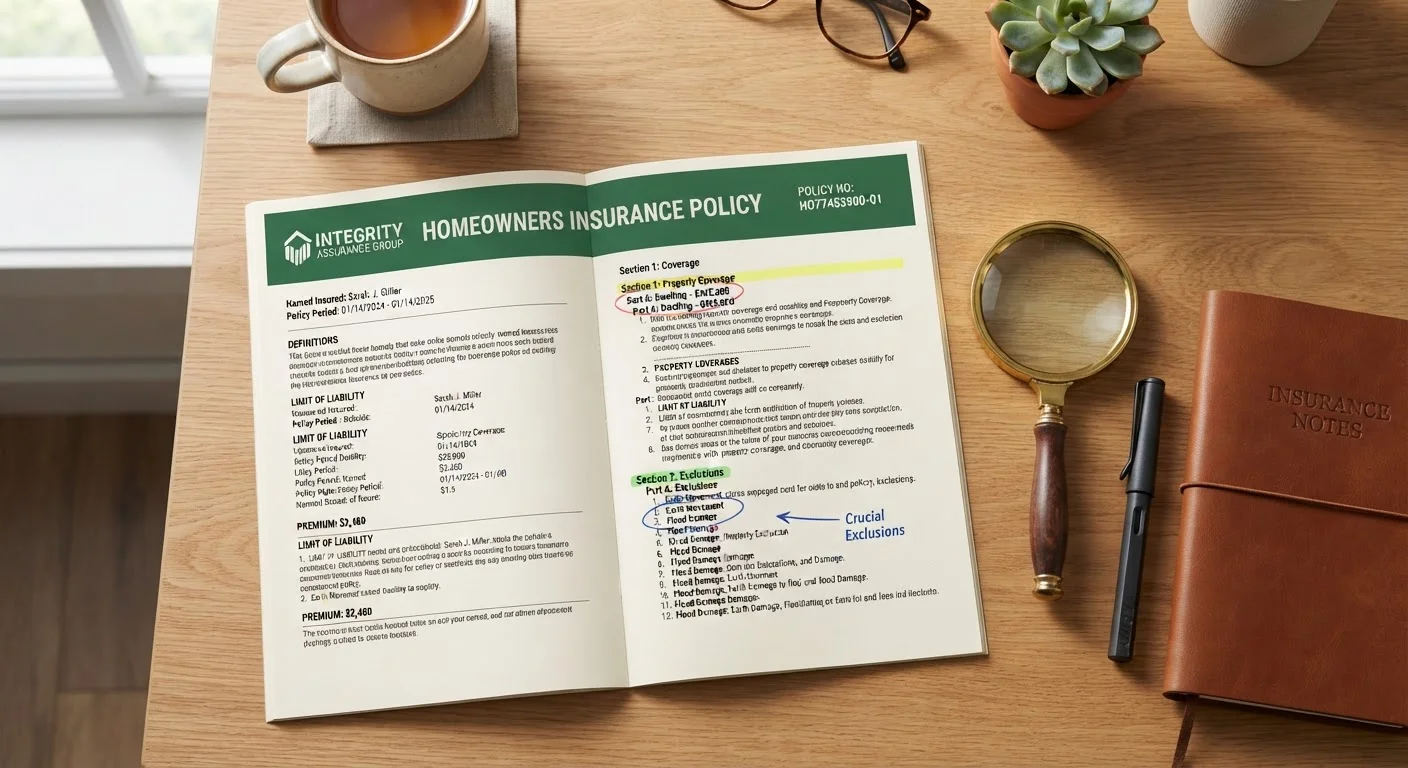
Start with your declarations page — the summary sheet at the front of your policy. It typically lists your major coverage categories with their corresponding limits. This page will often show both the overall policy limit and major coverage limits side by side.
Then read the policy's coverage sections for sub-limits buried in the fine print. Common places to look include sections labeled Special Limits of Liability, Coverage Extensions, or Endorsements. Exclusions and sub-limits often live near each other in the document.
If the language is unclear, a licensed insurance agent or broker can walk you through your declarations page and explain what each number actually controls. This article provides general educational information and is not a substitute for professional advice tailored to your situation.
For a fuller picture of how your limits fit into the overall cost structure of your policy, see deductibles, premiums, and copays explained.
This article is for general informational purposes only and does not constitute insurance, legal, or financial advice. Coverage terms, limits, and conditions vary by insurer, policy type, and state. Always read your actual policy documents and consult a licensed insurance professional for guidance specific to your situation.