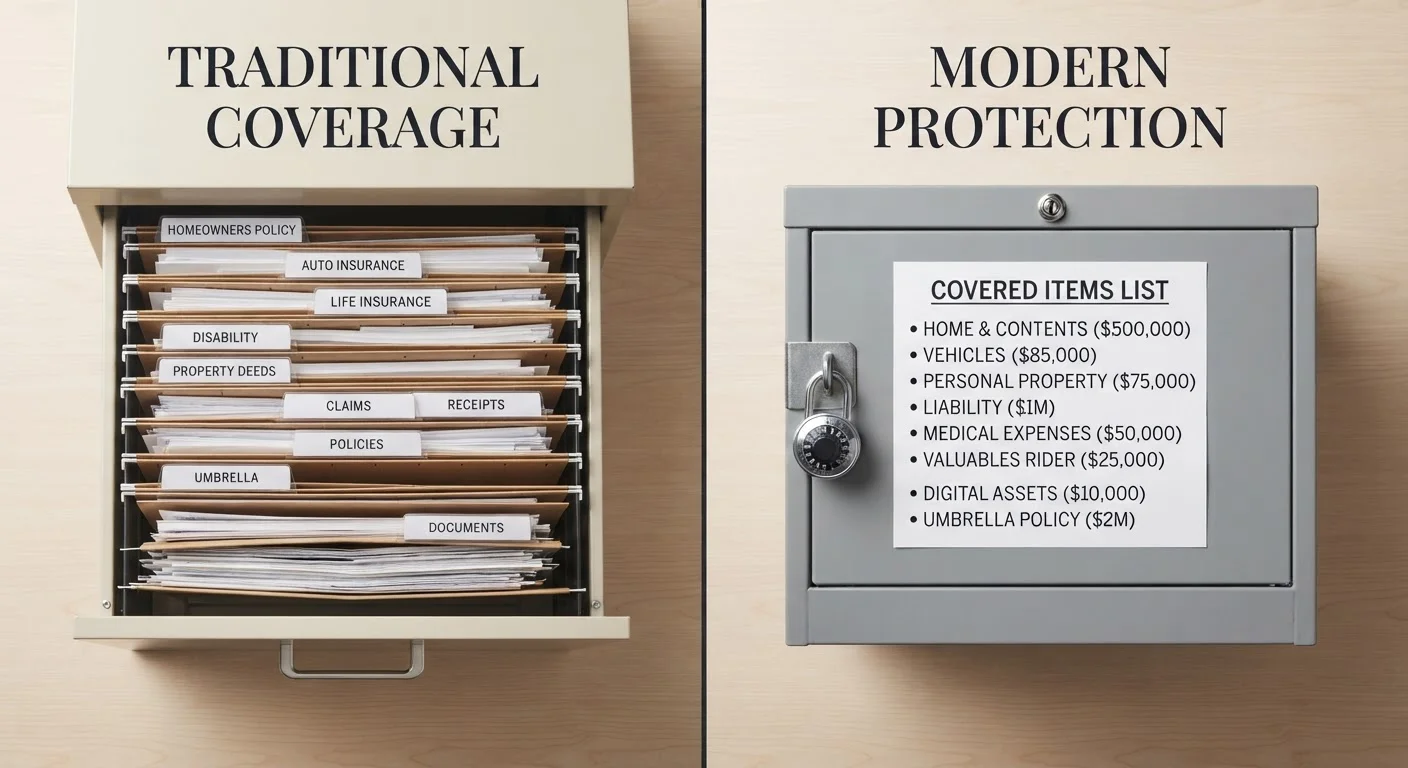
Why the Cause of Loss Is the Starting Point for Every Claim
When something goes wrong — a tree falls on your roof, your car is stolen, a burst pipe floods your basement — your first instinct is to call your insurer. But the question your insurer will ask first is simple: what caused this? That question matters because insurance policies don't cover losses in general. They cover losses caused by specific, recognized events called perils.
A peril is simply a cause of loss. Fire is a peril. Theft is a peril. A windstorm is a peril. A covered peril is one that your particular policy has agreed to pay for. The moment a loss occurs, the cause is measured against that list — or against the policy's exclusions, depending on how your policy is structured. If the cause matches, coverage applies. If it doesn't, a claim is likely to be denied regardless of how severe or costly the damage is.
This distinction shapes every claim because it determines whether the insurer is obligated to pay at all. Understanding it is foundational to understanding what protection you actually have. For a broader look at how coverage terms work together, see how deductibles, premiums, and coverage limits interact.
The Cause, Not the Damage, Drives the Decision
Insurers evaluate claims based on what caused the loss, not how bad the damage is. Two identical floods in two neighboring homes could result in completely different outcomes if one homeowner carries flood insurance and the other does not. The severity of damage is relevant to the payout amount — but the cause determines whether a payout happens at all.
Named Perils vs. Open Perils: Two Ways Policies Define What's Covered
Insurance policies use one of two approaches to define covered perils, and which approach your policy uses changes your coverage significantly.
Named-peril policies list every cause of loss the policy will pay for. Common examples include fire, lightning, windstorm, hail, theft, and vandalism. If the cause of your loss isn't on that list, coverage doesn't apply — even if the damage is extensive. The burden falls on you to show that a listed peril caused the loss.
Open-peril policies (sometimes called all-risk policies) work in reverse. They cover any cause of loss unless it is specifically excluded. Common exclusions in open-peril policies include flooding, earthquakes, intentional damage, and wear and tear. The burden shifts: the insurer must point to an exclusion to deny a claim.
Most standard homeowners policies offer open-peril coverage on the structure and named-peril coverage on personal belongings — meaning the two approaches can coexist in a single document. Named perils vs. open perils explains each structure in greater depth.
~40%
Small businesses without adequate property coverage
Industry estimates suggest a significant share of small businesses are underinsured, often because owners assume more perils are covered than their policies actually list.
1 in 4
Homeowners who mistakenly believe flood is covered
Consumer surveys have consistently found that a substantial portion of homeowners incorrectly assume standard policies cover flood damage, a commonly excluded peril.
Exclusions: The Other Half of the Coverage Picture
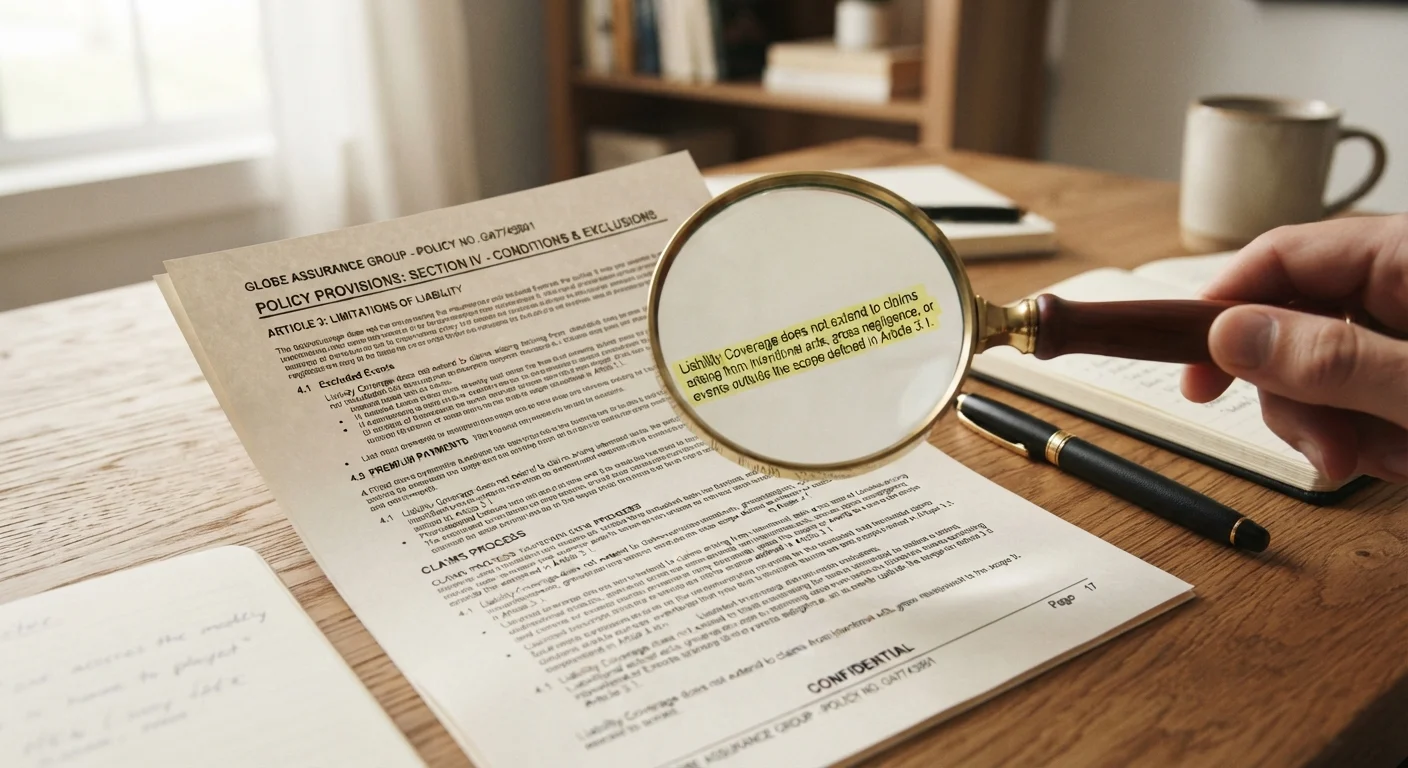
Covered perils don't exist in isolation. Every policy also contains a list of exclusions — causes of loss the insurer will not pay for, no matter what. Exclusions are just as important to read as the coverage sections, because they define the outer boundary of your protection.
Some exclusions are nearly universal across standard policies: flooding, earthquake, normal wear and tear, intentional acts, and government seizure. Others vary by insurer, policy type, or state. A loss that looks covered at first glance may be denied because of an exclusion buried several pages into the policy document.
This is why reviewing your policy before a loss — not after — is so important. Common gaps in standard coverage offers a practical look at which losses catch policyholders off guard most often.
How Endorsements Can Expand Your Covered Perils
If a standard policy doesn't cover a peril you're concerned about, you may have options. An endorsement (also called a rider) is an amendment that can be added to a policy to extend, restrict, or modify coverage. Earthquake coverage, water backup coverage, and scheduled personal property coverage are common examples of perils that can be added via endorsement when they aren't included in a base policy.
Endorsements typically come at an additional premium cost and are subject to their own terms and conditions. Not every peril can be added to every policy — availability depends on the insurer, the property, and the state.
For a concise reference on how covered perils, exclusions, and endorsements fit together, see covered perils, exclusions, and endorsements explained.
Read Your Policy's Perils Section Before You Need It
Don't wait until after a loss to find out what your policy covers. Locate the perils or coverage section and the exclusions section in your policy document and read both carefully. If you're uncertain about specific language, a licensed insurance agent can explain what it means in plain terms — and whether an endorsement might fill a gap you've identified.
This article is for general informational purposes only and does not constitute insurance, legal, or financial advice. Coverage terms, exclusions, and availability vary by policy and provider. Consult a licensed insurance agent or adviser for guidance specific to your situation, and always read your policy documents carefully.